IBOV 185,229.17 ▼ 0.41% IPSA 11,381.18 ▲ 1.30% IPC MEX 63,706.89 ▼ 0.26% MERVAL 3,021,926 ▼ 1.29% COLCAP 2,548.22 ▲ 1.05% BVL PERÚ 60,023.65 ▼ 1.13% USD/BRL5.14▲ 0.26% USD/MXN17.22▲ 0.30% USD/CLP959.00▼ 0.31% USD/COP3,175▲ 1.37% USD/PEN3.37▼ 0.10% USD/ARS1,514▲ 0.26% USD/UYU40.16▲ 2.90% USD/PYG5,906▲ 2.95% USD/BOB9.95▼ 6.56% USD/DOP58.83▲ 0.22% USD/CRC444.45▲ 2.49% USD/GTQ7.63▲ 3.03% USD/HNL26.85▲ 0.38% USD/NIO36.62▲ 2.64% USD/VES846.42▼ 0.13% USD/PAB1.00— 0.00% USD/BZD2.00— 0.00% USD/JMD 157.28 — 0.00% USD/TTD6.75▲ 2.57% EUR/BRL5.91▲ 0.04% BRENT 88.88 ▼ 0.03% WTI 83.11 ▼ 0.11% IRON ORE 161.91 — — COPPER 6.61 ▲ 0.03% GOLD 4,461 ▲ 1.78% SILVER 65.59 ▲ 1.26% SOY 1,184 ▲ 3.20% CORN 480.50 ▲ 10.02% WHEAT 655.00 ▲ 3.93% COFFEE 317.25 ▼ 5.51% SUGAR 16.43 ▼ 1.79% ORANGE JUICE 138.55 ▼ 0.47% COTTON 85.03 ▲ 2.33% COCOA 5,719 ▲ 3.18% BEEF 223.60 ▼ 3.93% CATTLE 339.10 ▼ 3.16% LITHIUM 75.20 ▲ 1.47% PETR4 41.64 ▼ 0.05% VALE3 72.97 ▲ 0.83% ITUB4 38.60 ▼ 1.03% BBDC4 16.85 ▲ 0.36% ABEV3 14.89 ▼ 0.80% BBAS3 19.37 ▲ 0.47% B3SA3 14.26 ▼ 0.21% WEGE3 47.59 ▲ 0.49% PRIO3 59.14 ▼ 0.19% SUZB3 41.33 ▲ 2.35% RENT3 34.68 ▼ 0.09% AZZA3 15.89 ▼ 2.63% CSAN3 3.22 ▼ 1.83% RAIZ4 0.25 — 0.00% PCAR3 2.75 ▼ 0.36% GMAT3 3.65 ▼ 1.08% PSSA3 48.13 ▼ 0.54% CVCB3 1.33 ▼ 2.92% POSI3 3.36 ▲ 2.44% SLCE3 13.34 ▲ 0.30% NATU3 8.14 ▼ 0.73% IBOV 185,229.17 ▼ 0.41% IPSA 11,381.18 ▲ 1.30% IPC MEX 63,706.89 ▼ 0.26% MERVAL 3,021,926 ▼ 1.29% COLCAP 2,548.22 ▲ 1.05% BVL PERÚ 60,023.65 ▼ 1.13% USD/BRL 5.16 ▲ 0.01% USD/MXN 17.06 ▼ 0.24% USD/CLP 913.98 ▲ 0.04% USD/COP 3,140 ▲ 0.03% USD/PEN 3.36 ▼ 0.66% USD/ARS 1,493 ▲ 0.10% USD/UYU 40.27 ▲ 1.24% USD/PYG 5,939 ▲ 1.68% USD/BOB 11.64 ▼ 0.76% USD/DOP 58.34 ▲ 1.25% USD/CRC 445.92 ▲ 0.89% USD/GTQ 7.62 ▲ 2.21% USD/HNL 26.79 ▲ 1.57% USD/NIO 36.62 ▲ 0.69% USD/VES 762.44 ▼ 0.13% USD/PAB 1.00 — 0.00% USD/BZD 2.00 — 0.00% USD/JMD 157.28 — 0.00% USD/TTD 6.70 ▲ 0.61% EUR/BRL 5.95 ▲ 1.01% BRENT 88.88 ▼ 0.03% WTI 83.11 ▼ 0.11% IRON ORE 161.91 — — COPPER 6.61 ▲ 0.03% GOLD 4,461 ▲ 1.78% SILVER 65.59 ▲ 1.26% SOY 1,184 ▲ 3.20% CORN 480.50 ▲ 10.02% WHEAT 655.00 ▲ 3.93% COFFEE 317.25 ▼ 5.51% SUGAR 16.43 ▼ 1.79% ORANGE JUICE 138.55 ▼ 0.47% COTTON 85.03 ▲ 2.33% COCOA 5,719 ▲ 3.18% BEEF 223.60 ▼ 3.93% CATTLE 339.10 ▼ 3.16% LITHIUM 75.20 ▲ 1.47% PETR4 41.64 ▼ 0.05% VALE3 72.97 ▲ 0.83% ITUB4 38.60 ▼ 1.03% BBDC4 16.85 ▲ 0.36% ABEV3 14.89 ▼ 0.80% BBAS3 19.37 ▲ 0.47% B3SA3 14.26 ▼ 0.21% WEGE3 47.59 ▲ 0.49% PRIO3 59.14 ▼ 0.19% SUZB3 41.33 ▲ 2.35% RENT3 34.68 ▼ 0.09% AZZA3 15.89 ▼ 2.63% CSAN3 3.22 ▼ 1.83% RAIZ4 0.25 — 0.00% PCAR3 2.75 ▼ 0.36% GMAT3 3.65 ▼ 1.08% PSSA3 48.13 ▼ 0.54% CVCB3 1.33 ▼ 2.92% POSI3 3.36 ▲ 2.44% SLCE3 13.34 ▲ 0.30% NATU3 8.14 ▼ 0.73%
since 2009
Saturday, September 19, 2026

India Seeks Long-Term Critical Mineral Partnerships with Chile and Peru Amid Supply Risks

By · July 15, 2025 · 2 min read

The LatAm Brief

One email, every weekday morning. What moved in Latin American markets, politics and expat life.

Yesterday’s subject line: “Brazil raised welfare 15% — seventeen days before the vote”

Free. We send a confirmation link first — nothing arrives until you click it. Unsubscribe with one click in any edition. If you stop opening us for 30 days we stop sending by ourselves, as we assume the interest is no longer there. See our privacy policy. We never share your email.

India is racing to lock in long-term copper and rare earth supplies as its factories, power grids, and electric vehicle industry outgrow domestic production.

Official Indian government data shows the country already imports more than 90% of its copper concentrate. That number is expected to rise to 97% by 2047 if no major changes happen. The gap keeps widening as India’s copper demand rises fast while local output stalls.

This situation got worse after the 2018 shutdown of the Sterlite copper smelter, once a key source of refined copper. Since then, domestic production fell to about 573,000 metric tons per year.

Meanwhile, demand now exceeds 1.8 million metric tons annually and is projected to almost double by 2030. India currently imports over 1.2 million metric tons of copper each year.

To avoid deeper dependence on volatile global markets, India is negotiating with Chile and Peru—the world’s two biggest copper exporters. These countries control nearly a quarter of global copper reserves.
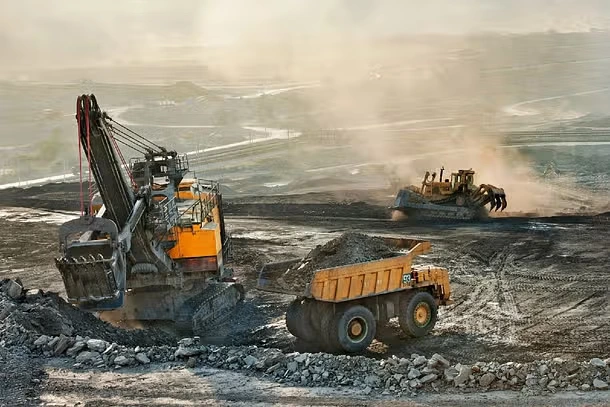
India Seeks Long-Term Critical Mineral Partnerships with Chile and Peru Amid Supply Risks
India Seeks Long-Term Critical Mineral Partnerships with Chile and Peru Amid Supply Risks.
One-stop reference
Company Intelligence
Every listed company in Latin America — financials, ownership and structure for 1,450+ companies across 26 exchanges, in one place.
Browse the directory →
RT
Ask Rio Times
17 years of Latin America reporting, on demand.
Open the full Ask Rio Times →

India’s goal is to secure fixed, long-term supplies through trade deals. But access won’t come easy. China already has long-established stakes in many of these Latin American mines and remains the world’s top buyer of copper and minerals.

As demand for electric vehicles, renewable energy systems, and electronics soars, copper is becoming more strategic. It’s essential for power cables, batteries, motors, and solar installations. Short supply or higher prices would stall industrial growth at home.

India has also started working on new plans to reduce its reliance on China for rare earth magnets—key to EVs, electronics, and defense systems. China currently refines about 90% of the world’s rare earth magnets.

After Beijing recently introduced new export controls, New Delhi responded by launching an incentive scheme worth $160 million to support local magnet production.

According to India’s Ministry of Mines, the country owns the world’s fifth-largest reserves of rare earth elements, but these remain mostly untapped. Delhi has directed its major state-owned firms to invest in overseas mines, including in Africa.

It’s building local facilities too—private giants like Adani and JSW plan to open new smelting plants to expand local supply. However, rising global demand and tightening export rules in countries like Indonesia, Panama, and China keep the pressure high.

India’s mineral dependence is now an economic and strategic issue. Without secure supplies of copper and rare earths, the country risks falling behind in energy, technology, and heavy industry.

The government’s current moves reflect a broader push to protect its growth, control costs, and reduce vulnerability to global shocks. What India secures now could shape its industrial future for decades.

This article was produced by The Rio Times’ automated newsroom system. How we use AI · Report an error

Read More from The Rio Times

The Rio Times · Power Map
See who really holds power in Latin America
Click to open the Power Map

Rotate for Best Experience

This report is optimized for landscape viewing. Rotate your phone for the full experience.