LATIN AMERICA · GUYANA
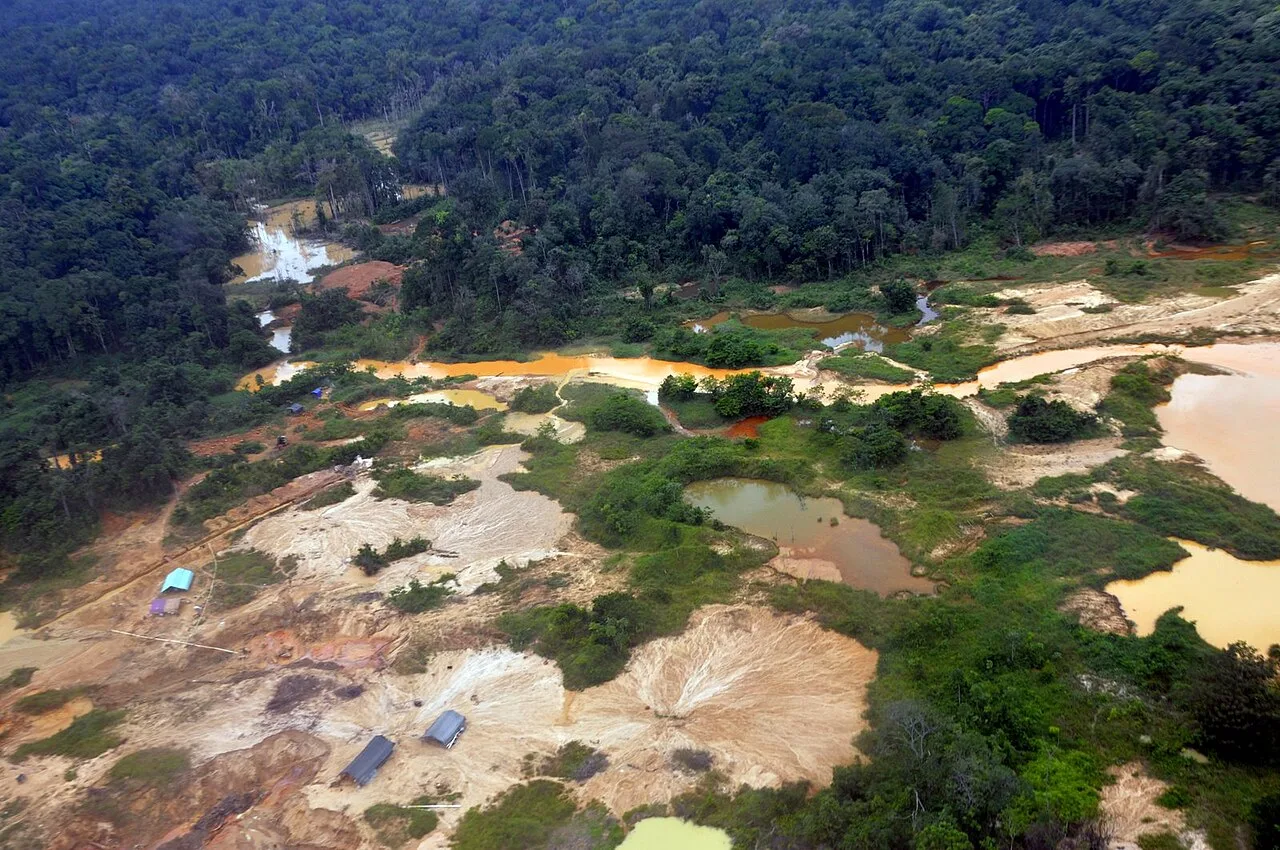
Gold miners and an Indigenous village in north-western Guyana are blaming each other for a violent clash on Thursday 12 November 2026, and each side has called on the state to act. The Guyana Gold and Diamond Miners Association (GGDMA), which represents miners, and the Amerindian Peoples Association (APA), an Indigenous rights group, issued opposing statements on Friday 13 November.
The clash took place around Chinese Landing, an Indigenous village in Region One (Barima-Waini), and neighbouring Kariako village. Natural Resources Minister Vickram Bharrat has said the matter is with the police.
Key Facts
- What Miners and residents of Chinese Landing, an Indigenous village, clashed on Thursday 12 November 2026.
- Miners The GGDMA says armed villagers attacked a mining crew at Kariako and wants police arrests.
- Village The APA condemns attacks on villagers and asks ministers and police to visit Chinese Landing.
- Police Natural Resources Minister Vickram Bharrat says the matter is with the police.
- As of Tuesday 17 November 2026, 06:45 GMT (1:45 a.m. ET)
Both accounts are allegations from the parties, and the facts of the clash remain disputed.
What Each Side Says
In its statement of Friday 13 November, the GGDMA said about 15 people from Chinese Landing travelled more than 13 km (8 miles) to Kariako, where a mining crew was working with the permission of that village’s chief. It alleged that some of them carried firearms and cutlasses, took an excavator and an all-terrain vehicle, and later wounded crew members who came to retrieve the equipment.
The association named Chinese Landing’s village chief, Nikita Miller, among those involved and asked police to arrest and investigate those allegedly involved. The village’s account is the opposite: Miller says miners beat her and other residents that night, after villagers seized an excavator, and took her unloaded gun.
The APA said in its statement that it stands in “unwavering solidarity” with Chinese Landing and condemned what it called brutal attacks on the chief and residents by miners. It asked Sarah Browne-Shadeek, the Minister of Amerindian Affairs, to lead a team with the home affairs and natural resources ministers and the police to the village.
The APA also asked the National Toshaos Council, the national body of Indigenous village chiefs, to visit. We reported the chief’s account first in our earlier report.
A Land Dispute Older Than the Clash
Chinese Landing received title to its land in 1976, and in 1995 the Guyana Geology and Mines Commission (GGMC), the state mining regulator, let businessman Wayne Vieira, who runs a mining operation, mine inside the titled area without the village council’s consent. That is the village’s account as recorded on a government information page published in April 2019.
The GGMC issued Vieira a cease-work order in 2010. He won in the High Court, lost in the Court of Appeal, and won at the Caribbean Court of Justice (CCJ), the region’s top court, in December 2017, the same page says.
The APA says that ruling concerned only the GGMC’s power to enforce a cease-work order, and it accuses the government of hiding behind it. Under the Amerindian Act of 2006 a village council can give or withhold consent to small and medium-scale mining, the government page notes.
Raphael Trotman, then Natural Resources Minister, said in 2018 that even after the CCJ ruling no mining can take place in the village without the community’s permission. The village has also taken its case to the Inter-American Commission on Human Rights, the human rights body of the Organization of American States.
What It Means for You
This is a local security and land-rights dispute with no direct effect on US readers. It matters to anyone following Guyana’s interior, where a village land title from 1976 and a mining permission from 1995 overlap and have been in conflict for years.
What Is Not Known
- Who started the confrontation: the two accounts are opposite and the matter is with the police.
- Whether anyone has been charged. Local reports say the Chinese Landing chief and relatives were taken to Acquero police station in Santa Rosa on Friday 13 November and charged; police have not confirmed this.
- The condition of the wounded miner flown to Georgetown, which the GGDMA reported without details.
- Whether and when ministers or the National Toshaos Council will visit; no date is confirmed.
Frequently Asked Questions
Who are the GGDMA and the APA?
The GGDMA is Guyana’s association of gold and diamond miners, and the APA is an Indigenous rights group. Each issued a statement on Friday 13 November 2026 blaming the other side.
Where is Chinese Landing?
Chinese Landing is an Indigenous village in Region One (Barima-Waini), in north-western Guyana. It holds a land title dating from 1976, according to a government information page.
What did the CCJ decide about Chinese Landing?
In December 2017 the Caribbean Court of Justice ruled in favour of miner Wayne Vieira in his dispute with the mining regulator, according to a government information page. The APA says the ruling covered only the regulator’s power to enforce a cease-work order.
Sources: GGDMA statement of 13 November 2026, as published on 13 November 2026; Amerindian Peoples Association, statement of 13 November 2026; Government of Guyana Department of Public Information, “Decades-old ‘Chinese Landing’ land issues to be addressed”, April 2019.
This article was produced by The Rio Times’ automated AI newsroom. Editorial responsibility: Matthias Camenzind, Publisher and Editor-in-Chief. The Rio Times also runs Ask Rio Times, which answers from 100,000+ of our own articles, the daily Latin America Power Map, and prediction-market odds on elections and markets.. How we use AI · Report an error