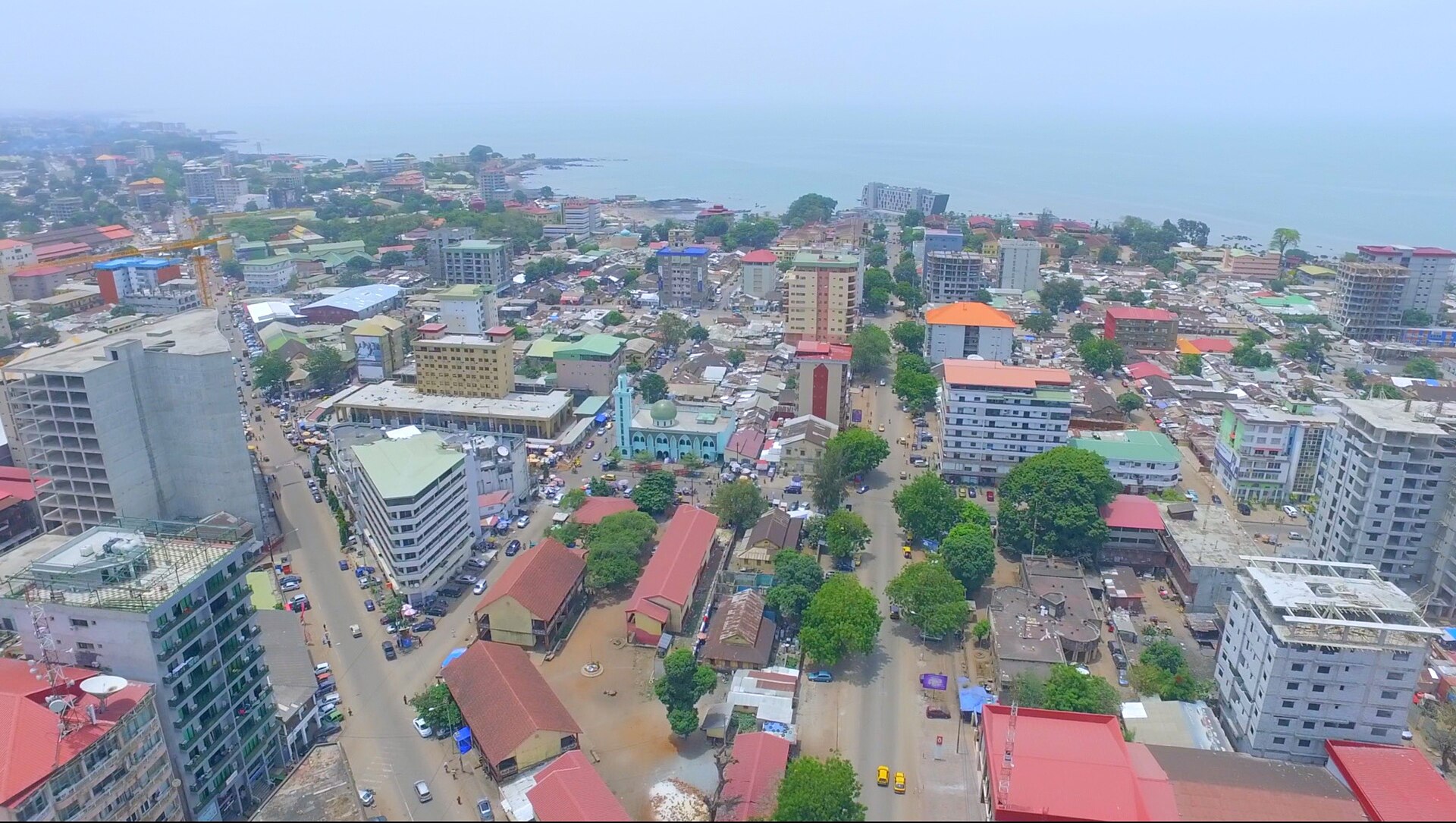
Guinea’s media regulator has named the officials who will watch how radio, television and websites cover the Senate campaign. The High Authority for Communication (HAC), the state body that regulates the media, signed the decision on Monday 16 November 2026.
The campaign opens on Friday 20 November and the vote is on Sunday 20 December. It is an early test of how the press is policed as Guinea fills its Senate, one of the last bodies in its return to constitutional order after the military takeover of September 2021.
Key Facts
- Decision. The media regulator signed its list of campaign coordinators and supervisors on Monday 16 November.
- Role. They supervise the campaign, check candidates’ messages before broadcast and monitor the media.
- Campaign. It runs from Friday 20 November to Thursday 17 December 2026.
- Vote. Senators are chosen on Sunday 20 December 2026 by local and regional councillors.
- As of. Tuesday 17 November 2026, 7:00 p.m. GMT.
The HAC has named officials for seven regions, the capital Conakry, and the prefectures and communes below them. They report disputes over messages to the regional coordinators, but no appeal route for candidates is stated.
The Big Picture
Guinea’s then election director, Djénabou Touré, said on 16 July 2026 that only the Senate vote remained to complete the country’s return to constitutional order. The earlier steps were a constitutional referendum, a presidential election and a combined “triple vote” of communal and legislative elections held on 31 May 2026.
The Senate will not be chosen by direct vote. Touré said communal councillors elect regional councillors, and both groups then elect two thirds of the senators, while the head of state, President Mamadi Doumbouya, appoints the last third.
Two campaigns now overlap. The regional election is on Sunday 29 November, with its campaign running from 9 to 26 November, and the Senate campaign follows from 20 November to 17 December, according to two presidential decrees read on state television on 9 November 2026.
What the Regulator Decided
The HAC’s president, Boubacar Yacine Diallo, signed Decision No. 48 on Monday 16 November 2026, and it was published on Tuesday 17 November. It names regional coordinators and the prefectural and communal supervisors, meaning the officials for each prefecture (county-level area) and commune (town ward), with the names listed region by region.
Their tasks include supervising the campaign, drawing lots for the order in which candidates appear on rural radio (community stations outside Conakry) and on private radio stations that partner with the HAC, and checking messages before they are broadcast. In a dispute, supervisors refer the matter to the regional coordinators, who decide, and the decision states no appeal route for candidates.
On 9 November the HAC announced conditions for private media covering the regional and Senate campaigns. For the regional vote it requires fair airtime and equal access for every candidate, bars hate speech and the use of artificial intelligence to distort candidates’ words, allows paid advertising only at identical rates and sets a 48-hour silence before the vote.
The HAC warned that media outlets which break the rules can be barred from taking part in the campaign. The regulator has not said how often it expects to use that sanction.
What It Means for You
For investors and diplomats following Guinea, the Senate vote fills one of the last institutions of the transition that followed the September 2021 military takeover. The facts so far name only the regulator, the election authority and the president.
Journalists and campaign teams in Guinea now know who supervises them in each area. Readers abroad should expect coverage of the campaign to be shaped by these rules.
What Is Not Known
The decision names its officials, but it does not say how a candidate can appeal a refused message. It also does not say how long a pre-broadcast check may take.
We found no named critic of the pre-broadcast checks, so we do not report an opposition view. The 9 November media rules were set out in detail only for the regional vote, so the Senate rules may differ.
What to Watch
The regional election takes place on Sunday 29 November 2026, and its campaign ends on Thursday 26 November, according to the presidential decree. Supervisors already worked during the 31 May 2026 campaign, so this vote shows how the system performs again.
The Senate campaign opens at 11:59 p.m. on Friday 20 November and closes at 11:59 p.m. on Thursday 17 December. The Senate vote follows on Sunday 20 December 2026.
Frequently Asked Questions
When is Guinea’s Senate election?
The Senate vote is on Sunday 20 December 2026. The campaign runs from Friday 20 November to Thursday 17 December 2026, according to a presidential decree.
Who votes for the senators?
Communal and regional councillors vote, not the public. Two thirds of the senators are elected and the president appoints the last third, said the election director on 16 July 2026.
What does the HAC do?
The High Authority for Communication regulates Guinea’s media. Its supervisors will monitor campaign coverage and check candidates’ messages before broadcast.
What happens to media that break the rules?
The HAC says outlets that break its campaign rules can be barred from taking part in the campaign. The rules cover equal access, hate speech, AI manipulation and paid advertising.
More from Guinea: Guinea calls regional vote for 29 November. Also read: Guinea sets US$3,400 deposit for Senate race and Guinea’s Labé clears 24 regional candidates.
Sources: High Authority for Communication (HAC) Decision No. 48 on coordinators and supervisors, 16 November 2026, and its rules for private media, announced 9 November 2026; presidential decrees on campaign dates, read on national television, 9 November 2026; statement by the then head of the General Directorate of Elections, the election authority, 16 July 2026.
This article was produced by The Rio Times’ automated AI newsroom. Editorial responsibility: Matthias Camenzind, Publisher and Editor-in-Chief. The Rio Times also runs Ask Rio Times, which answers from 100,000+ of our own articles, the daily Latin America Power Map, and prediction-market odds on elections and markets.. How we use AI · Report an error