Guinea Army Loyalty Pledged to President Doumbouya After Rebuke
Guinea · POLITICS
Key Facts
—Army statement: General Ibrahima Sory Bangoura, speaking for the General Staff, declared the armed forces’ “constant fidelity” and “unshakeable loyalty” to President Doumbouya on state television.
—Election result: Doumbouya won the 28 December 2025 presidential election with 86.72 percent of the vote and was sworn in on 17 January 2026.
—Constitutional change: A September 2025 referendum, passed with 89.39 percent, extended the presidential term to seven years and allowed military members to stand as candidates.
—Mining sector: In May 2025, Guinea cancelled licences of between 46 and 53 mining companies, increasing state leverage over bauxite and iron ore assets including the Simandou project.
—Food crisis: Acute food insecurity now affects about 11 percent of Guinea’s 14 million people, leaving over one million Guineans in crisis.
—Regional context: Guinea is part of a West African “coup belt” alongside Mali, Burkina Faso and Niger, all of which have seen military takeovers since 2020.
Guinea’s military high command has publicly reaffirmed its Guinea army loyalty to President Mamady Doumbouya, pushing back against a surge of criticism and speculation about fractures within the armed forces.
A televised pledge of fidelity
General Ibrahima Sory Bangoura delivered the declaration on behalf of the Etat-major général des armées, Guinea’s General Staff of the Armed Forces, in a broadcast on state television. He stressed the “fidélité constante” and “loyauté indéfectible” of the defence and security forces toward President Doumbouya, the country’s institutions and the Guinean people.
Bangoura urged citizens to remain calm and not be swayed by what he called “désinformation.” The statement followed weeks of domestic and diaspora media reports carrying rumours about Doumbouya’s health and political vulnerability.
The high-profile, collective show of support from the General Staff is a deliberate political act. It reassures regime supporters, warns opponents against betting on military splits, and telegraphs to foreign partners that Guinea’s security apparatus is stable for now.
From coup leader to elected president
Doumbouya, then a colonel commanding Guinea’s special forces, overthrew President Alpha Condé on 5 September 2021. His junta, the National Committee of Reconciliation and Development, dissolved the constitution and initially set a 39-month transition, later agreeing with ECOWAS on 24 months.
A roadmap agreed with the Economic Community of West African States set a 24-month transition ending in December 2024. By that deadline, key benchmarks of the ten-point timetable remained unmet, and opposition coalition Forces vives de Guinée announced in January 2025 that it no longer recognised the junta’s legitimacy.
Parts of Conakry were locked down in early January 2025 as protests erupted over the missed deadline. Security forces cracked down on demonstrations, and dozens of deaths have been recorded over the transition period as authorities enforced a ban on protests and suspended political parties.
The 2025 referendum and a tailored constitution
A constitutional referendum held on 21 September 2025 passed with 89.39 percent of votes cast. The new charter extended the presidential term to seven years, renewable once, and removed restrictions that would have barred members of the ruling military authorities from standing as candidates.
The Africa Center for Strategic Studies and rights groups argued the referendum was designed to cement the military junta’s grip on power. Ahead of the vote, the junta suspended three major opposition parties—the RPG, the UFDG and the PRP—for 90 days, effectively neutralising them during the constitutional campaign.
Doumbouya, now promoted to General, registered as a presidential candidate and won the 28 December 2025 election with 86.72 percent of the vote. The Supreme Court proclaimed the final results on 4 January 2026, and he was sworn in as president on 17 January 2026.
Why Guinea army loyalty is the linchpin
Guinea’s armed forces comprise roughly 12,000 active personnel, supported by about 10,000 paramilitary forces. The military has been a central actor in Guinean politics since 1984, with three of four governments in the last four decades coming to power via coups.
The armed forces are deeply intertwined with patronage networks and the political economy, including control over arms flows and influence over lucrative sectors. A unified, televised statement from the General Staff is not routine—it is a signal that no imminent split exists inside the officer corps.
For Doumbouya, military loyalty is essential to containing social unrest. Acute food insecurity now affects about 11 percent of the population, leaving over one million Guineans in crisis, while annual inflation has eased to low single digits, though fuel shortages persist.
Mining, money and great-power competition
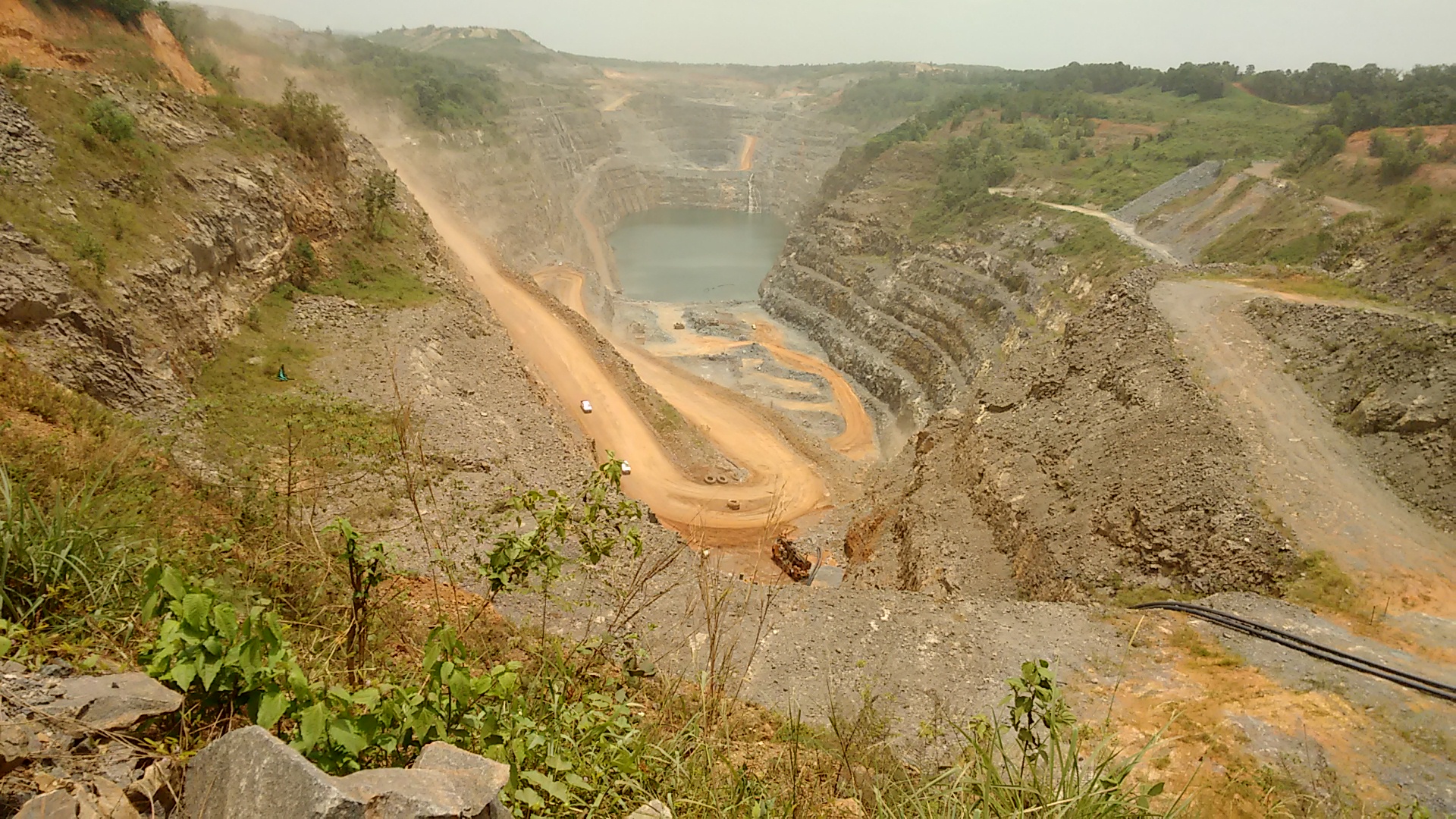
Guinea holds some of the world’s largest bauxite and iron ore deposits, including the Simandou project, making it strategically important for global aluminium and steel supply chains. In May 2025, the junta cancelled licences of between 46 and 53 mining companies, increasing its leverage over who can operate and on what terms.
Control over security forces is crucial for enforcing new mining regulations, securing key sites against protests and bargaining with foreign investors. Chinese firms are heavily involved in bauxite and iron-ore projects, while Russian advisors have been noted in Guinea and French companies retain long-standing positions in West African mining.
Doumbouya’s consolidation with army backing can be read as an attempt to signal reliability to investors while retaining autonomy to renegotiate contracts. The dynamic fits a broader pattern covered in our pillar on Africa: The New Scramble, where resource-rich states leverage great-power competition for domestic advantage.
What to watch next
The African Union’s Peace and Security Council has noted that the September 2025 referendum and December 2025 election mark the formal conclusion of Guinea’s transition. However, regional think-tanks and the PSC itself have emphasised doubts over the legitimacy and inclusiveness of the process.
The African Union lifted Guinea’s suspension in January 2026 after the transition was completed, and ECOWAS restored the country to full membership the same month. The army’s loyalty statement reduces near-term coup risk but does nothing to address the underlying drivers of instability: economic strain, political exclusion and a tightly controlled electoral process.
For investors, the key variable is whether Doumbouya can maintain military cohesion while managing social pressures and external demands. Any sign of factional discord within the armed forces would rapidly alter the risk calculus for mining houses, commodity traders and foreign governments alike.
Frequently Asked Questions
Why did Guinea’s army publicly reaffirm its loyalty to President Doumbouya?
The statement followed public criticism of the junta’s prolonged transition, missed election deadlines and rumours about Doumbouya’s health and political vulnerability.
How did Mamady Doumbouya become president of Guinea?
He led a coup in September 2021, oversaw a constitutional referendum in September 2025 that allowed military members to run, and won the December 2025 presidential election with 86.72 percent of the vote.
What does the army’s loyalty mean for mining investors in Guinea?
It reduces near-term risk of a counter-coup and signals stability, but the regime has shown willingness to cancel licences and renegotiate terms, as seen in May 2025.
Connected Coverage
For deeper analysis of how resource-rich African states navigate great-power competition, read our pillar: Africa: The New Scramble.
Sources
This article was produced by The Rio Times’ automated newsroom system. How we use AI · Report an error
Read More from The Rio Times