Guatemala Power Emergency Under Review as Drought Cuts Hydropower
GUATEMALA · ENERGY
Key Facts
- —What happened The energy ministry is weighing an emergency declaration for the national grid after drought cut hydropower output.
- —Who decides Energy Minister Erwin Barrios says he is waiting for advice from the wholesale market operator, AMM.
- —The numbers Hydro covered 22.2% of average output on 18 September, against about 62% a year earlier.
- —The catch Nothing has been declared and nothing has been ruled out, so the status can change quickly.
- —Household bills Barrios expects little or no effect on regulated tariffs, which long-term contracts help hold steady.
- —What comes next A decision follows once AMM answers the ministry’s request for updated technical figures.
Drought has pushed hydro output to a fraction of normal, and the energy ministry is deciding whether to declare a grid emergency.
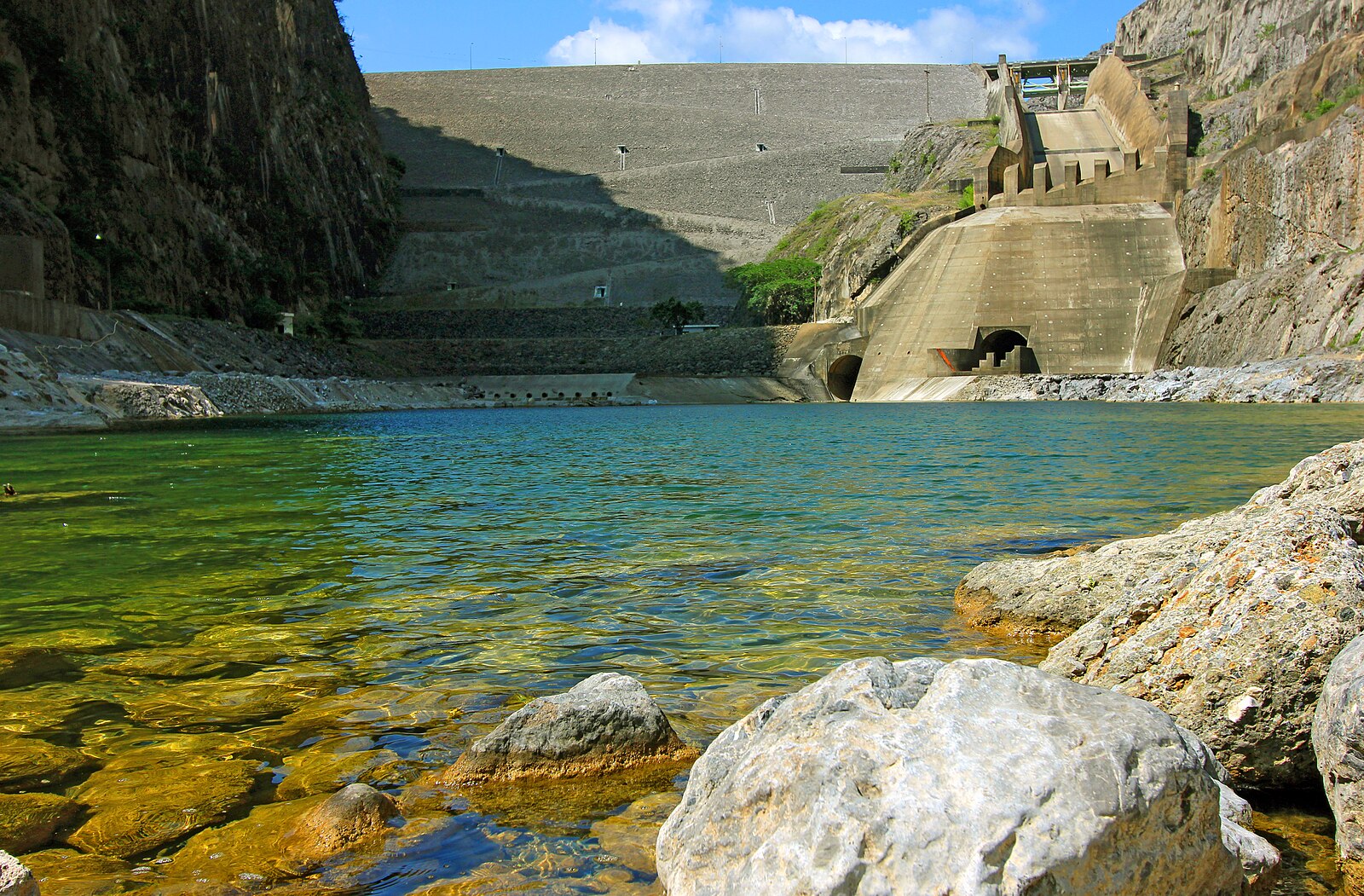
A Guatemala power emergency is under review, not in force. The Ministry of Energy and Mines is deciding whether drought-hit hydropower justifies declaring one for the national grid.
Where the decision stands today
Guatemala’s Ministry of Energy and Mines has not declared an emergency for the national electricity system. Energy Minister Erwin Barrios said on 22 September 2026 that the ministry was still weighing one.
The wholesale market operator, the Administrador del Mercado Mayorista (AMM), sent the ministry a letter the week before. Barrios described it as a kind of orange alert about a possible critical situation.
The ministry then asked AMM to confirm whether conditions really justify a declaration, and when. Barrios said he expected that answer during the week of 21 September.
What a Guatemala power emergency would allow
A declaration would cover the Sistema Nacional Interconectado, Guatemala’s linked national grid. It would let the system draw on every available generating resource as efficiently as possible.
In practice, plants sitting idle could be required to be available when called. It would also make it easier to bring in imported electricity over regional lines.
Barrios said the aim is to have resources ready so that rationing can be avoided. The measure also helps ensure the higher costs of those plants are recognized.
Astrid Perdomo, who heads the renewable generators’ association Ager, said the grid was under a similar condition in 2024. She said the step would be about securing supply.
The rainfall and reservoir figures, and who supplies them
The reservoir numbers come from the Instituto Nacional de Electrificación (Inde), the state utility that runs the Chixoy plant. On 9 September 2026 its reservoir stood at 776.05 metres above sea level.
That was 3.59 metres lower than on the same date in 2025. In a normal wet year the level sits between 785 and 790 metres in early September.
Inde said flows in the Chixoy river basin ran 80% below normal in August, and 90% below by 9 September. Its generation is down about 20% against plan.
The rainfall picture comes from Insivumeh, the national weather and hydrology institute. Its regional climate forum in July 2026 forecast below-average rain across Central America through October.
How much of Guatemala’s electricity comes from water
Hydropower is the country’s largest renewable source, at 1,519.2 megawatts across 102 plants in July 2026. Water accounts for about 41% of the country’s electricity matrix.
Only Chixoy has a large storage reservoir. Every other hydro plant is run-of-river, so output tracks rainfall almost immediately.
The day-to-day picture has flipped this year. AMM data for 18 September showed hydro at 22.2% of average output, against about 62% a year earlier.
Steam turbines took the largest share, at 44% of average output, up from 23.5%. Imports over the regional interconnection covered a further 12.1%.
Rationing, spot prices and what households pay
No rationing order has been issued and none has been announced. Barrios said a declaration would be meant to prevent rationing rather than impose it.
Wholesale spot prices have already jumped sharply. AMM figures analyzed by Ager put July 2026 at US$133.97 per megawatt-hour, against US$84.45 in July 2025.
Regulated household tariffs are cushioned by supply contracts of 15 years or more. The Comisión Nacional de Energía Eléctrica (CNEE), the sector regulator, reviews those tariffs every quarter.
Barrios expects the current squeeze to pass through to regulated users little or not at all. Large industrial and hotel buyers on the spot market are already paying much more.
The regional drought behind the squeeze
El Niño settled over the tropical Pacific early in 2026. In a September 2026 report, the UN economic commission Cepal put the chance of a very strong event above 90%.
From July 2026, Pacific-side rainfall in Central America stayed below 60% of the long-run average. The worst-hit belt is the Dry Corridor crossing Guatemala, Honduras, El Salvador and Nicaragua.
El Salvador’s hydro output fell 34% in the first seven months of 2026. Honduras kept 75 municipalities on red drought alert into December, and Panama declared a national emergency in August.
Rain returned over much of Guatemala in the week to 23 September 2026. Perdomo cautioned that ground baked by a long dry spell absorbs little of it.
What it means for expats, investors and businesses
For people living in or invested in Latin America, this is climate risk showing up as infrastructure risk. A dry year lifts power costs and changes the numbers for energy-hungry operations.
Households should not expect blackouts or a sudden bill shock on current guidance. Companies buying at spot prices, or running backup generators, face the real near-term cost.
What is not known is whether AMM will call the situation critical, or when a decision lands. About 250 megawatts of new generation is due to start up before the end of 2026.
Ager also warns of occasional shortages from 2027 if new plants do not keep pace with demand. The next few weeks of rain will show how tight this season really gets.
Frequently Asked Questions
Has Guatemala declared a power emergency?
No. As of 23 September 2026 the Ministry of Energy and Mines was still weighing one, pending advice from the market operator AMM.
Is electricity going to be rationed?
No rationing order has been issued. The minister said an emergency declaration would be aimed at avoiding rationing by keeping more plants available.
Will household electricity bills go up?
Regulated tariffs rest on long-term contracts and are reviewed quarterly by the CNEE. The minister expects little or no impact for regulated users.
Connected Coverage
US-Guatemala Anti-Crime Cooperation Targets Drug Money in Politics
Sources: Guatemala Ministry of Energy and Mines statements by Minister Erwin Barrios, 22 September 2026, via Prensa Libre and La Hora; Administrador del Mercado Mayorista data; Instituto Nacional de Electrificación reservoir figures; Insivumeh regional climate forum; Ager; Cepal; Diario de Centro América.
This article was produced by The Rio Times’ automated newsroom system. How we use AI · Report an error
Read More from The Rio Times