US-Guatemala Anti-Crime Cooperation Targets Drug Money in Politics
GUATEMALA · POLITICS
Key Facts
- —What happened US and Guatemalan officials agreed to work more closely against drug cartels, money laundering and their political protectors.
- —How big Five US Attorneys and lead prosecutors from nine federal districts visited Guatemala at the same time.
- —Why it matters Officials named drug money in politics as a risk before Guatemala’s general elections in 2027.
- —The catch The US statement describes closer cooperation and names no treaty, no new task force and no targets.
- —Who it affects Guatemalan officials, banks, businesses and foreign residents with local accounts or property.
- —What comes next Extraditions and US indictments will show whether the cooperation produces real cases.
Five US Attorneys travelled to Guatemala City at once, and the theme was drug money inside politics.
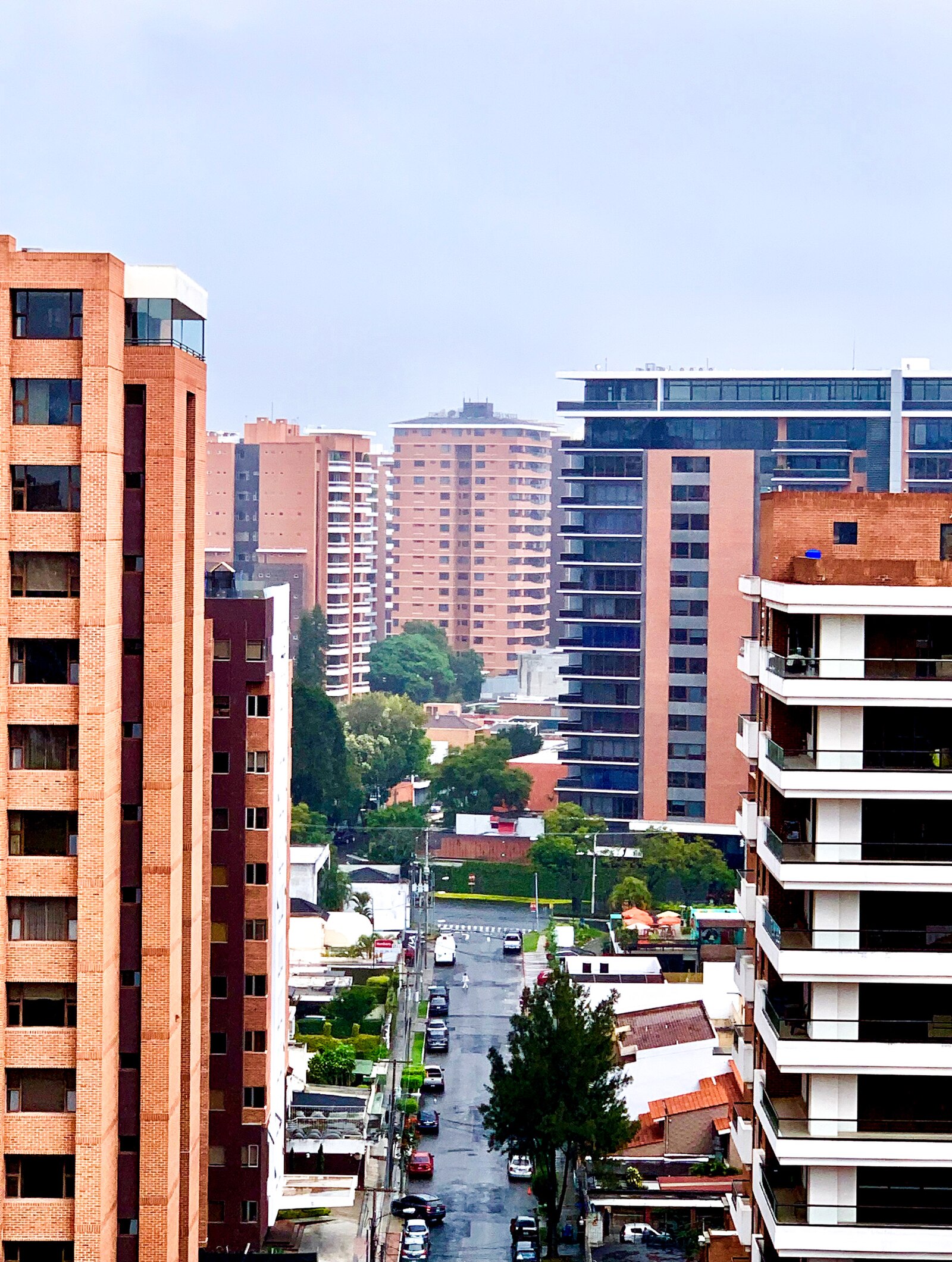
The United States and Guatemala deepened US-Guatemala anti-crime cooperation on Tuesday 22 September 2026, in Guatemala City. Prosecutors from nine US federal districts met President Bernardo Arévalo and his justice and security chiefs.
What the Two Governments Announced
The US Embassy in Guatemala said a delegation of senior Department of Justice officials arrived for an unprecedented visit. Five US Attorneys and lead prosecutors from nine federal districts came at the same time.
The stated aim is to pursue drug traffickers and human smugglers, their enablers and those who protect them. The embassy included narco-linked politicians in that list.
Chargé d’Affaires Jorgan Andrews leads the US mission in Guatemala City. “We are not here to talk about the problem, we are here to solve it together with Guatemala,” he said.
Andrews also said there is no safe haven for people who profit from drug trafficking, extortion or money laundering. He said that holds whatever office a person holds.
The visit fits a Washington policy of dismantling cartels and transnational criminal organizations. US officials framed it as border security and protection for American citizens.
Who Took Part
The delegation met President Bernardo Arévalo, Attorney General Gabriel García Luna and Interior Minister Marco Antonio Villeda. Arévalo called it a historic working meeting.
The nine districts were southern California, Arizona, New Mexico and four in Texas. Southern Florida and northern New York completed the list.
Senior Justice Department leaders joined them, including Acting Deputy Assistant Attorney General Brian Skaret of the Criminal Division. Officials from the Drug Enforcement Administration (DEA), the Federal Bureau of Investigation (FBI) and Homeland Security Investigations also took part.
Two standing units were in the room, Joint Task Force Alpha and Joint Task Force Vulcan. The Justice Department’s overseas prosecutor training office, known as OPDAT, arranged the visit.
“Criminals see borders as an opportunity for illicit activity,” Skaret said. He said prosecutors look across those same borders and see partners.
The US side said it will support Guatemala’s investigative capacity and court processes. The goal is to build cases that can be prosecuted in US courts.
US-Guatemala Anti-Crime Cooperation and the 2027 Vote
Attorney General García Luna said narco-politics is an active risk that will be handled within the law. Guatemala holds general elections in 2027.
He pointed to possible links between drug trafficking, organized crime structures and political or electoral activity. He also said investigations will not interfere in political competition.
Interior Minister Villeda said the two governments now share the same targets. He put criminal finances at the center of that work.
Andrews said Guatemala and the United States reached a record 34 extraditions last year. He said this year has almost passed that figure.
Skaret listed counterterrorism work, migrant-smuggling cases and more extraditions of US fugitives as shared priorities. He said the aim is to bring criminals to justice wherever they operate.
What Is Not Known
The US statement describes closer cooperation and does not mention a treaty or a new legal instrument. The AFP news agency described the outcome as a signed alliance.
No individual, company or political party was named as a target. Neither government published a list of cases.
There is no published timetable, budget or staffing plan for the work. The rules for sharing evidence were not set out in public.
García Luna said the Public Ministry will act with institutional capacity and full respect for the law. No new election-security program was announced.
Why This Matters for Expats and Investors
Guatemala runs on trade, remittances and foreign investment, so enforcement shifts touch ordinary business. Banks tend to widen their checks when prosecutors raise money laundering in public.
Foreign residents with local accounts, property or company shares may face more paperwork over time. No new rule has been issued, and none was announced this week.
Investors in farming, logistics and real estate should expect closer review of local partners. Deals touching politically exposed people can take longer to clear.
The 2027 campaign adds uncertainty for anyone planning long projects. Political alliances can shift quickly if prosecutors open cases against sitting officials.
Nothing announced changes taxes, currency rules or travel for foreigners. The practical signal to watch is bank behavior, not the speeches.
What to Watch Next
New extraditions from Guatemala to the United States are the clearest measure of progress. Andrews has tied the relationship to that number.
Court filings in Texas, Florida, California and New York may reveal the cases behind this visit. Indictments usually name people long before local authorities do.
Statements from Guatemala’s Public Ministry about electoral financing would show whether the 2027 warning has teeth. Nothing of that kind has appeared so far.
For now the two governments have promised coordination and named no one. The next months will show what that promise is worth.
Frequently Asked Questions
What is the US-Guatemala anti-crime cooperation?
It is closer work between US and Guatemalan prosecutors against drug cartels, money laundering and the people who protect them. The US Embassy announced it on 22 September 2026.
Does this change the 2027 Guatemalan elections?
Not directly. Officials named drug money in politics as a risk before the vote, but no election-security program and no targets were announced.
What should expats and investors in Guatemala do now?
Nothing urgent. Expect banks and partners to ask more compliance questions over time, as no new taxes, capital controls or travel limits were announced.
Sources: US Embassy in Guatemala statement, 22 September 2026; Prensa Libre; EFE via Infobae; AFP.
This article was produced by The Rio Times’ automated newsroom system. How we use AI · Report an error
Read More from The Rio Times