Guatemala’s Judiciary Eyes Historic Casa Mozárabe for First Museum
Heritage and Institutions
Key Facts
—The Building. Casa Mozárabe, also called Casa Rodríguez, is a mudéjar-style residence built between 1895 and 1900 in Guatemala City’s Zone 1.
—The Plan. The Judicial Branch (Organismo Judicial) wants to convert the property into its first institutional museum.
—Diplomatic Past. The house once served as the British Legation and hosted a celebration marking the end of World War I.
—Location. It sits at 13 calle and 9a avenida, a busy corridor in the historic centre near other government and cultural buildings.
—Broader Trend. Justice institutions in Guatemala have recently taken an active role in heritage spaces, including a court-ordered relocation of the Museo de Arte Colonial in Antigua.
Guatemala’s Judicial Branch has set its sights on the historic Casa Mozárabe to install its first museum, a move that would turn a diplomatic landmark into a public-facing institution for legal heritage and education.
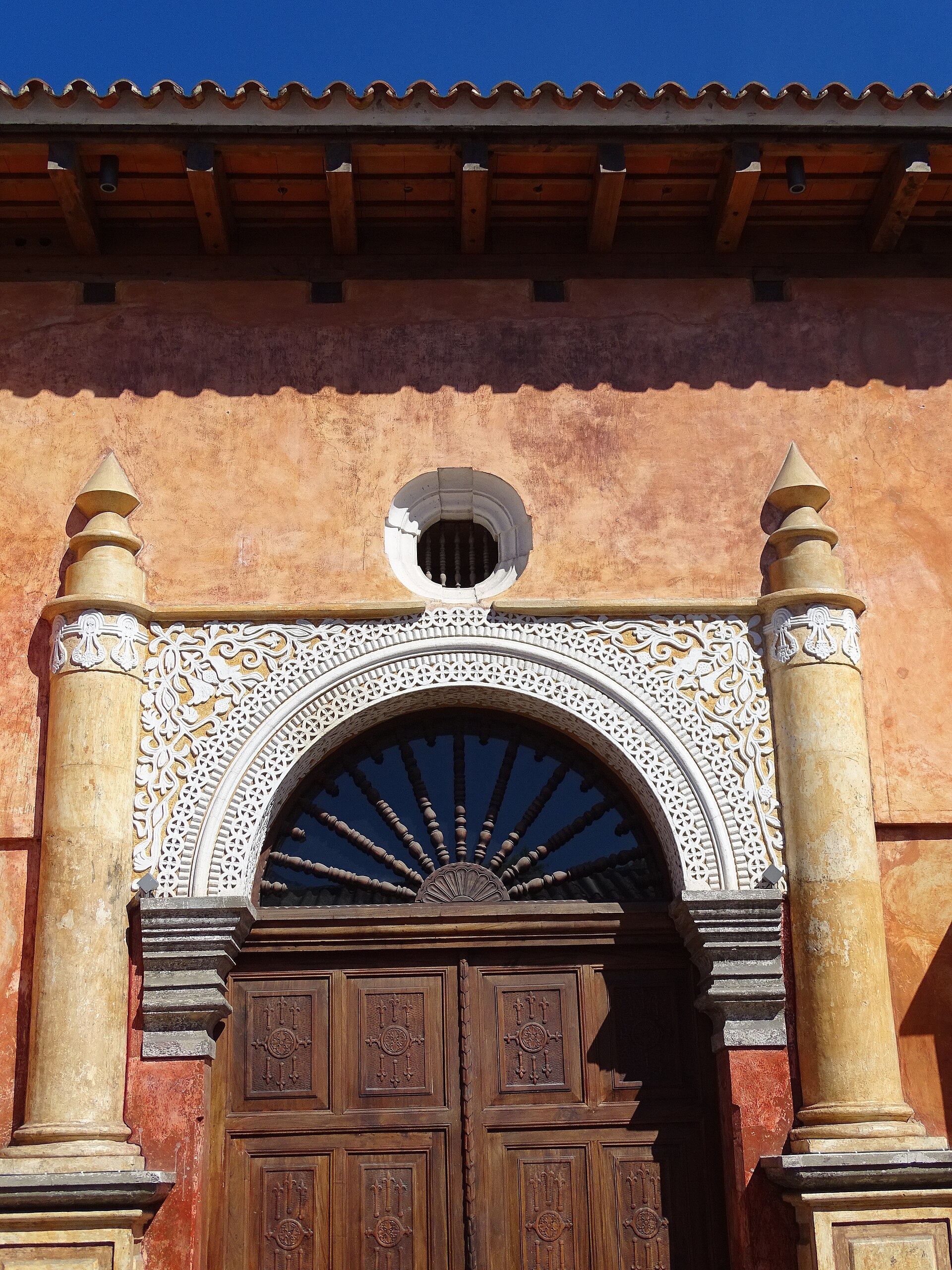
A Mudéjar Gem in the Heart of Zone 1
Casa Mozárabe, also known as Casa Rodríguez, stands as one of Guatemala City’s most distinctive architectural relics. Built between 1895 and 1900, the private residence draws the eye with its mudéjar-inspired ornamentation, a style rooted in Moorish Spain that is exceptionally rare in Central America.
The property at 13 calle and 9a avenida carries more than aesthetic value. It once housed the British Legation and, in a notable historical footnote, hosted a celebration for the end of World War I when it served as the diplomatic headquarters.
That layered past — private mansion, diplomatic post, and now a candidate for institutional reuse — makes the building a natural fit for a museum project. Its Zone 1 location places it within walking distance of other government buildings and cultural sites, anchoring it in the civic life of the capital.
What the Judicial Branch Wants to Build
The Organismo Judicial, Guatemala’s constitutionally mandated judicial authority, envisions the Casa Mozárabe museum as its first dedicated institutional museum. The project would mark a significant departure for an entity whose public face has traditionally been confined to courtrooms and administrative buildings.
While full details of the proposal — including budget, timeline, and curatorial scope — have not yet been made public, the choice of building signals ambition. A museum housed in a heritage property could cover the history of Guatemalan jurisprudence, landmark rulings, justice reforms, or the architectural legacy of the building itself.
The initiative aligns with a broader institutional push toward transparency and public outreach. For a judiciary that has faced public scepticism, a museum offers a platform to tell its own story directly to citizens, students, and foreign visitors.
Justice Institutions and Heritage: A Growing Intersection
The Casa Mozárabe museum plan does not exist in a vacuum. Guatemalan justice authorities have recently shown a more assertive hand in cultural heritage matters, most visibly in the case of the Museo de Arte Colonial in Antigua Guatemala.
In late 2025, the Public Ministry secured a court order to relocate and close that museum, which had operated in the Real Palacio de los Capitanes Generales. The intervention underscored how legal proceedings can directly reshape access to heritage spaces, sometimes controversially.
Against that backdrop, the Judicial Branch’s museum project reads as both a cultural initiative and a statement of institutional presence. By occupying a historic building in the capital’s centre, the judiciary positions itself not just as an arbiter of disputes but as a steward of national memory.
What the Casa Mozárabe Museum Means for Guatemala City
For Guatemala City’s historic centre, the project could inject new foot traffic and cultural programming into a zone that has struggled with decay and depopulation. Zone 1 already hosts the Museo Nacional de Arqueología y Etnología, and adding a judicial museum would diversify the area’s cultural offering.
The adaptive reuse of Casa Mozárabe also sets a precedent for other heritage properties in the capital. Rather than letting historic buildings languish or fall to demolition, public institutions can repurpose them for educational and civic functions, preserving architectural fabric while giving it contemporary relevance.
For expats and investors watching Guatemala’s urban evolution, the museum signals that the state is willing to invest in the historic core. That could bolster property values and commercial activity in surrounding blocks, particularly if the museum draws consistent visitor numbers.
Open Questions: Funding, Timeline, and Heritage Safeguards
The Judicial Branch has not yet disclosed whether the project is at the proposal stage or already approved with allocated funding. The absence of a formal announcement leaves key practical questions unanswered, including the total investment required and the expected opening date.
Heritage protection will also be a central concern. Casa Mozárabe’s mudéjar features and diplomatic history make it a candidate for strict conservation oversight, and any renovation would need to comply with Guatemala’s cultural patrimony laws.
How the judiciary navigates those requirements will shape both the project’s cost and its public reception.
Observers will also watch for curatorial independence. A museum run by the judiciary itself raises questions about how it will handle sensitive chapters in Guatemalan legal history, including periods of institutional weakness or controversial rulings.
The credibility of the museum will depend on its willingness to present a complete, unvarnished record.
The Read-Through for Investors and Expats
For the international community in Guatemala, the Casa Mozárabe museum project is a small but telling indicator of institutional development. A judiciary that invests in public education and heritage preservation is signalling stability and a long-term view, qualities that matter to foreign businesses weighing country risk.
The project also adds a new point of interest in Zone 1, an area that expats often bypass in favour of zones 4, 10, and 14. If the museum succeeds, it could help rebalance perceptions of the historic centre and attract further cultural investment.
What to watch next: formal project approval, budget allocation in the judicial branch’s annual spending plan, and any heritage-impact assessments filed with Guatemala’s cultural authorities. Each step will clarify whether this vision becomes a bricks-and-mortar reality or remains an intriguing proposal.
More: Latin America news in English, every day from The Rio Times.
Frequently Asked Questions
What is the Casa Mozárabe in Guatemala City?
Casa Mozárabe, also called Casa Rodríguez, is a historic private residence built between 1895 and 1900 in Zone 1 of Guatemala City. It features distinctive mudéjar-style architecture and once served as the British Legation, where a celebration for the end of World War I was held.
What does Guatemala’s Judicial Branch plan to do with Casa Mozárabe?
The Organismo Judicial wants to convert Casa Mozárabe into its first institutional museum. The museum would focus on judicial heritage and public education, though full details on scope, funding, and timeline have not yet been released.
Where is Casa Mozárabe located?
Casa Mozárabe is located at 13 calle and 9a avenida in Zone 1, Guatemala City’s historic centre. The area is home to other government and cultural buildings, including the Museo Nacional de Arqueología y Etnología.
This article was produced by The Rio Times’ automated newsroom system. How we use AI · Report an error
Read More from The Rio Times