Guatemala’s President Alleges Paid Blockades but Names Nobody
GUATEMALA · POLITICS
Key Facts
- —What happened President Bernardo Arévalo addressed the nation on Sunday 13 September.
- —The allegation That local politicians and drug-trafficking actors are paying people to join road blockades.
- —Who he named Nobody. He named three places, not a single person.
- —The places Río Hondo in Zacapa, Cuyotenango in Suchitepéquez, and Villa Nueva.
- —The blockades Over fuel prices, running since about 31 August. Transport guilds organise them.
- —The twist The protesters oppose the government’s own fuel price caps.
A president accusing traffickers of paying protesters is a serious charge. Reading exactly what he said, and what he did not, changes how serious it is.
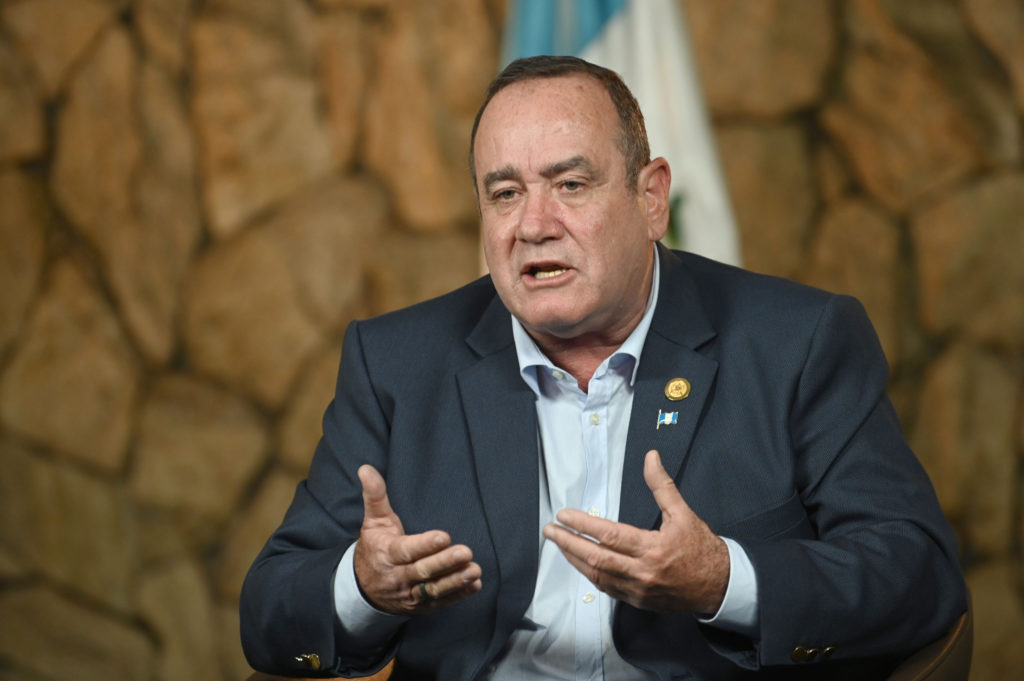
President Bernardo Arévalo told Guatemalans on Sunday that criminal money is behind the road blockades against his government. He named three towns and no individuals.
What He Actually Said
The address went out on national broadcast on the evening of Sunday 13 September.
Arévalo said local politicians have colluded with drug-trafficking actors. The purpose, he said, is to pay people to take part in the blockades.
His formulation was that the spurious electoral interests of some converge with the criminal interests of others. The aim, he said, is to sow chaos and disorder.
He then cited three locations: Río Hondo in Zacapa, Cuyotenango in Suchitepéquez, and Villa Nueva.
He named no politician and no trafficker. That is the single most important qualification on this story.
What the Blockades Are About
They are about the price of fuel, and they have run since about 31 August.
The organisers are transport guilds. GRETEXPA, led by Carlos Vides, GRETRUCEX, and the short-route association led by Gamaliel Chin are the main ones.
Their demand is that the president veto Decree 21-2026. That law caps diesel and regular petrol at 39 quetzales a gallon, about US$5.08, and premium at 41 quetzales, about US$5.34.
They want something different instead. Their proposal is a six-month suspension of fuel taxes, direct subsidies and a permanent compensation fund.
The Part That Surprises Outside Readers
The protesters are not demanding lower prices from a government that refused to act. They are demanding the removal of a price cap.
Congress approved the caps along with a compensation fund. The transport sector argues that capping the retail price squeezes distributors rather than helping consumers.
Whether that is right is a real economic argument. It is not the argument most foreign coverage describes.
The Scale
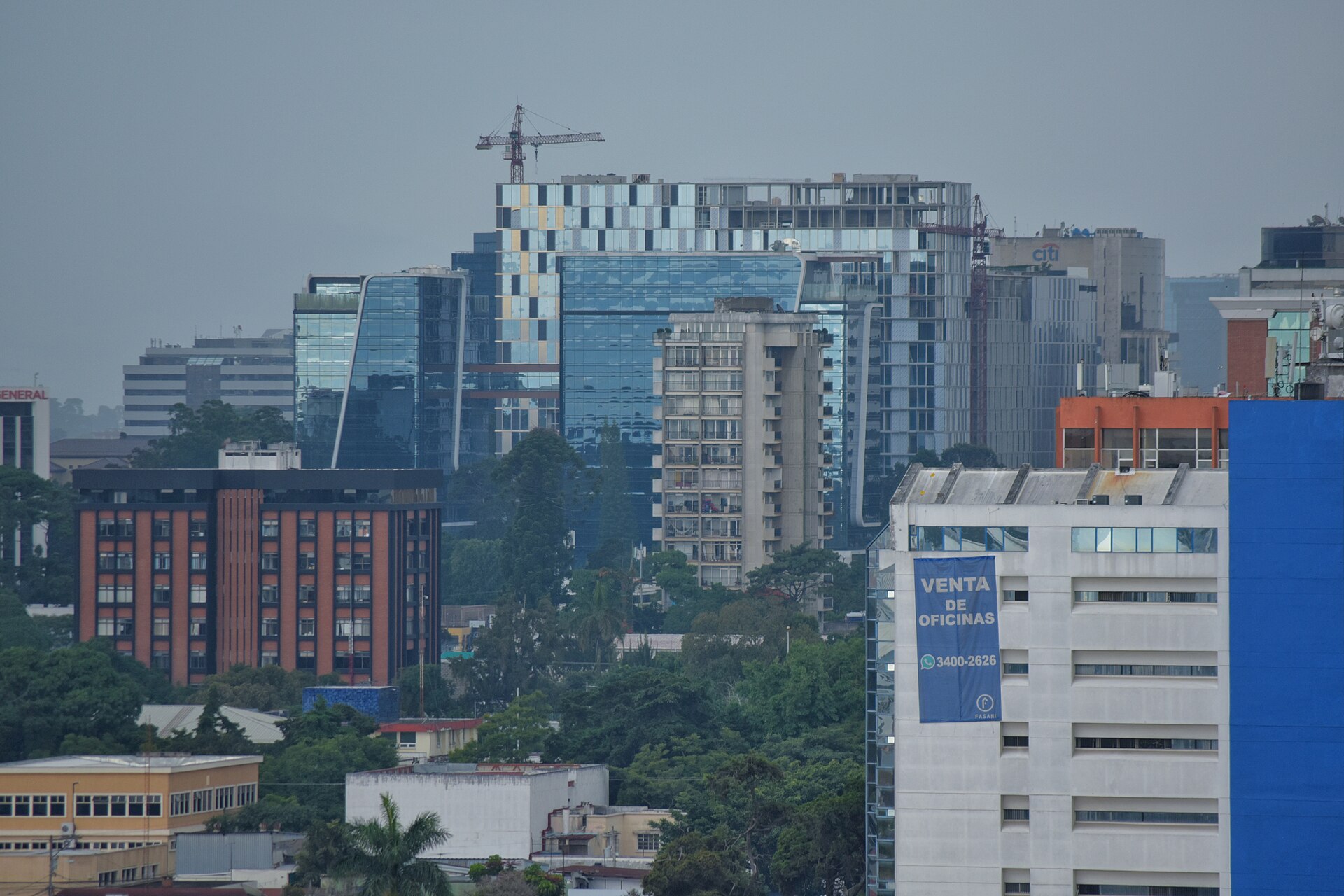
At the peak, on 10 September, eight road closures were reported in a single day.
Business chambers estimate the value of goods affected at around US$150 million a day. That is an industry estimate rather than an official figure.
The government deployed police and military to clear routes. Roughly 400 tanker vehicles resumed supply to about 1,200 filling stations.
Why the Allegation Matters
Guatemala has a documented history of criminal money entering local politics. The charge is not implausible on its face.
It is also unusually serious coming from a head of state in a national address. It implies the government holds intelligence it has not published.
Without names, the allegation cannot be tested, answered or defended against. It also cannot be dismissed.
The honest reporting position is to carry it as what it is. It is the president’s assertion, made in public, with locations attached and no individuals.
Who Has Responded
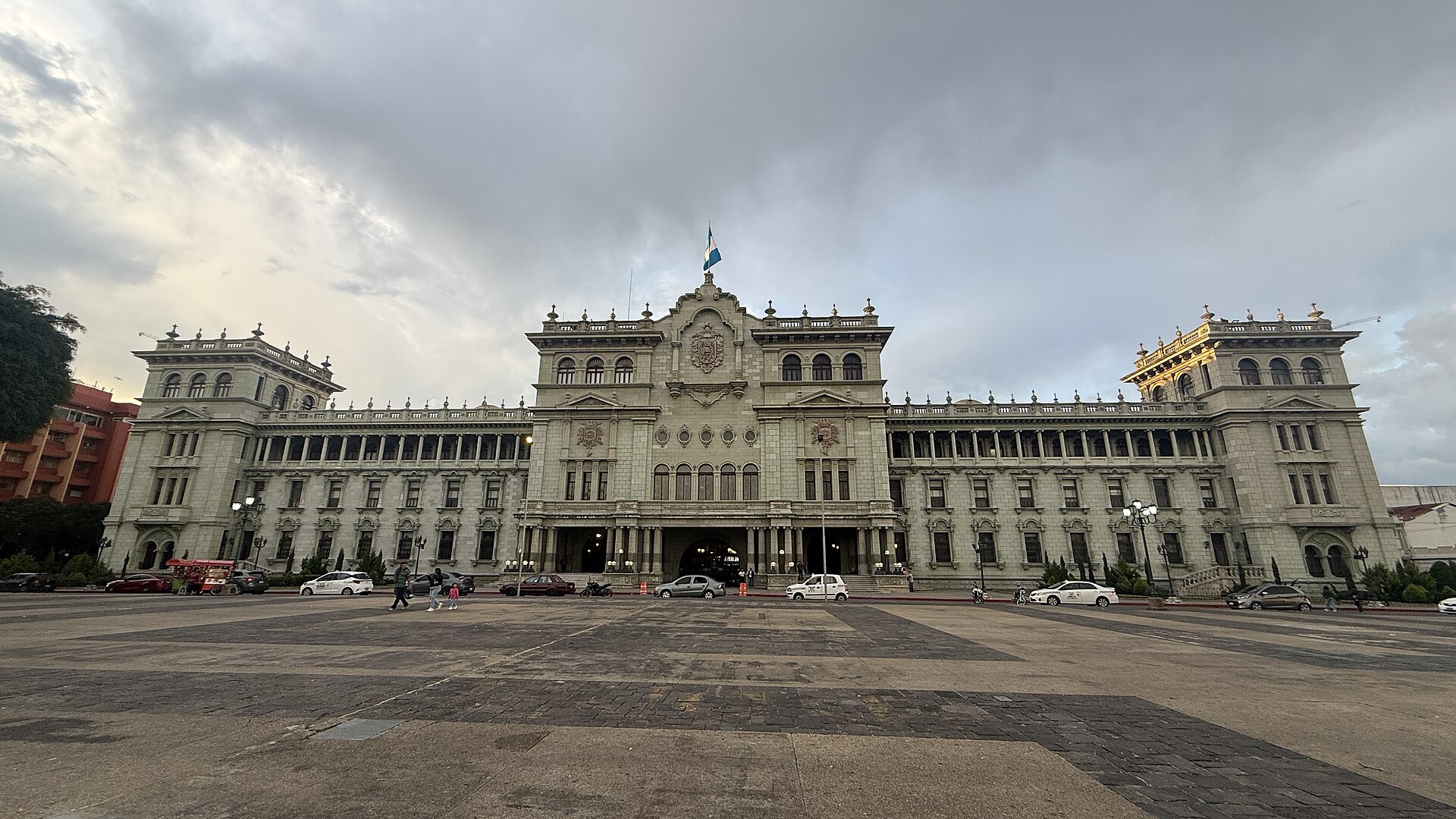
As of Monday, nobody. No named politician has answered, because none was named.
The transport guilds had not publicly addressed the collusion allegation at the time of writing.
That absence is itself a finding. It should not be filled with a substitute quote from an earlier stage of the dispute.
What Is Not Known
No evidence has been published. The government has not said which agency produced the intelligence behind the claim.
It is not known whether prosecutors are examining the allegation, or whether anyone has been placed under investigation.
For businesses moving goods through Guatemala, the operational question is separate and simpler. Fuel supply has partly recovered, and the blockades have not formally ended.
More: Guatemala news and analysis, every day from The Rio Times.
Frequently Asked Questions
What did Arévalo allege?
That local politicians and drug-trafficking actors are paying people to take part in road blockades.
Did he name anyone?
No. He named Río Hondo, Cuyotenango and Villa Nueva, and no individuals.
What are the blockades about?
Fuel prices. Transport guilds want Decree 21-2026, which caps fuel prices, vetoed.
How long have they run?
Since about 31 August 2026. Eight closures were reported on 10 September, the peak so far.
What is the economic cost?
Business chambers estimate about US$150 million a day in goods affected. That is an industry figure.
Has anyone responded to the allegation?
Not as of 14 September. No named individual exists to respond.
Sources: Gobierno de Guatemala, Prensa Libre, Soy502, La Hora.
This article was produced by The Rio Times’ automated newsroom system. How we use AI · Report an error
Read More from The Rio Times