Geopolitical Tug-of-War: Bangladesh’s Potential Shift Between China and U.S./India
(Analysis) The recent resignation of Bangladesh’s Prime Minister Sheikh Hasina has plunged the nation into a state of political flux.
This situation could have repercussions not just within its borders but across the geopolitical landscape of South Asia.
This event marks a decisive shift, presenting both challenges and opportunities for key global powers like the US, India, and China.
Unfolding Drama and Its Roots
Since ascending to power in 2009, Sheikh Hasina has been pivotal in Bangladesh’s trajectory, fostering substantial economic growth and managing a delicate diplomatic balance with major world powers.
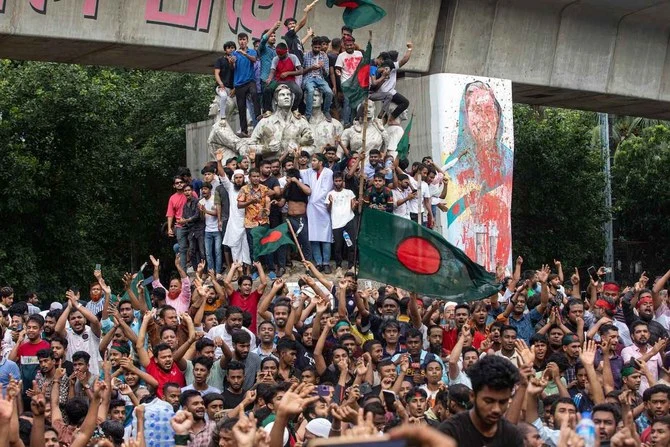
Despite her successes, her government has faced criticism for autocratic tendencies and stifling opposition, culminating in widespread protests over civil service job allocations.
These demonstrations quickly escalated, leading to military intervention and Hasina’s eventual flight to India, signaling a critical juncture for the nation.
Why Bangladesh is Important
For China:
- Strategic Location: Bangladesh’s position in South Asia is vital for China’s Belt and Road Initiative (BRI), allowing projects like the Padma Bridge and the Payra Power Plant to solidify China’s presence in the region.
- Economic Influence: As a significant trade partner, China supports Bangladesh’s garment industry by supplying essential raw materials crucial for the nation’s economy.
- Geopolitical Leverage: Enhancing ties with Bangladesh helps China mitigate India’s regional influence and expand its own geopolitical footprint.
For the US:
- Indo-Pacific Strategy: Bangladesh is key to the US’s efforts to counter China’s regional ascendancy as part of its Indo-Pacific strategy.
- Democratic Interests: The US promotes democracy and human rights in Bangladesh, supporting its global foreign policy objectives.
- Economic and Security Cooperation: Established trade and security relations make Bangladesh a valued ally in South Asia.
Key Players and Their Allegiances
Pro-China Elements:
- The Bangladesh Nationalist Party (BNP) might steer the country closer to Beijing.
- Various Islamist factions could align with China to counter India.
Pro-India and US Factions:
- The future of the Awami League, Hasina’s party, is now uncertain.
- The military, promising elections, remains a wildcard with a history of political interventions.
Geopolitical Stakes
The US and India are keen on limiting China’s regional influence, which could be compromised with a pro-China administration in Bangladesh.
Enhanced diplomatic and economic outreach by these nations may be crucial to sway Bangladesh’s alignment in their favor.
Viewing the instability as a strategic opening, China could solidify its presence in Bangladesh, thereby altering the power dynamics in the Indo-Pacific region.
Stability in Bangladesh is essential for the security of the entire region. Prolonged political unrest could adversely affect economies, increase migration, and heighten conflict risks, especially in neighboring India and Myanmar.
Challenges Ahead
The military’s control and the mixed public reactions to Hasina’s departure underline the complexities of transitioning to stable governance.
Internationally, while the US advocates for democracy, the EU stresses a peaceful transition. India vigilantly observes these developments due to its profound ties and strategic interests.
Looking Forward
The unfolding political scenario in Bangladesh following Sheikh Hasina‘s exit is pivotal for South Asia’s geopolitical dynamics.
How this power vacuum is addressed will significantly influence regional stability and international strategic balances.
The engagement of global stakeholders like the US, India, and China will be critical in steering Bangladesh towards a stable and strategically aligned future.
This article was produced by The Rio Times’ automated newsroom system. How we use AI · Report an error
Read More from The Rio Times