IBOV 187,502.60 ▲ 1.01% IPSA 11,284.97 ▼ 0.75% IPC MEX 64,479.96 ▼ 0.52% MERVAL 3,107,396 ▼ 0.09% COLCAP 2,580.41 ▼ 0.14% BVL PERÚ 60,702.89 ▼ 1.24% USD/BRL5.10▼ 0.22% USD/MXN16.96▲ 0.40% USD/CLP939.67▲ 1.29% USD/COP3,100▼ 0.56% USD/PEN3.37▲ 0.40% USD/ARS1,512▼ 0.12% USD/UYU40.24▲ 3.05% USD/PYG5,868▲ 2.26% USD/BOB12.36▲ 1.91% USD/DOP58.60▲ 0.17% USD/CRC447.58▲ 1.69% USD/GTQ7.63▲ 3.04% USD/HNL26.85▲ 0.57% USD/NIO36.62▲ 0.34% USD/VES825.67▼ 0.13% USD/PAB1.00— 0.00% USD/BZD2.00— 0.00% USD/JMD 157.28 — 0.00% USD/TTD6.73▲ 2.40% EUR/BRL5.92▲ 0.24% BRENT 88.88 ▼ 0.03% WTI 83.11 ▼ 0.11% IRON ORE 161.91 — — COPPER 6.61 ▲ 0.03% GOLD 4,461 ▲ 1.78% SILVER 65.59 ▲ 1.26% SOY 1,184 ▲ 3.20% CORN 480.50 ▲ 10.02% WHEAT 655.00 ▲ 3.93% COFFEE 317.25 ▼ 5.51% SUGAR 16.43 ▼ 1.79% ORANGE JUICE 138.55 ▼ 0.47% COTTON 85.03 ▲ 2.33% COCOA 5,719 ▲ 3.18% BEEF 223.60 ▼ 3.93% CATTLE 339.10 ▼ 3.16% LITHIUM 75.20 ▲ 1.47% PETR4 41.64 ▼ 0.05% VALE3 72.97 ▲ 0.83% ITUB4 38.60 ▼ 1.03% BBDC4 16.85 ▲ 0.36% ABEV3 14.89 ▼ 0.80% BBAS3 19.37 ▲ 0.47% B3SA3 14.26 ▼ 0.21% WEGE3 47.59 ▲ 0.49% PRIO3 59.14 ▼ 0.19% SUZB3 41.33 ▲ 2.35% RENT3 34.68 ▼ 0.09% AZZA3 15.89 ▼ 2.63% CSAN3 3.22 ▼ 1.83% RAIZ4 0.25 — 0.00% PCAR3 2.75 ▼ 0.36% GMAT3 3.65 ▼ 1.08% PSSA3 48.13 ▼ 0.54% CVCB3 1.33 ▼ 2.92% POSI3 3.36 ▲ 2.44% SLCE3 13.34 ▲ 0.30% NATU3 8.14 ▼ 0.73% IBOV 187,502.60 ▲ 1.01% IPSA 11,284.97 ▼ 0.75% IPC MEX 64,479.96 ▼ 0.52% MERVAL 3,107,396 ▼ 0.09% COLCAP 2,580.41 ▼ 0.14% BVL PERÚ 60,702.89 ▼ 1.24% USD/BRL 5.16 ▲ 0.01% USD/MXN 17.06 ▼ 0.24% USD/CLP 913.98 ▲ 0.04% USD/COP 3,140 ▲ 0.03% USD/PEN 3.36 ▼ 0.66% USD/ARS 1,493 ▲ 0.10% USD/UYU 40.27 ▲ 1.24% USD/PYG 5,939 ▲ 1.68% USD/BOB 11.64 ▼ 0.76% USD/DOP 58.34 ▲ 1.25% USD/CRC 445.92 ▲ 0.89% USD/GTQ 7.62 ▲ 2.21% USD/HNL 26.79 ▲ 1.57% USD/NIO 36.62 ▲ 0.69% USD/VES 762.44 ▼ 0.13% USD/PAB 1.00 — 0.00% USD/BZD 2.00 — 0.00% USD/JMD 157.28 — 0.00% USD/TTD 6.70 ▲ 0.61% EUR/BRL 5.95 ▲ 1.01% BRENT 88.88 ▼ 0.03% WTI 83.11 ▼ 0.11% IRON ORE 161.91 — — COPPER 6.61 ▲ 0.03% GOLD 4,461 ▲ 1.78% SILVER 65.59 ▲ 1.26% SOY 1,184 ▲ 3.20% CORN 480.50 ▲ 10.02% WHEAT 655.00 ▲ 3.93% COFFEE 317.25 ▼ 5.51% SUGAR 16.43 ▼ 1.79% ORANGE JUICE 138.55 ▼ 0.47% COTTON 85.03 ▲ 2.33% COCOA 5,719 ▲ 3.18% BEEF 223.60 ▼ 3.93% CATTLE 339.10 ▼ 3.16% LITHIUM 75.20 ▲ 1.47% PETR4 41.64 ▼ 0.05% VALE3 72.97 ▲ 0.83% ITUB4 38.60 ▼ 1.03% BBDC4 16.85 ▲ 0.36% ABEV3 14.89 ▼ 0.80% BBAS3 19.37 ▲ 0.47% B3SA3 14.26 ▼ 0.21% WEGE3 47.59 ▲ 0.49% PRIO3 59.14 ▼ 0.19% SUZB3 41.33 ▲ 2.35% RENT3 34.68 ▼ 0.09% AZZA3 15.89 ▼ 2.63% CSAN3 3.22 ▼ 1.83% RAIZ4 0.25 — 0.00% PCAR3 2.75 ▼ 0.36% GMAT3 3.65 ▼ 1.08% PSSA3 48.13 ▼ 0.54% CVCB3 1.33 ▼ 2.92% POSI3 3.36 ▲ 2.44% SLCE3 13.34 ▲ 0.30% NATU3 8.14 ▼ 0.73%
since 2009
Thursday, September 10, 2026

Geopolitical Pivot: How Sri Lanka’s Election Impacts India-China Relations

By · August 19, 2024 · 2 min read

The LatAm Brief

One email, every weekday morning. What moved in Latin American markets, politics and expat life.

Yesterday’s subject line: “YPF sells US$1.2bn bond, Argentina's biggest since 2015”

Free. We send a confirmation link first — nothing arrives until you click it. Unsubscribe with one click in any edition. If you stop opening us for 30 days we stop sending by ourselves, as we assume the interest is no longer there. See our privacy policy. We never share your email.

Sri Lanka’s presidential election, scheduled for September 21, stands as a monumental event, with 39 candidates vying for leadership amidst an unprecedented economic crisis.

This election, boasting the highest number of contenders ever, will determine the nation’s financial and geopolitical trajectory.

The candidates represent a spectrum of political legacies and visions for Sri Lanka’s future. Notably, Namal Rajapaksa, son of former President Mahinda Rajapaksa, seeks to revive his family’s influence.

This comes after their dramatic fall from grace in 2022 during mass protests and a financial collapse. The Rajapaksa family has been a cornerstone of Sri Lankan politics, with Mahinda Rajapaksa’s tenure marked by the end of a 26-year civil war.

On the other hand, incumbent President Ranil Wickremesinghe, running as an independent, championed continued economic reforms under his leadership.
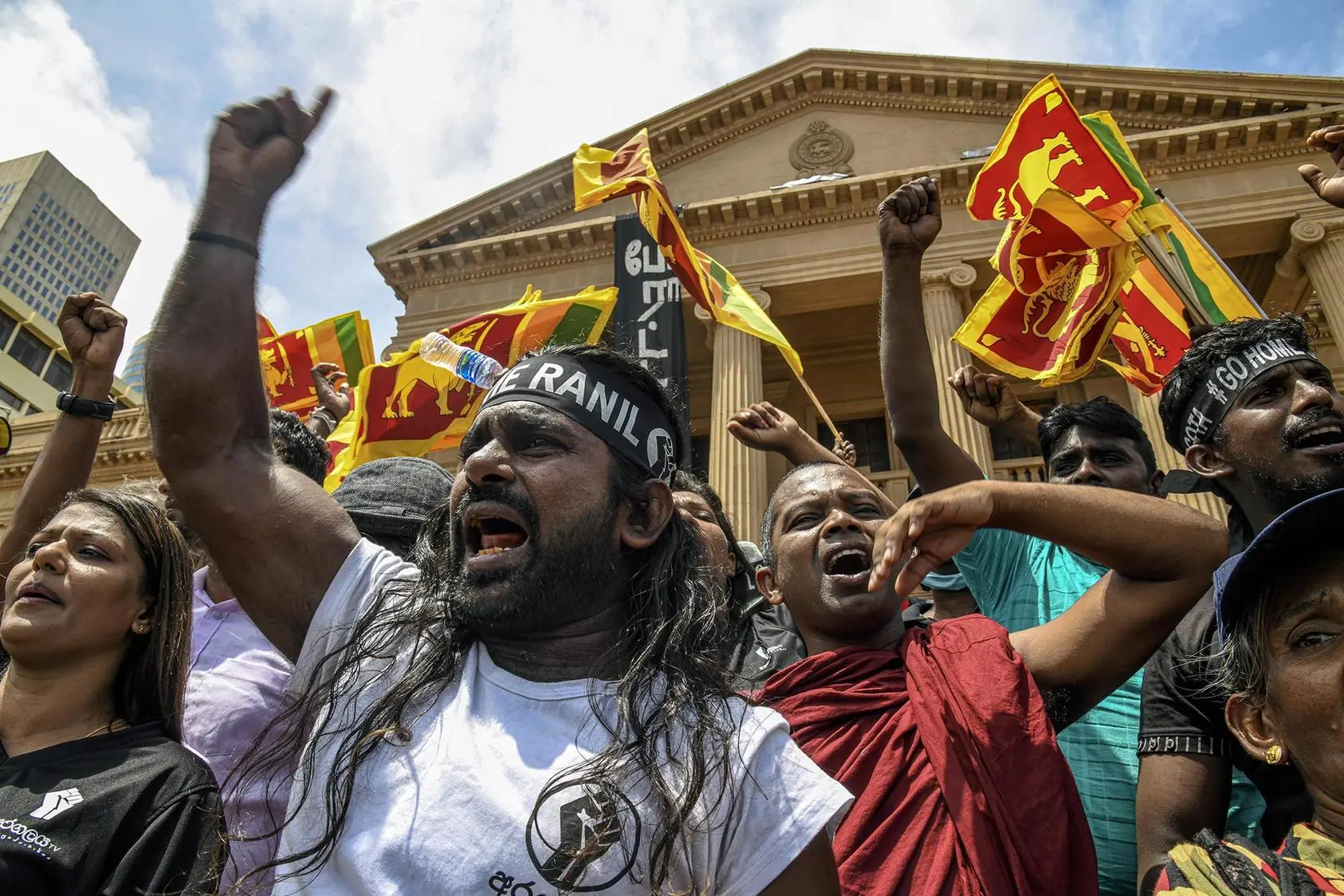
Geopolitical Pivot: How Sri Lanka's Election Impacts India-China Relations
Geopolitical Pivot: How Sri Lanka’s Election Impacts India-China Relations.
One-stop reference
Company Intelligence
Every listed company in Latin America — financials, ownership and structure for 1,450+ companies across 26 exchanges, in one place.
Browse the directory →
RT
Ask Rio Times
17 years of Latin America reporting, on demand.
Open the full Ask Rio Times →

Since assuming office, Wickremesinghe has implemented policies that reduced inflation from 70% to around 5%. He has also stabilized the Sri Lankan rupee and increased foreign reserves.

He promises further stability and growth, aiming to propel Sri Lanka to developed nation status by its centenary of independence in 2048. Sajith Premadasa and Anura Kumara Dissanayake are among the main challengers.

Premadasa, representing the Samagi Jana Balawegaya, and Dissanayake, representing the National People’s Power, offer alternatives to traditional governance. Many citizens blame the traditional approach for the country’s prolonged economic woes.

Domestic and International Implications

This election is critical not just for domestic policy but also for its significant international implications. It particularly affects relations with India and China.

Both countries have historically influenced Sri Lanka‘s political landscape. China sees Sri Lanka as a pivotal node in its Belt and Road Initiative, having invested heavily, including acquiring the Hambantota Port on a 99-year lease.

Conversely, India seeks to maintain strong ties with Sri Lanka, wary of increasing Chinese influence in what it considers its strategic backyard.

The election could potentially shift these dynamics, especially if a candidate like Dissanayake, perceived as anti-India, assumes power. Such a development could recalibrate the delicate geopolitical balance in the region.

The stakes are high with the International Monetary Fund’s $2.9 billion bailout package in play, aiming to guide Sri Lanka through structural reforms and economic recovery. The election results will influence the pace and direction of these reforms.

In summary, Sri Lanka is approaching a critical juncture. The outcome of the September presidential election will have profound implications for its economic recovery, domestic stability, and international relations.

The world watches closely, understanding that the choice of leader will shape the future of Sri Lanka’s 17 million eligible voters. This decision will also impact regional dynamics in South Asia.

This article was produced by The Rio Times’ automated newsroom system. How we use AI · Report an error

Read More from The Rio Times

The Rio Times · Power Map
See who really holds power in Latin America
Click to open the Power Map

Rotate for Best Experience

This report is optimized for landscape viewing. Rotate your phone for the full experience.