Generation Z Struggles in Brazil’s Workforce: Low Wages, Informal Jobs, and Missed Opportunities
Brazil’s youth unemployment rate, based on 2024 data from the IBGE, remains over twice as high as that of older workers. Despite the country achieving a historic low overall unemployment rate of 6.1%, young people aged 18 to 29 face significant barriers to stable employment.
These challenges stem from lack of experience, low qualifications, and widespread informal work. Among employed youth, 38.5% worked informally in late 2024, compared to 35.9% of adults aged 30 to 59.
Informal jobs offer limited security, lower wages, and fewer opportunities for advancement. Young workers earned an average monthly salary of R$2,297, far below the national average of R$3,315.
Many youth also face underemployment, working fewer hours than desired, which further reduces their income. The concentration of young workers in low-skilled and poorly paid jobs reflects broader structural issues.
High informality rates in occupations commonly held by youth reached an average of 44.6%, with earnings averaging just R$1,815 monthly. Regional disparities exacerbate the problem, with informality exceeding 50% in economically weaker areas like the North and Northeast.
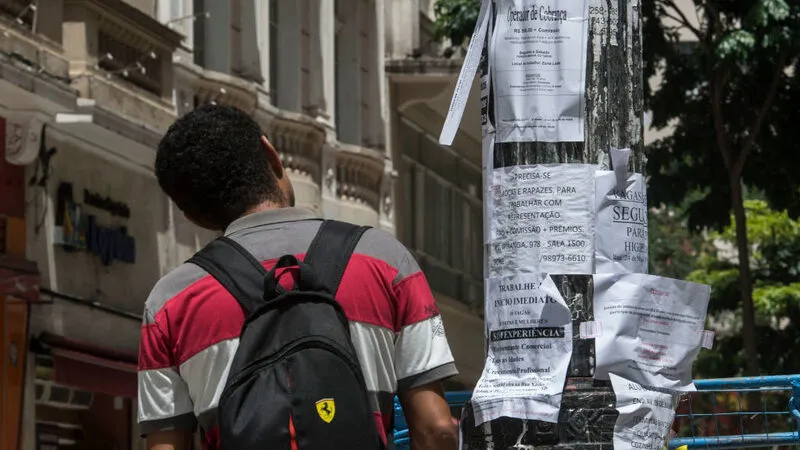
Employers often prefer experienced workers due to perceived gaps in technical and socio-emotional skills among younger candidates. Generation Z’s workplace expectations also clash with traditional job structures, leading to higher resignation rates among youth.
Nearly half of all resignations between January and February 2025 came from this age group. The economic implications are severe. Youth unemployment reduces productivity, innovation, and tax revenues while straining social systems.
Experts emphasize aligning vocational training with market demands and incentivizing formal hiring to address these issues effectively. Without targeted action, Brazil risks undermining its future economic potential amid a rapidly aging population.
More: Brazil news in English, every day from The Rio Times.
This article was produced by The Rio Times’ automated newsroom system. How we use AI · Report an error
Read More from The Rio Times