China’s Record Soybean Purchase from Brazil Reshapes Global Trade
Chinese soybean crushers made an extraordinary purchase of Brazilian soybeans this week, securing at least 2.4 million tons. This volume represents nearly one-third of the monthly average China processes.
It highlights the impact of escalating trade tensions with the United States. The information comes from individuals familiar with the transactions, who requested anonymity due to restrictions on speaking to the media.
Chinese importers booked at least 40 shipments from Brazil during the first half of the week. They capitalized on a recent dip in Brazilian soybean prices, which had previously surged due to earlier trade uncertainties.
These purchases are scheduled for delivery in May, June, and July, further solidifying Brazil’s role as China’s leading soybean supplier.
The trade war intensified after U.S. President Donald Trump raised tariffs on Chinese goods to 125%, prompting Beijing to retaliate with an 84% tariff on American products.
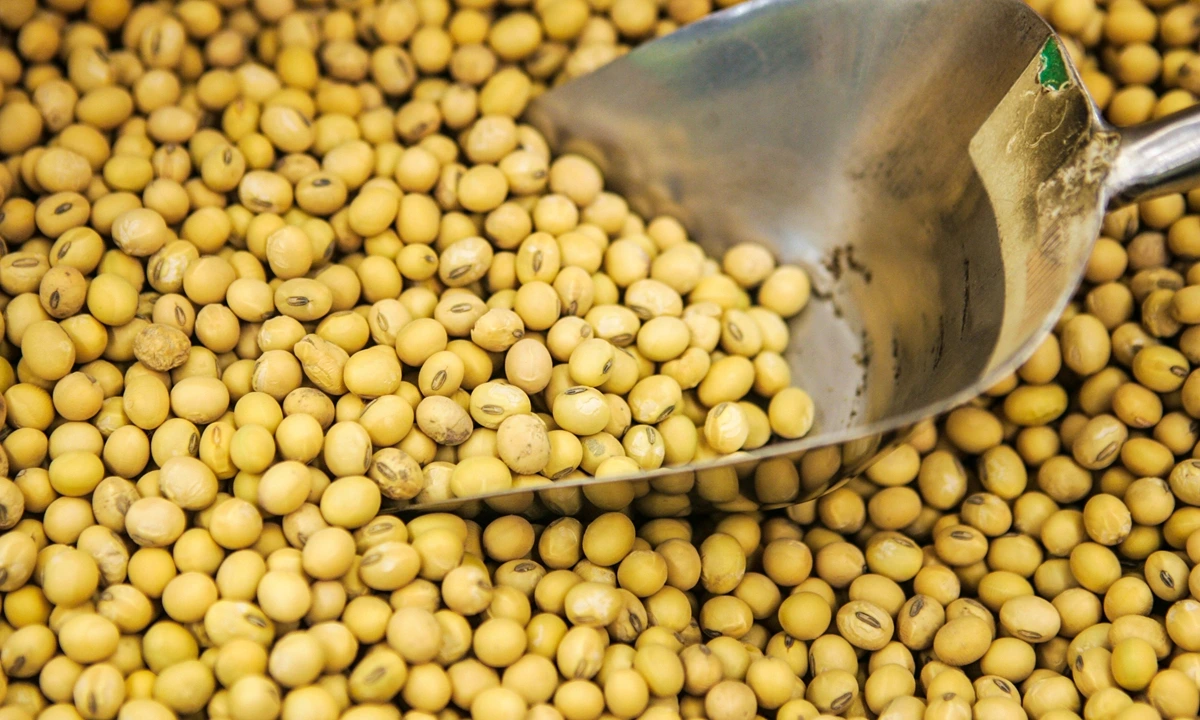
These measures have disrupted traditional agricultural trade flows, forcing China to shift its reliance from U.S. soybeans to Brazilian supplies.
Soybeans remain America’s top agricultural export to China, but this shift underscores Brazil’s growing dominance in global soybean exports. Brazil exported record volumes of soybeans in 2025, with projections exceeding 170 million tons for the year.
Brazil Emerges as Key Soybean Supplier
In January and February alone, China accounted for 79% of Brazil’s soybean exports. This trend reflects Brazil’s ability to capitalize on geopolitical tensions and meet rising demand from China, which is the world’s largest soybean importer.
Chinese buyers were also driven by higher domestic crushing margins after soybean meal prices surged amid concerns over supply disruptions. Despite avoiding U.S. soybeans in recent months due to trade risks, China’s state grain storage agency made limited purchases earlier this year.
These were aimed at replenishing its reserves. However, prolonged tensions could lead to supply shortages or higher prices for Brazilian soybeans later this year.
Seasonal constraints may force China to rely on U.S. crops during the fourth quarter when American harvests typically dominate markets. China’s strategic move to secure Brazilian soybeans highlights how geopolitical conflicts reshape global agricultural trade.
Brazil benefits from increased exports while U.S. farmers face declining market access and economic uncertainty. This shift underscores the fragile balance of international commodity markets amid ongoing trade disputes.
More: Brazil news in English, every day from The Rio Times.
This article was drafted with automated assistance and reviewed before publication. How we use AI · Report an error
Read More from The Rio Times