A prominent splinter group from the FARC has suspended talks with Colombia’s government, citing failure to adhere to agreements.
They have stepped back from discussions initiated with President Gustavo Petro’s administration.
This group consists of rebels who had previously declined the peace accord of 2016.
They claim the government did not fulfill its promises and favor military solutions in regions where the group operates.
The negotiation table was established in the town of Tibú, near the Venezuelan border, where this faction set the rules.
Delays in the dialogue were caused by military operations and violent events, which resulted in the loss of trust.
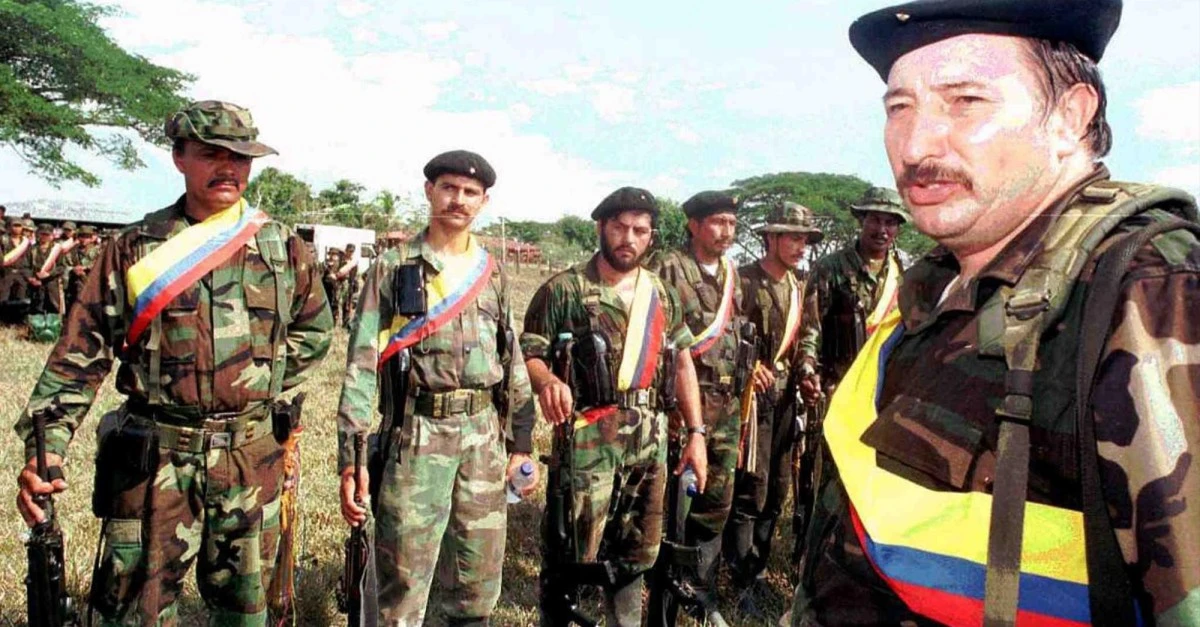
Despite the halt in negotiations, the group confirmed the ongoing ceasefire would remain in effect.
No official military response to these developments has been made public.
In another incident, about 100 soldiers detained by civilians while clearing mines were subsequently released in an area controlled by the same faction.
This group, known as the EMC, is accused of manipulating these civilians.
One of the senior FARC leaders, known as Iván Mordisco, did not agree with the 2016 disarmament.
Dissidents under his command are opposed to surrendering arms, fearing it would leave their territories vulnerable.
Some experts suggest their resistance is to safeguard illegal activities, such as drug trafficking and unauthorized mining.
These activities have led to violence against police, civilians, and threats to local leaders.
Peace Process with Challenges
By late 2022, their ranks grew to an estimated 3,500 members.
Iván Márquez, a former key FARC figure, initially accepted the peace deal but later formed his dissident group, though less powerful than EMC.
President Petro has offered peace terms to the dissenters, including Iván Mordisco, to reintegrate into society legally.
However, this peace process has encountered various challenges attributed to the rebels’ reluctance and perceived hasty government actions.
Adding to the tensions, the nation’s quest for peace suffered another hit. The ELN, another militant group, admitted to kidnapping the father of soccer star Luis Díaz.
Despite being held captive near Venezuela, the group promised his release, which has yet to occur.
More: Colombia news in English, every day from The Rio Times.
This article was produced by The Rio Times’ automated newsroom system. How we use AI · Report an error
Read More from The Rio Times