IBOV 187,958.63 ▲ 1.25% IPSA 11,300.24 ▼ 0.62% IPC MEX 64,479.96 ▼ 0.52% MERVAL 3,142,643 ▲ 1.04% COLCAP 2,600.18 ▲ 0.63% BVL PERÚ 60,702.89 ▼ 2.17% USD/BRL5.10▼ 0.20% USD/MXN16.99▲ 0.58% USD/CLP940.57▲ 1.39% USD/COP3,081▼ 1.14% USD/PEN3.36▲ 0.13% USD/ARS1,513▼ 0.08% USD/UYU40.24▲ 3.05% USD/PYG5,868▲ 2.26% USD/BOB12.36▲ 1.91% USD/DOP58.60▲ 0.17% USD/CRC447.58▲ 1.69% USD/GTQ7.63▲ 3.04% USD/HNL26.85▲ 0.57% USD/NIO36.62▲ 0.34% USD/VES825.67▼ 0.13% USD/PAB1.00— 0.00% USD/BZD2.00— 0.00% USD/JMD 157.28 — 0.00% USD/TTD6.73▲ 2.40% EUR/BRL5.92▲ 0.23% BRENT 88.88 ▼ 0.03% WTI 83.11 ▼ 0.11% IRON ORE 161.91 — — COPPER 6.61 ▲ 0.03% GOLD 4,461 ▲ 1.78% SILVER 65.59 ▲ 1.26% SOY 1,184 ▲ 3.20% CORN 480.50 ▲ 10.02% WHEAT 655.00 ▲ 3.93% COFFEE 317.25 ▼ 5.51% SUGAR 16.43 ▼ 1.79% ORANGE JUICE 138.55 ▼ 0.47% COTTON 85.03 ▲ 2.33% COCOA 5,719 ▲ 3.18% BEEF 223.60 ▼ 3.93% CATTLE 339.10 ▼ 3.16% LITHIUM 75.20 ▲ 1.47% PETR4 41.64 ▼ 0.05% VALE3 72.97 ▲ 0.83% ITUB4 38.60 ▼ 1.03% BBDC4 16.85 ▲ 0.36% ABEV3 14.89 ▼ 0.80% BBAS3 19.37 ▲ 0.47% B3SA3 14.26 ▼ 0.21% WEGE3 47.59 ▲ 0.49% PRIO3 59.14 ▼ 0.19% SUZB3 41.33 ▲ 2.35% RENT3 34.68 ▼ 0.09% AZZA3 15.89 ▼ 2.63% CSAN3 3.22 ▼ 1.83% RAIZ4 0.25 — 0.00% PCAR3 2.75 ▼ 0.36% GMAT3 3.65 ▼ 1.08% PSSA3 48.13 ▼ 0.54% CVCB3 1.33 ▼ 2.92% POSI3 3.36 ▲ 2.44% SLCE3 13.34 ▲ 0.30% NATU3 8.14 ▼ 0.73% IBOV 187,958.63 ▲ 1.25% IPSA 11,300.24 ▼ 0.62% IPC MEX 64,479.96 ▼ 0.52% MERVAL 3,142,643 ▲ 1.04% COLCAP 2,600.18 ▲ 0.63% BVL PERÚ 60,702.89 ▼ 2.17% USD/BRL 5.16 ▲ 0.01% USD/MXN 17.06 ▼ 0.24% USD/CLP 913.98 ▲ 0.04% USD/COP 3,140 ▲ 0.03% USD/PEN 3.36 ▼ 0.66% USD/ARS 1,493 ▲ 0.10% USD/UYU 40.27 ▲ 1.24% USD/PYG 5,939 ▲ 1.68% USD/BOB 11.64 ▼ 0.76% USD/DOP 58.34 ▲ 1.25% USD/CRC 445.92 ▲ 0.89% USD/GTQ 7.62 ▲ 2.21% USD/HNL 26.79 ▲ 1.57% USD/NIO 36.62 ▲ 0.69% USD/VES 762.44 ▼ 0.13% USD/PAB 1.00 — 0.00% USD/BZD 2.00 — 0.00% USD/JMD 157.28 — 0.00% USD/TTD 6.70 ▲ 0.61% EUR/BRL 5.95 ▲ 1.01% BRENT 88.88 ▼ 0.03% WTI 83.11 ▼ 0.11% IRON ORE 161.91 — — COPPER 6.61 ▲ 0.03% GOLD 4,461 ▲ 1.78% SILVER 65.59 ▲ 1.26% SOY 1,184 ▲ 3.20% CORN 480.50 ▲ 10.02% WHEAT 655.00 ▲ 3.93% COFFEE 317.25 ▼ 5.51% SUGAR 16.43 ▼ 1.79% ORANGE JUICE 138.55 ▼ 0.47% COTTON 85.03 ▲ 2.33% COCOA 5,719 ▲ 3.18% BEEF 223.60 ▼ 3.93% CATTLE 339.10 ▼ 3.16% LITHIUM 75.20 ▲ 1.47% PETR4 41.64 ▼ 0.05% VALE3 72.97 ▲ 0.83% ITUB4 38.60 ▼ 1.03% BBDC4 16.85 ▲ 0.36% ABEV3 14.89 ▼ 0.80% BBAS3 19.37 ▲ 0.47% B3SA3 14.26 ▼ 0.21% WEGE3 47.59 ▲ 0.49% PRIO3 59.14 ▼ 0.19% SUZB3 41.33 ▲ 2.35% RENT3 34.68 ▼ 0.09% AZZA3 15.89 ▼ 2.63% CSAN3 3.22 ▼ 1.83% RAIZ4 0.25 — 0.00% PCAR3 2.75 ▼ 0.36% GMAT3 3.65 ▼ 1.08% PSSA3 48.13 ▼ 0.54% CVCB3 1.33 ▼ 2.92% POSI3 3.36 ▲ 2.44% SLCE3 13.34 ▲ 0.30% NATU3 8.14 ▼ 0.73%
since 2009
Thursday, September 10, 2026

Africa Agri Business

Export Ban Signals New Era for Malian Agriculture

By · October 4, 2024 · 3 min read

Africa Intelligence

One email, every weekday morning. African markets, politics and business — filed from our newsroom in Rio.

Yesterday’s subject line: “Nigeria's Dangote signs for Africa's biggest IPO ever”

Free. We send a confirmation link first — nothing arrives until you click it. Unsubscribe with one click in any edition. If you stop opening us for 30 days we stop sending by ourselves, as we assume the interest is no longer there. See our privacy policy. We never share your email.

Mali has taken a decisive step to reshape its agricultural sector. The West African nation recently announced the suspension of exports for key farm products.

This move aims to stimulate local processing and add value to Mali’s agricultural resources. The government’s decision affects several important crops. These include shea almonds, peanuts, soybeans, and sesame seeds.

Mali wants to keep these products within its borders for now. The goal is to encourage domestic industries to process these raw materials.

This policy shift comes at a crucial time for Mali’s economy. Agriculture forms the backbone of the nation, employing about 80% of the workforce.

It also contributes nearly 38% to the country’s GDP. Mali’s leaders hope this new approach will create jobs and boost economic growth.
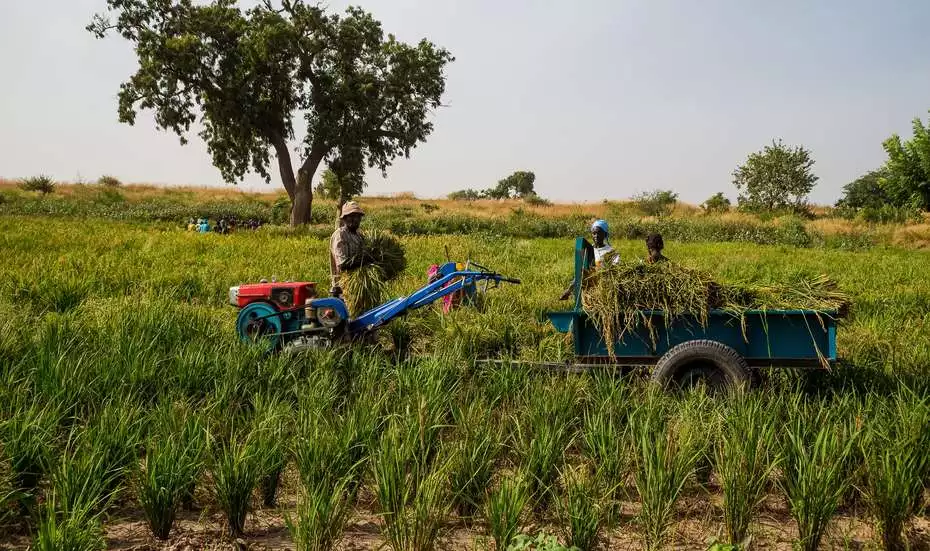
Export Ban Signals New Era for Malian Agriculture
Export Ban Signals New Era for Malian Agriculture.
One-stop reference
Company Intelligence
Every listed company in Latin America — financials, ownership and structure for 1,450+ companies across 26 exchanges, in one place.
Browse the directory →
RT
Ask Rio Times
Latin American markets, currencies and companies.
Open the full Ask Rio Times →

Shea production plays a significant role in Mali’s agricultural sector. The country ranks as the world’s second-largest producer of shea nuts, after Nigeria.

Mali’s annual shea almond production reaches an impressive 100,000 tons. This represents a substantial 8.5% of the nation’s gross agricultural product.

Peanuts are another major crop affected by the export ban. Mali produces around 700,000 tons of peanuts each year. These legumes are vital for both food security and farmer income.

Mali’s Agricultural Strategy

The government believes processing peanuts locally will increase their value. Soybeans and sesame, while produced in smaller quantities, show great potential for growth.

Mali sees an opportunity to develop these crops further through local processing. This could open up new markets and revenue streams for the country.

The suspension of exports will likely cause short-term financial challenges. In recent years, Mali has exported significant amounts of these products.

For instance, shea almond exports reached 60,883 tons in 2019 and 22,908 tons in 2020. The livestock sector, which includes some of the banned products, accounts for nearly 7% of national export revenues.

A Strategic Move for Long-Term Economic Growth

Despite these potential short-term losses, Mali’s government remains optimistic. They believe the long-term benefits of local processing will outweigh the initial setbacks.

The country aims to create a robust agro-industrial sector that can compete globally. This bold move aligns with similar actions taken by other countries in the region.

Neighboring Burkina Faso recently suspended its shea almond exports to promote local industrial development. Mali’s decision reflects a growing trend towards value addition in African agriculture.

The success of this initiative hinges on several factors. Mali must invest in modern processing infrastructure to handle increased production.

The country also needs to train a skilled workforce to operate these new facilities. Finding markets for processed goods will be crucial for sustaining the industry.

Women stand to benefit significantly from this policy change. In Mali, shea production is primarily a female-driven activity. It involves approximately 3 million Malian women.

By promoting local processing, the government could empower more women economically. Mali’s decision to suspend agricultural exports marks a turning point for its economy. While challenges lie ahead, the potential rewards are substantial.

If successful, this move could transform Mali’s agricultural sector and boost overall economic development. The world will be watching closely to see how this bold experiment unfolds in the coming years.

This article was produced by The Rio Times’ automated newsroom system. How we use AI · Report an error

Part of our ongoing coverage

Africa: The New Scramble — the great-power contest over the continent.

More from Western Africa

Read More from The Rio Times

The Rio Times · Power Map
See who really holds power in Latin America
Click to open the Power Map

Rotate for Best Experience

This report is optimized for landscape viewing. Rotate your phone for the full experience.