
EUROPEAN UNION · ANALYSIS
Key Facts
- What is happening EU governments are negotiating a seven-year budget for 2028-2034, and four of them resist Germany’s push to link it to joint borrowing for Ukraine.
- Why it matters The budget needs every member state’s signature, so a single holdout can delay money for farms, regions, defence, Ukraine and external aid from January 2028.
- The numbers The Commission proposed almost €2 trillion, or 1.26% of EU gross national income on average (July 2025), while the Irish Presidency’s box of 10 October 2026 is 8% lower.
- Who is who German Chancellor Friedrich Merz pushes the link, while Slovakia’s Robert Fico and Czechia’s Andrej Babiš lead the resistance, with Hungary and Bulgaria also named.
- What to watch Leaders meet informally in Dublin on 13 November, hold a special summit in Brussels on 26 and 27 November, and return for the December European Council.
- What it means for you US companies selling into Europe should watch the carbon border levy, the defence and space funds, and any delay to payments from 2028.
The EU budget for 2028-2034 is a proposed seven-year spending plan of almost €2 trillion that member states still cannot agree, and four governments resist new joint borrowing for Ukraine. For readers in the United States, the outcome shapes European defence spending, Ukraine financing and the carbon border levy that touches exporters.
The European Union sets its spending in seven-year frameworks called the multiannual financial framework (MFF), and the next one starts in 2028. This analysis explains the proposal, the holdouts and the stakes for trade partners, drawing on the Europe Intelligence Brief of 11 November 2026.
What the Proposal Contains and How the Talks Got Here
The European Commission, the EU’s executive arm, presented the 2028-2034 budget on 16 July 2025. It asked for almost €2 trillion, or 1.26% of EU gross national income (GNI) on average over the period, according to the Commission.
The Council negotiations, where member states bargain, work from the Presidency’s boxes, which are set in constant 2025 prices.
The European Parliament’s research service (EPRS) also puts the proposal at almost €1.8 trillion in constant 2025 prices. That total includes 0.11% of GNI to repay debt from NextGenerationEU (NGEU), the EU’s earlier joint borrowing programme.
The plan replaces many separate programmes with one National and Regional Partnership Plan per member state. The Commission says farm income support is ring-fenced and poorer regions receive at least as much as today.
The Main Building Blocks
The Commission’s own figures for the other headings are listed below, and all are for 2028-2034 unless marked. Euro amounts carry no dollar conversion because the sources used here cite no exchange rate.
- Global Europe Instrument for external action: €200 billion, of which up to €100 billion may go to Ukraine, plus a €15 billion crisis reserve.
- Competitiveness Fund: €131 billion for a defence and space window and €175 billion for Horizon Europe, the EU research programme.
- New own resources, meaning EU-level revenue: about €44 billion a year combined (our sum of the five Commission estimates below).
- NGEU repayment: a fixed amount of about €24 billion a year in current prices, covering interest and principal.
The five proposed revenue sources, in annual averages, are the emissions trading system (about €9.6 billion), the carbon border adjustment mechanism or CBAM (about €1.4 billion), non-collected e-waste (about €15 billion), tobacco excise (about €11.2 billion) and a corporate contribution called CORE (about €6.8 billion). The Commission page gives these estimates, and the €44 billion total is our addition, not an official figure.
How the Council Has Trimmed It
The Cyprus Presidency, which chaired Council talks from January to June 2026, published a first box with figures in June. It proposed €1.73 trillion in 2025 prices, about 2% below the Commission.
Seventeen states calling themselves the “Friends of Cohesion” defend the existing system of regional aid. The Irish Presidency, in office from July to December 2026, then tabled a new box on 10 October.
The EPRS says the Irish box cuts the Commission proposal by 8%, or €141 billion, and sets spending at 1.02% of GNI excluding NGEU repayments. The Irish Presidency’s box puts its total at about €1.62 trillion, and a joint statement from the 17 leaders of the Friends of Cohesion criticised it.
The EPRS adds that the box spares farm and cohesion money within the first heading and keeps the Commission’s new own resources.
Joint Borrowing and the Holdout Governments
Joint borrowing means the EU itself raises money on markets, with member states standing behind the debt together. In December 2025, EU leaders agreed a €90 billion loan for Ukraine for 2026 and 2027 funded this way, according to Euronews.
Hungary, Slovakia and Czechia secured an opt-out from the €90 billion loan in exchange for providing the unanimity, according to Euronews.
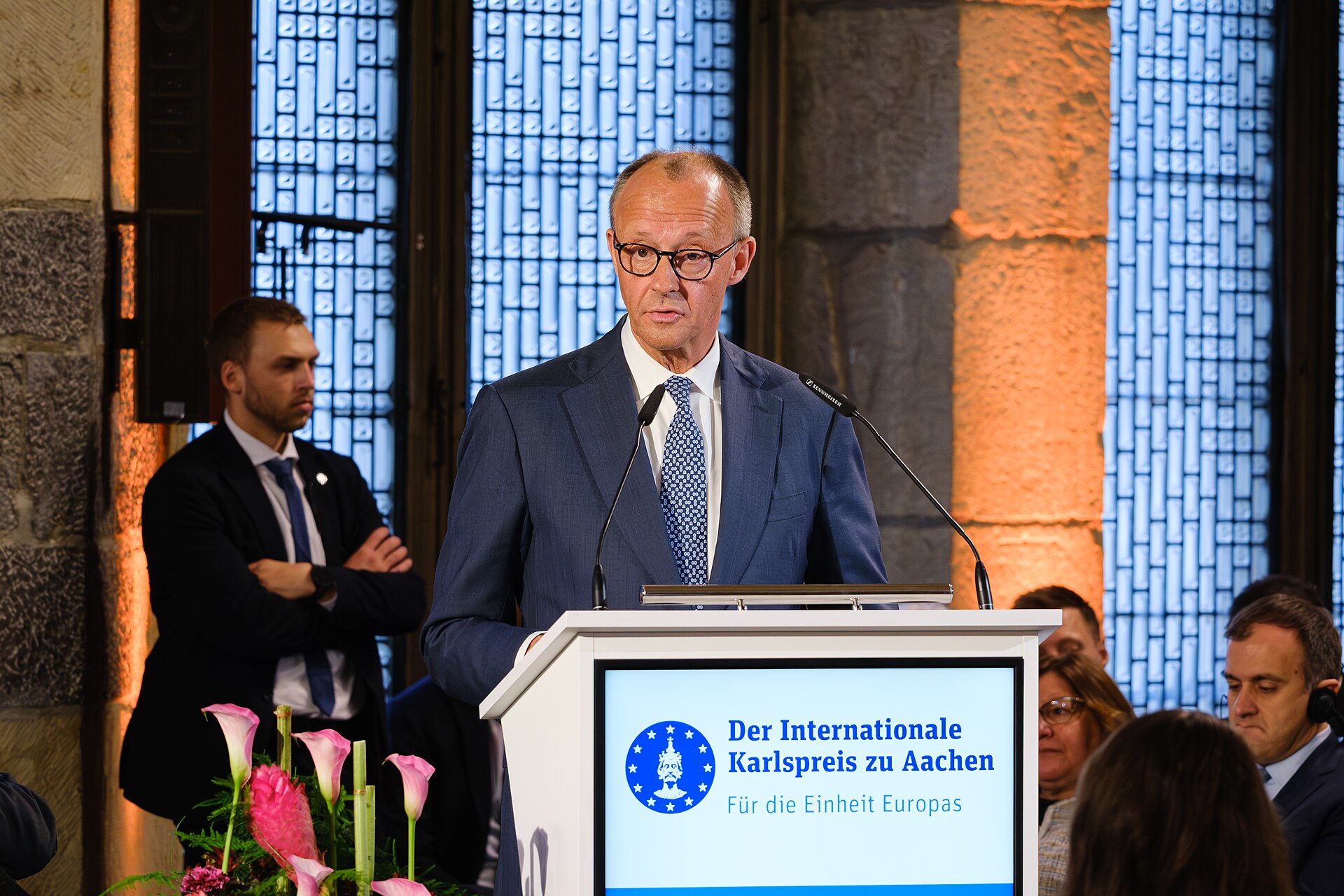
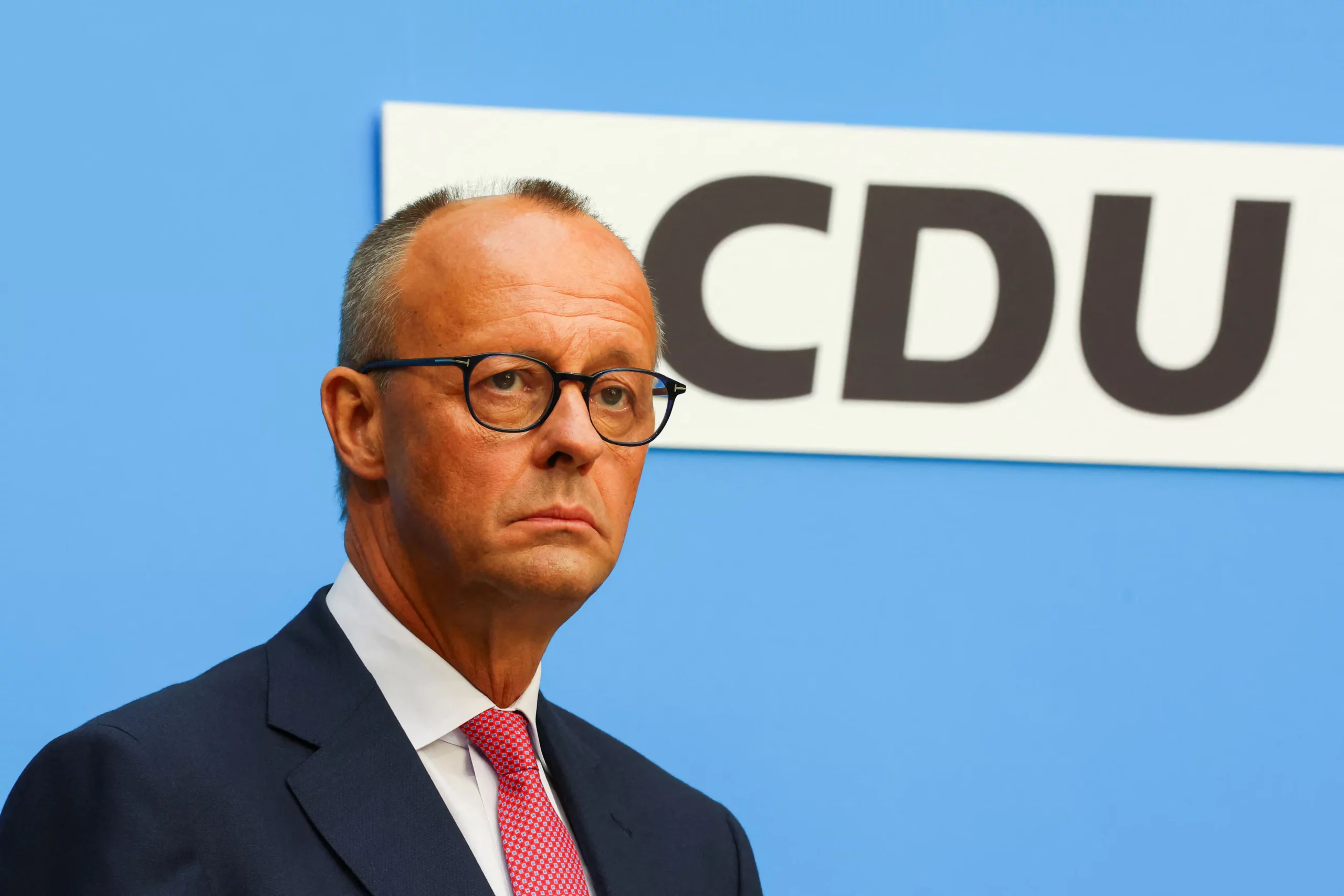
On 10 November, the Rio Times brief reports, four governments were seen opposing German Chancellor Friedrich Merz. The brief names Slovakia’s Robert Fico, Czechia’s Andrej Babiš, Hungary’s Péter Magyar and a figure called Radev, while Euronews names Hungary, Slovakia, Bulgaria and Czechia as the four holdouts.
The two lists differ, with Euronews naming Bulgaria as the fourth holdout. Babiš said Ukraine funding cannot be a precondition for adopting the budget.
Who Is Who
- Friedrich Merz, German Chancellor: wants the 2027 Ukraine gap on the agenda in Dublin and links it to the budget.
- Robert Fico, Slovak prime minister: calls the link “very dangerous”, according to the Rio Times brief.
- Andrej Babiš, Czech prime minister: said Ukraine funding cannot be a precondition for adopting the budget, according to TASR and Euronews.
- Péter Magyar, who leads Hungary’s new government: Hungary reportedly lifted its veto on European Peace Facility reimbursements in June, according to Politico, yet Euronews lists Hungary among those declining to pay more.
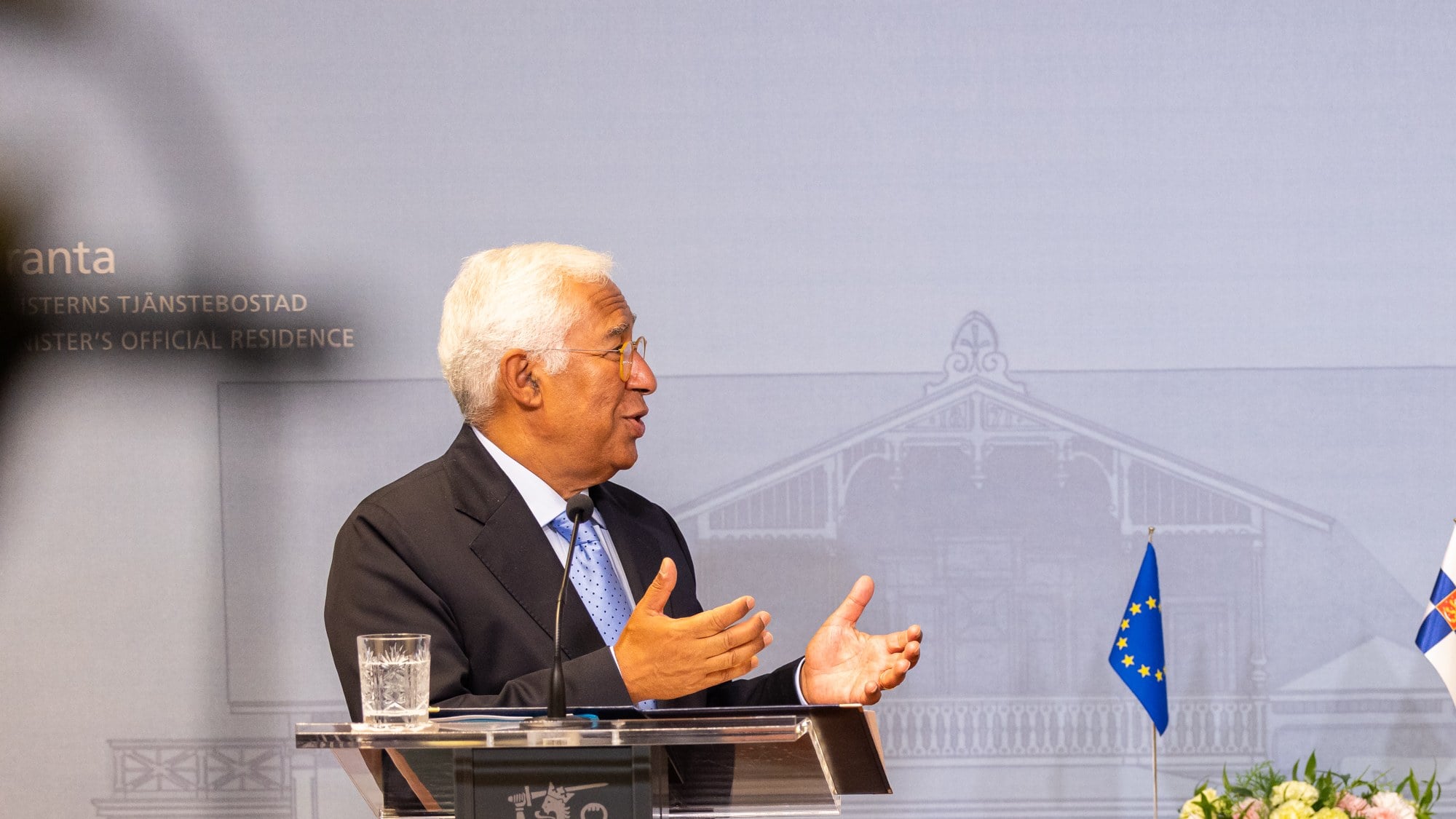
- António Costa, European Council President: the European Council of 15 and 16 October discussed the Irish box, and Merz’s 9 November letter urged him to make Ukraine a priority at the Dublin summit on 13 November.
- Piotr Serafin, EU Commissioner for Budget: criticised the cuts in the Council’s box as a mistake.
The holdouts matter because the budget needs unanimity among member states, and Parliament must also consent. A new Ukraine loan could proceed without the objectors, but the seven-year budget cannot.
Stakes for Trade Partners, Investors and Latin America
The heading that touches trade partners most is Global Europe, the instrument for development cooperation, neighbourhood policy and humanitarian aid. The Irish Presidency’s box cuts the Global Europe heading about 17.4%, to €156.9 billion from €190 billion, a deeper cut than the Cyprus box’s 3.9%.
The same box puts the Global Europe Instrument at €148.9 billion, against €169.5 billion in the Cyprus box and €176.8 billion in the Commission proposal. The Enlargement and Neighbourhood East pillar falls to €32.6 billion from €38.1 billion.
For Latin America and Africa, the honest answer is that the effect is not measured yet. No research available here covers Mercosur, EU-Africa funding lines or the Global Gateway share, so any loss is a risk to watch, not a number.
The own resources link trade to the budget more directly. The Commission proposes CBAM, the EU’s carbon border levy, and the emissions trading system as revenue sources, worth about €1.4 billion and €9.6 billion a year. Our reading, not a sourced finding, is that this ties the budget to the levy that exporters to the EU face.
For investors and companies, the defence and space window of €131 billion and Horizon Europe’s €175 billion are the lines most open to outside suppliers and research partners. Both sit in the Competitiveness Fund, which the Cyprus box cut mainly, according to the research used here.
Three Scenarios
These are scenarios, not forecasts. In the first, leaders keep the Ukraine gap separate from the seven-year budget, a new loan proceeds without the objectors, and a compromise lands between the Irish box and the Commission before the end of 2026.
What would stabilise this path is the fact that the Irish box spares farm and cohesion money, which keeps large blocs of states on board. A deal by year end would let legislation pass in 2027 and money flow from January 2028.
In the second scenario, Merz keeps the link and Fico, Babiš and others hold their vetoes on the whole budget. Talks would then slip into 2027, and the risk is a gap in payments after the current framework ends.
In the third, member states agree among themselves but Parliament withholds consent.
What It Means for You
A US company selling goods into Europe should treat CBAM and the emissions trading system as part of the budget story, because both are proposed as EU revenue. A US firm bidding for European defence, space or research work should watch the Competitiveness Fund lines, which are still being negotiated.
For US investors, the practical risk is delay and not a headline number. Without agreement the new framework cannot start on time, and the Ukraine financing question will keep returning to leaders’ tables through December.
What Is Not Known
The final total and the split between agriculture, cohesion and Global Europe are not known. Nor is it clear whether the new own resources will survive, because none of the sources read here covers their fate.
Finally, no source says whether any holdout will block the unanimous vote. The regional effect on Latin America and Africa is also unmeasured.
What to Watch
- 13 November 2026: informal leaders’ meeting in Dublin, where Merz wants the Ukraine gap on the agenda.
- November 2026: Parliament aims to adopt all MFF reports in committee during its second part-session, according to the EPRS.
- 26 and 27 November 2026: special European Council in Brussels on the MFF and 2027 Ukraine funding, with an updated negotiating document planned beforehand.
- December 2026: European Council, where the MFF is due to return.
- End of 2026: target for a political deal; January 2028: start of the new period.
Frequently Asked Questions
How big is the EU budget for 2028-2034?
The Commission proposed almost €2 trillion, or 1.26% of EU gross national income on average, in July 2025. The Irish Presidency’s box of 10 October 2026 is 8% below the Commission proposal.
What is joint borrowing in the EU budget talks?
It means the EU raises money together and member states stand behind the debt. Leaders agreed a €90 billion loan for Ukraine for 2026 and 2027 this way in December 2025.
Which governments oppose Merz’s budget link?
The Rio Times brief names Slovakia’s Robert Fico, Czechia’s Andrej Babiš, Hungary’s Péter Magyar and Radev. Euronews lists Hungary, Slovakia, Bulgaria and Czechia as the four holdouts.
When will the EU agree its 2028-2034 budget?
The target is a political deal by the end of 2026, so legislation can pass in 2027. Leaders meet in Brussels on 26 and 27 November and again at the December European Council.
Can one country block the EU budget?
The budget needs unanimity among member states, while a new Ukraine loan could proceed without the objectors. Parliament must also consent to the budget regulation.
What does the budget mean for Latin America and Africa?
The Irish box cuts the Global Europe heading about 17.4%, to €156.9 billion from €190 billion. No regional breakdown is available, so the effect on Latin America and Africa is not yet measured.
Sources: riotimesonline.com, commission.europa.eu, newunionpost.eu, agenceurope.eu, data.consilium.europa.eu, irish-presidency.consilium.europa.eu. Retrieved 11 November 2026.
This article was produced by The Rio Times’ automated AI newsroom. Editorial responsibility: Matthias Camenzind, Publisher and Editor-in-Chief. The Rio Times also runs Ask Rio Times, which answers from 100,000+ of our own articles, the daily Latin America Power Map, and prediction-market odds on elections and markets.. How we use AI · Report an error
LatAm Markets: Live Signals → — real-time movers, turnover leaders and FX across Latin America.