African airlines have faced significant challenges over the years. This is illustrated starkly by a quick glance at global air traffic maps.
Africa is seen with sparse aircraft movements compared to the dense skies over Europe, North America, and parts of Asia.
Despite holding a mere 2% of the global air travel market—a figure that has remained static for the past two decades.
There are promising signs of resurgence among some leading African carriers. Ethiopian Airlines, the continent’s largest carrier, has demonstrated remarkable resilience and growth.
Under the leadership of CEO Mesfin Bekele, the airline is on track to achieve a 30% increase in passenger numbers and a 20% rise in revenues by the end of June 2024.
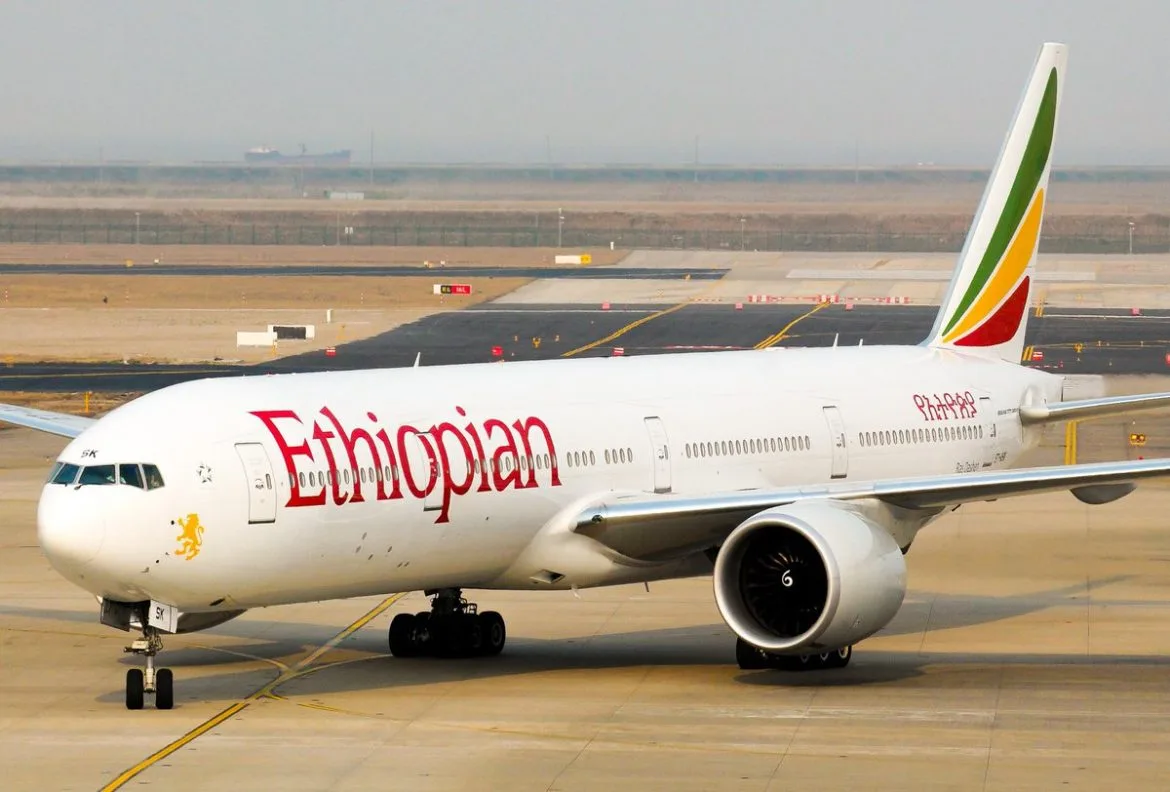
Ethiopian Airlines aims to double its fleet size and expand its route network by 2035. This initiative aims to solidify its dominant position in African aviation.
Kenya Airways, another major player, is showing signs of recovery after a prolonged period of financial distress.
In 2023, the airline reported its first operating profit in seven years, although it continues to struggle with tax obligations and debt payments.
This marks a crucial step towards financial stability and a potential turnaround for the airline.
Challenges and Strategic Initiatives
South African Airways (SAA) remains a significant name in African aviation. However, it faces financial woes and has suspended several routes.
As a member of the Star Alliance, SAA is working diligently to stabilize its operations and reestablish its presence in the market.
Other notable airlines contributing to the African aviation landscape include Tunisair, Air Algérie, and Royal Air Maroc. These carriers boast extensive networks and substantial fleet sizes.
Tunisair, for instance, operates flights to over 100 destinations globally, playing a vital role in regional and international connectivity.
Additionally, initiatives like the “Leadership for Africa” program, funded by the German Academic Exchange Service (DAAD), are bolstering the industry’s development.
This program supports educational opportunities for future leaders in the aviation sector from East, West, and Central Africa, fostering essential skills for the industry’s growth and sustainability.
In summary, African airlines continue to face significant challenges. Strategic efforts by Ethiopian Airlines, Kenya Airways, and South African Airways, supported by educational programs, suggest potential growth and revival.
More: Ethiopia news in English, every day from The Rio Times.
This article was produced by The Rio Times’ automated newsroom system. How we use AI · Report an error · Editorial responsibility: Matthias Camenzind, Editor-in-Chief
Part of our ongoing coverage
Africa: The New Scramble — the great-power contest over the continent.
Horn of Africa and the Red Sea
- Horn of Africa 2026: Why It Matters and Who Backs Whom
- Ethiopia’s Neighbors Explained, Ports, Eritrea, Somalia
- Eritrea Explained 2026, a Red Sea Country Guide
- Somalia Explained: Al-Shabaab, Somaliland, the Ports and the Fight Over a 2026 Vote