El Niño Brings Record Heat to Peru, Rain Warnings to Ecuador
PERU & ECUADOR · WEATHER
Key Facts
-
—
What happened. Peru’s northern coast hit a historic 36.5°C in Tumbes, its hottest reading on record. -
—
How big, in Peru. Senamhi says temperatures could still climb toward 40°C, with a heat sensation near 42°C, in Piura and Tumbes. -
—
What’s happening in Ecuador. Inamhi’s coast, highlands and Amazon forecast brings up to 90mm of rain and storms through 16 September. -
—
The catch. Both extremes trace to the same coastal El Niño event now warming the eastern Pacific. -
—
Who it affects. Farmers, coastal residents and outdoor workers across Peru’s north and Ecuador’s coast and Amazon. -
—
What comes next. Senamhi expects an “extraordinary” El Niño to persist from September 2026 into early 2027.
A Historic Reading on Peru’s Coast
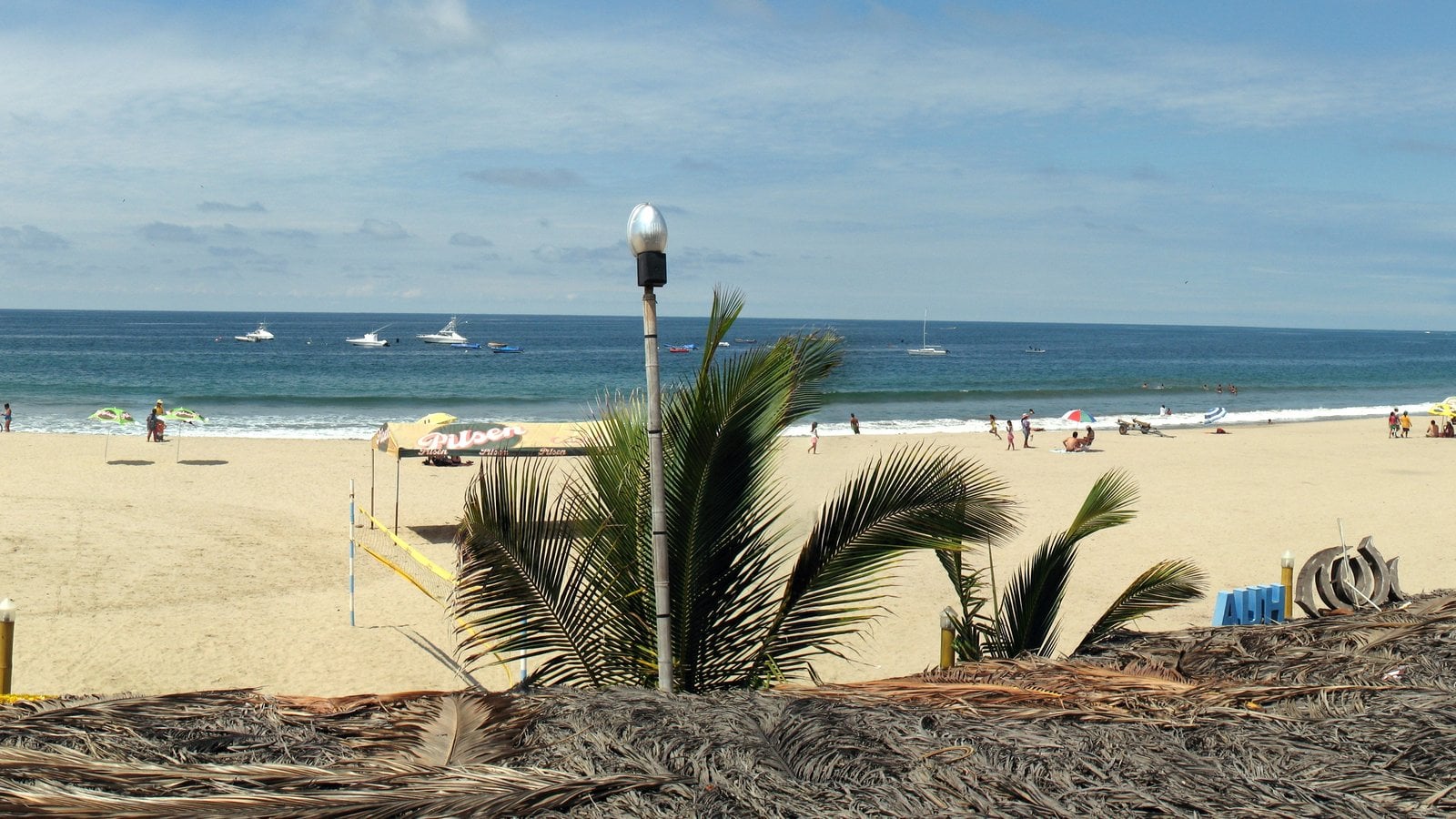
Peru’s weather service, Senamhi, confirmed a new all-time high for the northern coast this month. A military outpost in Zarumilla, Tumbes, hit 36.5°C on 5 September.
That reading beat the previous record set during the 2023 El Niño and sat roughly 9.5°C above normal. Other towns nearby broke their own historical marks the same week.
Jayanca, in Lambayeque, hit 35.8°C on 3 September, well past its old record of 34.2°C from 1997. Lancones, in Piura, reached 35°C on 5 September, above its previous high of 34.6°C set in 2019.
Even Peru’s far south felt it. La Yarada-Los Palos, in Tacna, hit 26.1°C, edging past a 1997 record of 25.2°C.
More Heat Still to Come
Senamhi says the warming trend has not peaked. It expects temperatures to keep climbing between 16 and 19 September, with low cloud cover and strong sun driving the increase.
Piura and Tumbes were already sitting near 37.4°C, roughly eight to nine degrees above normal for the season. Senamhi meteorological specialist Nelson Quispe Gutiérrez said actual readings could reach 40°C.
He added that the heat sensation, factoring in humidity, would feel closer to 42°C. Senamhi is urging extra care for children and older adults through the coming weeks.
The heat is not confined to the far north. Lima has logged an unusually long stretch of warm days this year.
Some readings there have run as much as 9°C above normal for the season.
Senamhi has linked that stretch to the same coastal El Niño pattern now intensifying farther north. Forecasters expect the capital to stay warmer than usual well into the coming weeks.
Ecuador: Rain Across Three Regions
Ecuador’s Inamhi, the national meteorology and hydrology institute, issued a forecast running from 14 to 18 September. It covers heavy rain across the coast, the highlands and the Amazon at the same time.
On the coast, the heaviest storms are expected in Santo Domingo de los Tsáchilas, Los Ríos and interior Esmeraldas. Parts of Guayas and Manabí are also in range, with the worst of it overnight into 16 September.
Inamhi’s Meteorological Alert 70 stayed active through 10 a.m. on 16 September for the coast and the Amazon. Daily rainfall in the north and central coast could reach up to 90mm, with thunderstorms and gusty wind.
In the Amazon, rain is expected across most of the region, heavier in the central and southern zones. In the highlands, Imbabura, Pichincha and Loja face very high temperatures and strong radiation even as rain falls elsewhere.
The western slopes of the Andes, including Cotopaxi and Bolívar, are due for the heaviest highland rain. The eastern slopes, covering Azuay, Cañar and Tungurahua, should see lighter totals.
One Ocean, Two Different Emergencies
Peru’s heat and Ecuador’s rain are not separate stories. Both trace back to a coastal El Niño event warming the eastern Pacific along the Andean coastline.
Warmer coastal waters raise air temperatures on Peru’s desert coast, where skies usually stay dry. The same warm ocean feeds extra moisture into Ecuador’s coast, highlands and Amazon, producing the storms Inamhi is now tracking.
Authorities in both countries describe the phenomenon as unusually strong for this early in its cycle. Peruvian officials have called the developing event potentially “extraordinary” in magnitude.
How Long This Will Last
Peruvian authorities expect the coastal El Niño to run from September 2026 through January 2027 at extraordinary strength. They say it could stay strong to extraordinary as late as March 2027.
Senamhi projects the very hottest conditions on Peru’s north coast will actually arrive later, next February and March. That timing suggests this month’s records are an early signal, not the peak.
Ecuador’s Inamhi updates its alerts every few days as the pattern shifts. Coastal and Amazon residents should expect the current warnings to be renewed or adjusted through the rest of September.
What is a coastal El Niño?
It is a warming of surface waters off the coast of Peru and Ecuador, distinct from the broader Pacific-wide El Niño. It tends to bring heat to Peru’s coast and heavy rain to Ecuador at the same time.
Is this the same event as 2023?
It is a new event, though several of this month’s Peruvian records broke marks set during 2023’s coastal El Niño. Officials consider the current one potentially stronger.
Which areas should be most careful right now?
In Peru, that is Tumbes and Piura on the far north coast. In Ecuador, it is the coastal provinces and the Amazon under the active rain alert.
Sources: Senamhi, Inamhi, Infobae, El Comercio (Ecuador).
This article was produced by The Rio Times’ automated newsroom system. How we use AI · Report an error
Read More from The Rio Times