Nigeria Urges EgyptAir to Stop Deploying Ageing Aircraft on Nigerian Routes
Key Facts
- —What happened Nigeria’s aviation minister Festus Keyamo urged EgyptAir on 10 September 2026 to stop using ageing aircraft on Nigerian routes and deploy newer jets instead.
- —Where it happened The appeal was made at a bilateral meeting with Egypt’s civil aviation minister Sameh El-Hefny on the sidelines of the El-Alamein International Airshow 2026 in Egypt.
- —The wider goal Nigeria wants stronger air connectivity and more airline capacity, with fleet modernisation seen as a way to improve passenger experience, efficiency and competitiveness.
- —The market backdrop Keyamo said in 2025 that about 98 percent of aircraft used by Nigerian airlines are leased, with only about 2 percent owned outright.
- —EgyptAir’s position The carrier has been modernising its fleet, adding Airbus A350s in 2026 and having already retired or sold older types such as its A220s.
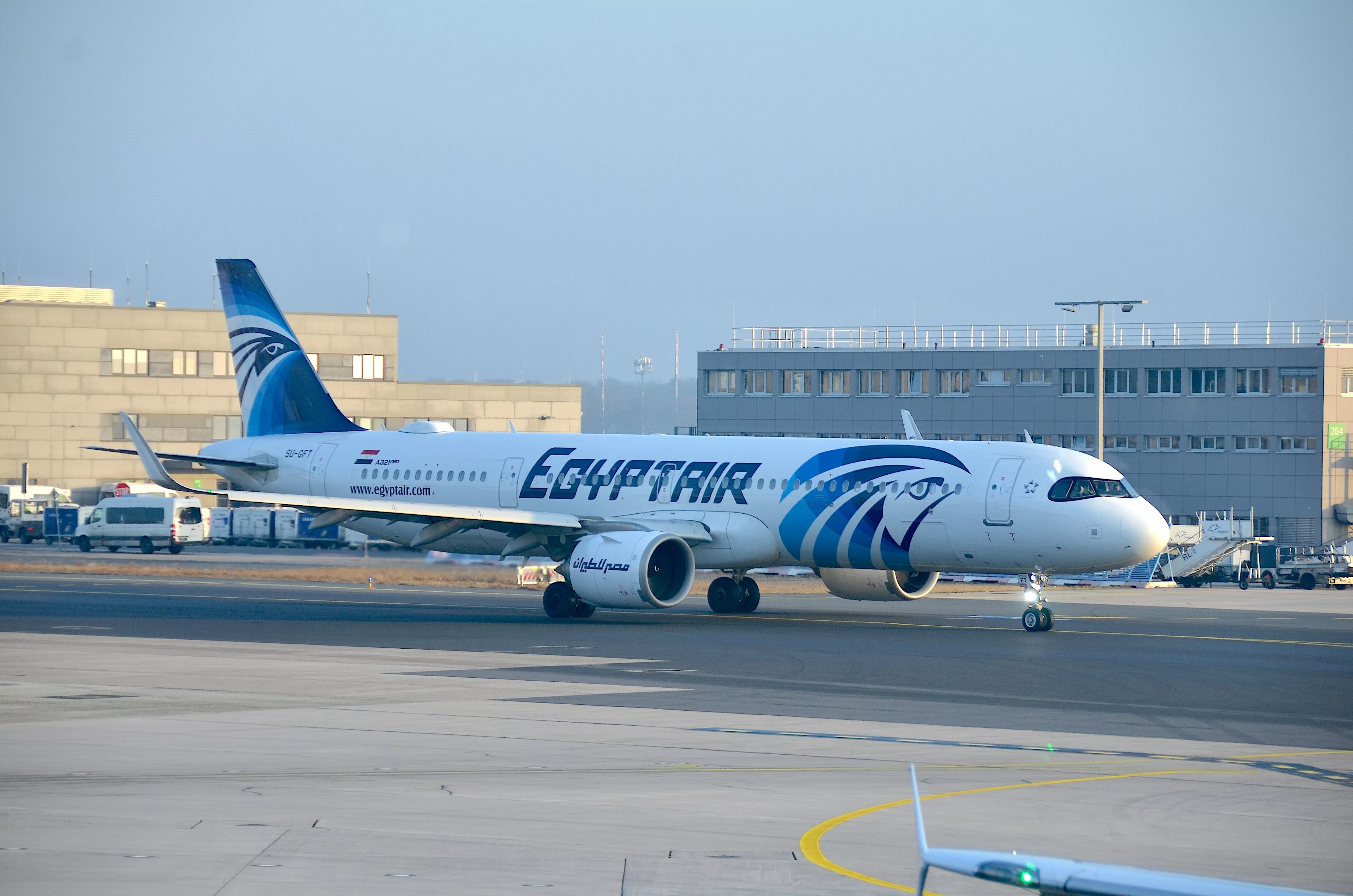
Nigeria’s aviation minister Festus Keyamo has formally urged EgyptAir to stop deploying ageing aircraft on Nigerian routes and replace them with newer jets, a move aimed at improving passenger experience and route competitiveness.
Nigeria’s aviation minister Festus Keyamo has asked EgyptAir to stop using older aircraft on Nigerian routes and deploy newer jets instead. The request came during a bilateral meeting with Egypt’s civil aviation minister Sameh El-Hefny on 10 September 2026.
What Keyamo asked EgyptAir to do
The meeting took place on the sidelines of the El-Alamein International Airshow 2026 in Egypt. Keyamo framed the appeal around passenger experience, efficiency and competitiveness on Nigerian routes.
He said fleet modernisation would directly benefit travellers flying between Nigeria and Egypt. The request signals Abuja’s willingness to press foreign carriers on the quality of aircraft they assign to Nigerian destinations.
Keyamo did not name specific aircraft types in his public appeal. But the message was clear: Nigeria wants newer equipment, not hand-me-downs, on routes serving its citizens and expatriates.
The leasing squeeze behind Nigeria’s aviation push
Nigeria’s aviation market is structurally dependent on leased aircraft. Keyamo said in 2025 that about 98 percent of aircraft used by Nigerian airlines are leased, with only about 2 percent owned outright.
That heavy reliance on lessors leaves Nigerian carriers exposed to global leasing costs and availability. It also explains why Abuja is pushing foreign operators to bring better hardware into the market.
The government has shown it will intervene aggressively in aviation capacity questions before. In 2023, Keyamo suspended the Nigeria Air project after criticising the use of a borrowed aircraft at its launch.
EgyptAir’s own fleet modernisation
EgyptAir itself has been modernising its fleet. Public reporting in 2026 said the carrier was adding Airbus A350s and targeting a larger overall fleet.
Earlier reporting showed EgyptAir had already retired or sold older aircraft types such as its A220s in a fleet-restructuring push. That suggests the airline is already moving in the direction Keyamo wants.
The question is whether the carrier will prioritise Nigerian routes for its newest equipment. For expats and business travellers, the difference between an ageing cabin and a new A350 is tangible.
Who gains and who loses
Nigerian passengers and expatriates stand to gain if EgyptAir rotates newer aircraft onto Lagos and Abuja routes. Better cabins, fewer delays and improved efficiency would follow.
EgyptAir faces a commercial calculation: assigning newer jets to Nigerian routes may mean pulling them from elsewhere. The carrier must weigh Nigerian government pressure against its broader network needs.
Nigerian airlines could also benefit indirectly. If foreign carriers raise their game, domestic operators face stronger pressure to improve their own fleets and service standards.
The wider contest over African aviation capacity
The dispute sits inside a broader contest over aviation capacity, aircraft leasing access and route influence between African states and foreign lessors. Nigeria is not alone in wanting better equipment on its routes.
African governments increasingly see aviation as a strategic sector, not just a commercial one. The ability to attract modern aircraft is tied to tourism, trade and diplomatic leverage.
This fits the pattern covered in Africa: The New Scramble, where infrastructure and connectivity are emerging as key fronts in the continent’s economic contest.
What to watch next
The immediate question is whether EgyptAir responds publicly to Keyamo’s request. No formal commitment has been announced.
Travelers on Nigerian routes should watch for aircraft type changes in EgyptAir’s schedule. A shift to A350s on Lagos or Abuja services would signal that the appeal landed.
Longer term, Nigeria’s push for fleet modernisation may extend to other foreign carriers. The government has shown it is willing to use diplomatic channels to press for better service.
More: Nigeria news in English, every day from The Rio Times.
Frequently asked questions
What did Nigeria’s aviation minister ask EgyptAir to do?
Festus Keyamo urged EgyptAir on 10 September 2026 to stop using ageing aircraft on Nigerian routes and deploy newer jets instead.
Where did the Nigeria-EgyptAir meeting take place?
The bilateral meeting took place on the sidelines of the El-Alamein International Airshow 2026 in Egypt, with Egypt’s civil aviation minister Sameh El-Hefny.
Why does Nigeria want newer aircraft on its routes?
Keyamo said fleet modernisation would improve passenger experience, efficiency and competitiveness, while Nigeria seeks stronger air connectivity and more airline capacity.
Connected Coverage
Sources
This article was produced by The Rio Times’ automated newsroom system. How we use AI · Report an error · Editorial responsibility: Matthias Camenzind, Editor-in-Chief
LatAm Markets: Live Signals → — real-time movers, turnover leaders and FX across Latin America.