
EGYPT · NUCLEAR POWER
Key Facts
- The country Egypt is a North African nation of over 110 million people, led by President Sisi since 2014.
- What happened On Wednesday 28 October 2026 Sisi asked Putin in the Kremlin for new Russian reactors after 2030.
- The plant El-Dabaa on the Mediterranean coast will have four Russian reactors producing 4,800 megawatts.
- The schedule Russia’s nuclear agency says fuel arrives in early 2027 and the first units join the grid in 2028.
- Why it matters Nuclear power would cut Egypt’s reliance on gas, and the US watches Russia’s reach in Africa.
Egypt’s President Abdel Fattah el-Sisi asked Russia’s President Vladimir Putin on Wednesday 28 October 2026 to expand the Egypt nuclear program after 2030. The two men met in the Kremlin in Moscow, on the sidelines of the third Russia-Africa Summit.
The talks matter to US readers because Russia is tied deeply into Egypt’s power supply, and Egypt receives large US military aid. Sisi also promised to keep paying for the El-Dabaa plant on schedule.
What Sisi Asked For in Moscow
Sisi told Putin that Egypt wants to install new power units after 2030, which would add to the four reactors already under construction. He also asked for help to build a research reactor and a testing centre.
Egypt is further interested in small modular reactors, which are compact plants built in factories, and in floating nuclear power stations. Sisi added that Cairo wants to work with Russia on mining uranium and rare metals.
The El-Dabaa Plant Explained
El-Dabaa is the Egypt nuclear plant that will be the country’s first, about 320 kilometers (200 miles) north-west of Cairo. It will have four Russian VVER-1200 reactors with a combined output of 4,800 megawatts.
Rosatom, Russia’s state nuclear corporation, signed the contracts in 2017 and is building the plant. Under those deals Russia also supplies the nuclear fuel for the whole life of the plant and helps run it for the first 10 years.
Where Construction Stands
Sisi reaffirmed Egypt’s commitment to the schedule, and on 9 July 2026 workers installed the reactor pressure vessel in the second unit. The vessel is the steel container that holds the reactor core, and the first unit received its own in November 2025.
Rosatom’s director general, Alexei Likhachev, said in July that more than 25,000 people work on site every day, over 18,000 of them Egyptians. He said the site should be ready for nuclear fuel in the first half of 2027, with the first units joining the grid in 2028.
Payments and the Wider Russian Relationship
Sisi said Egypt is making every effort to meet its payment obligations on the Egypt nuclear project. He wants to keep the current schedule and asked for Putin’s support so both sides meet their deadlines.
Putin said trade between the two countries passed US$10 billion in 2025 and rose 14 percent in the first eight months of 2026. More than 1.2 million Russian tourists visited Egypt in the first half of this year, after about 1.5 million in all of 2025.
The Russian Industrial Zone
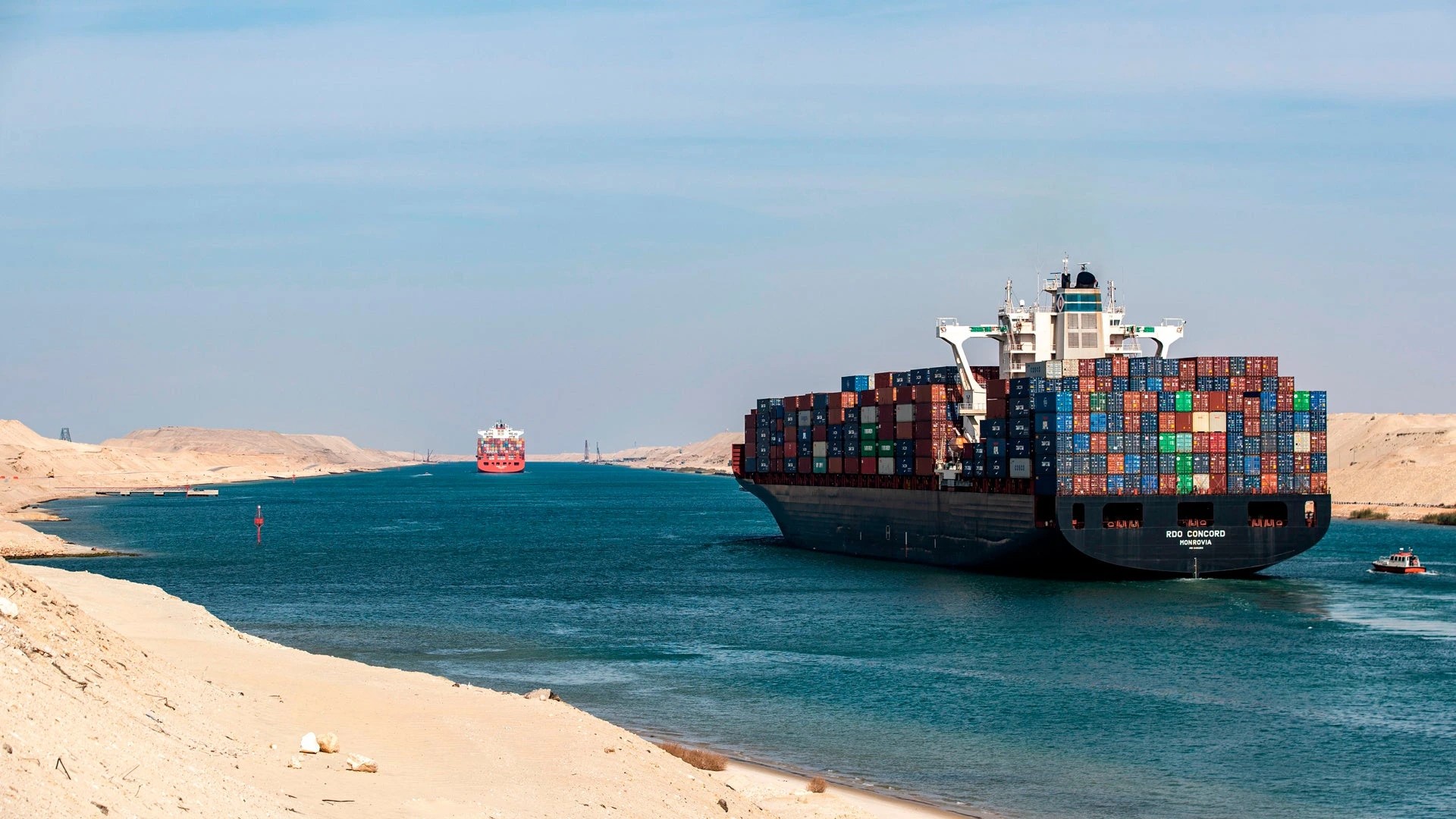
Sisi also asked for backing for a Russian industrial zone in the Suez Canal Economic Zone, a state-run area of ports and factories. He said Egypt is ready to give the Russian managing company all necessary incentives, benefits and support.
The Rio Times reported earlier that Egypt had advanced the Russian Suez zone in October. The 16th meeting of the joint Russian-Egyptian economic commission is planned in Egypt in 2027.
What It Means for US Readers
Egypt is among the largest recipients of US military aid, so a deep Russian role in its power sector interests Washington. An Egypt nuclear plant built, fueled and serviced by Russia gives Moscow a long-term presence in the country for decades.
For investors, nuclear power could free up natural gas that Egypt now burns for electricity and might otherwise export. Any new Egypt nuclear deal with Russia would also need to be checked against US and European sanctions.
What Is Not Known
No price, number of reactors or site has been announced for the Egypt nuclear units Sisi wants after 2030. Russia has not said whether it agrees, and no contract was signed at the meeting.
It is not yet clear how Egypt will pay for further reactors while it manages heavy foreign debt. The two governments have also not said whether the small and floating reactors are formal projects or ideas for later talks.
More: Egypt news in English, every day from The Rio Times.
Frequently Asked Questions
What did Sisi ask Putin for on 28 October?
He asked for new Russian reactors after 2030, a research reactor and small modular reactors. He also raised floating nuclear plants and uranium mining.
What is the El-Dabaa nuclear plant?
It is the Egypt nuclear plant that will be the first in the country, with four Russian reactors producing 4,800 megawatts. It sits on the Mediterranean coast north-west of Cairo.
When will El-Dabaa start producing power?
Rosatom says fuel should arrive in the first half of 2027. The first units are due to join the grid in 2028.
Who is paying for the plant?
Sisi said Egypt is making every effort to meet its payment obligations. Neither government has given new figures on the payments.
Why does the US care about this deal?
Russia would supply fuel and support for decades in a close US partner. It adds to Russia’s reach across Africa and the Middle East.
Sources: Kremlin: conversation with President of Egypt Abdel Fattah el-Sisi, 28 October 2026, 28 October 2026; Rosatom: reactor pressure vessel installed at El-Dabaa unit 2, 9 July 2026, 9 July 2026.
This article was produced by The Rio Times’ automated newsroom system. How we use AI · Report an error · Editorial responsibility: Matthias Camenzind, Editor-in-Chief