
EGYPT · GOLD · SECURITY
Key Facts
- What happened Egypt’s army spokesman gave results of its gold crackdown on Thursday, 5 November 2026.
- The numbers Across three phases so far, 691 people were held, 151 Egyptians and 540 foreigners, and 4,488 tents seized.
- New detail The spokesman said all operations are inside Egyptian borders.
- Next Phase four starts Saturday, 7 November, in the Eastern Desert between the Nile and the Red Sea.
- Open question Sudanese groups blame Egyptian aircraft for deadly October strikes; Egypt says it acts only inside its borders.
Egypt’s army says 691 people were held and 4,488 tents seized in the first three phases of its gold crackdown in the Eastern Desert. The military spokesman, Colonel Ahmed Otman, gave the figures at a press conference on Thursday, 5 November 2026.
He also said all operations are inside Egyptian borders. A fourth phase of the campaign starts on Saturday, 7 November.
What the Army Announced
Colonel Ahmed Otman, the spokesman for Egypt’s armed forces, presented the results on Thursday evening, 5 November 2026. He reviewed the first three phases of the campaign, from 14 June to 29 October 2026.
Across those phases 691 people were arrested, 151 Egyptians and 540 foreigners, and 4,488 tents used by illegal prospectors were seized. Gold mining in Egypt needs a state licence, and the areas swept include concessions held by licensed companies.
Earlier tallies were smaller: the army reported 223 people held around 22 June, in the first days of the campaign. The new total of 691 covers the three phases so far.
Where the Gold Crackdown Has Struck
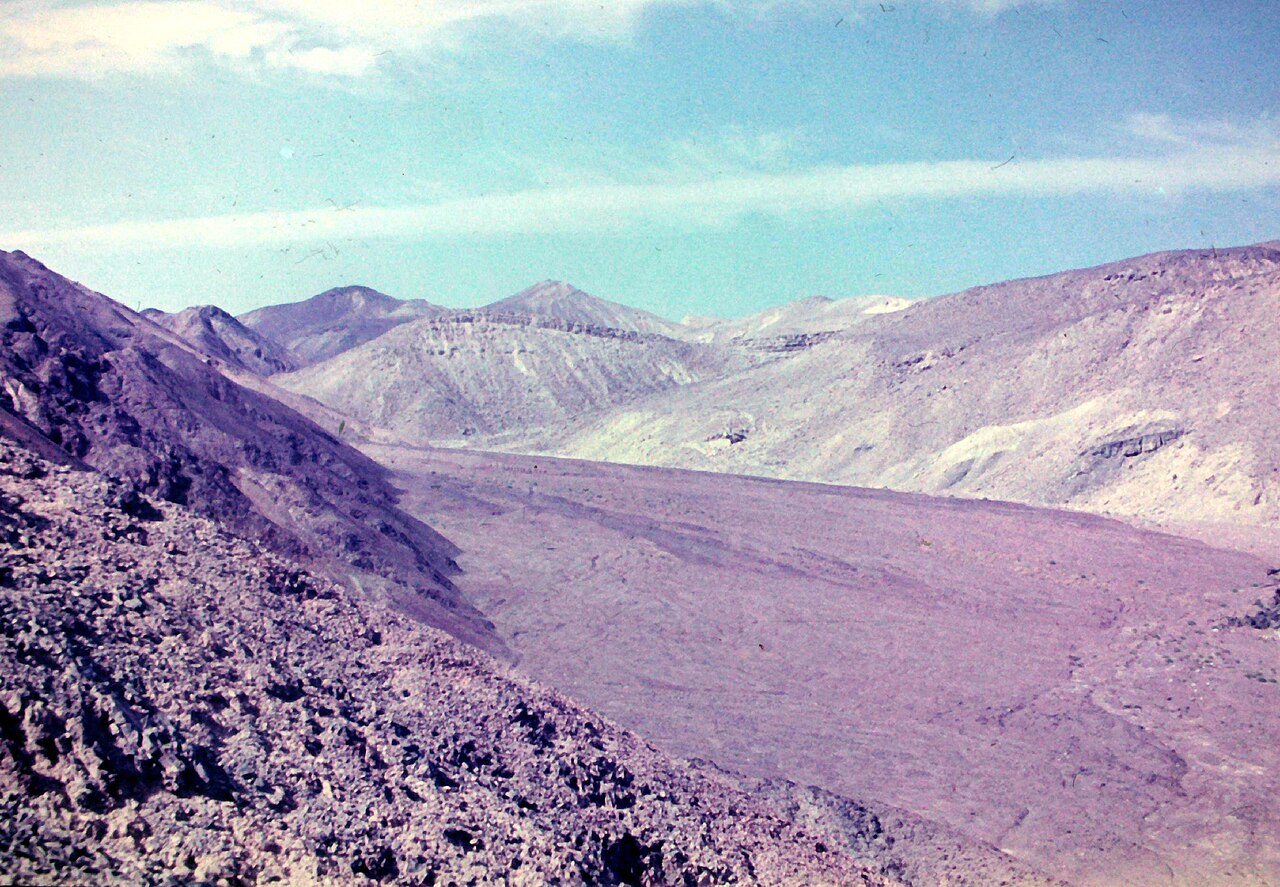
Phase one, 14 to 30 June, covered two zones, one west of Marsa Alam, a Red Sea town, and one at Jebel Ieqat. The first lies more than 350 kilometres (220 miles) from the southern border and holds two concession sites covering 1,825 square kilometres.
Jebel Ieqat lies north of latitude 22, inside Egyptian borders, and includes one company’s gold concession. Phase two, from 31 July to 18 August, covered Wadi Dabbour, about 200 square kilometres, and Al-Baramiya, 2,300 square kilometres with five concession sites.
Phase three, from 12 to 29 October, re-swept areas covered in the first two phases.
Warnings and Border Patrols
The spokesman said 6,614 people turned themselves in at checkpoints before the campaign began. He said the campaign follows orders from the armed forces’ general command to protect the state, its territory and national resources.
He added that no country can seal its borders completely, but that this does not mean tolerating illegal activity. Border guard patrols and mobilization units are being stepped up to keep the groups from returning.
The Sudan Border Question
Sudanese miners and rights groups said air strikes hit gold mines inside Sudan near the border on Saturday, 10 October. Reported tolls run from 13 to at least 200 dead, and none is independently confirmed, as our report on Sudanese miners’ air-strike claims shows.
On 12 October Egypt’s army neither confirmed nor denied strikes in Sudan, and said it acts to impose full sovereignty within Egypt’s borders. On 5 November the spokesman repeated that all operations are inside Egyptian borders, a stance we covered in phase three of the crackdown.
In Plain English, Who Is Who
The Eastern Desert is the rocky desert between the Nile Valley and the Red Sea, with gold workings from ancient times. A concession is a state-licensed zone where a company may mine, as our guide to Egypt’s natural resources explains.
The armed forces spokesman is the army’s official voice and announces campaign results. Sudan’s army-led government and the Rapid Support Forces, a rival paramilitary group, have been at war since April 2023.
What It Means for You
Egypt is a close US security partner that receives about US$1.3 billion a year in US military aid. How its forces use air power near Sudan therefore matters in Washington.
Investors in Egyptian mining and travelers heading to the Red Sea coast near Marsa Alam should follow official security advice. The army says the operations aim to protect national resources.
What Is Not Known
It is not clear what charges or court cases the 691 people face, or what nationalities the 540 foreigners hold. Thursday’s figures gave no casualty count.
It is also unclear how the army’s account fits with Sudanese reports of deadly October strikes on Sudanese soil. Independent confirmation of the tolls on either side is not available.
More: Africa news in English, every day from The Rio Times.
Frequently Asked Questions
What Did Egypt’s Army Announce?
On 5 November 2026 it said 691 people were held and 4,488 tents seized in the first three phases of its Eastern Desert gold crackdown. It also announced phase four from Saturday, 7 November.
When Does Phase Four Start?
The spokesman said it begins on Saturday, 7 November 2026 in the Eastern Desert. Border patrols are being increased to keep armed groups from returning.
Did the Army Strike Targets in Sudan?
Egypt says all its operations are inside Egyptian borders. Sudanese groups say Egyptian aircraft killed miners in Sudan in October, but those claims are not independently confirmed.
Is Gold Mining Illegal in Egypt?
Mining needs a state licence, and the campaign targets prospectors working without one. Licensed companies hold concessions in the swept areas.
Sources: Egyptian Armed Forces spokesman, press conference on the gold campaign results, 5 November 2026; Egyptian Armed Forces spokesman, statement on phase three, 12 October 2026; Sudan Doctors Network and Emergency Lawyers, tolls for the 10 October strikes, October 2026.
Editorial responsibility: Matthias Camenzind, Editor-in-Chief · Editorial standards · Report an error