EFTA and UAE: Brazil’s New Trade Frontiers for 2025
As the world braces for potential trade turbulence, Brazil is positioning itself as a key player on the global economic stage. With Donald Trump’s possible return to the White House looming, the South American giant is taking proactive measures.
It is diversifying its trade partnerships to safeguard its economic interests. Brazil’s trade strategy for 2025 prioritizes two key agreements.
One is with the European Free Trade Association (EFTA), and the other is with the United Arab Emirates (UAE). These deals could reshape Brazil’s economic landscape and offer a buffer against potential US trade volatility.
The EFTA agreement, encompassing Switzerland, Norway, Iceland, and Liechtenstein, presents a gateway to wealthy markets. With EFTA‘s combined imports of €330.7 billion in 2023, this deal could significantly boost Brazil’s export potential.
However, negotiations face hurdles, particularly in intellectual property rights and environmental protection clauses. Simultaneously, Brazil is fast-tracking talks with the UAE, aiming to conclude negotiations by early 2025.
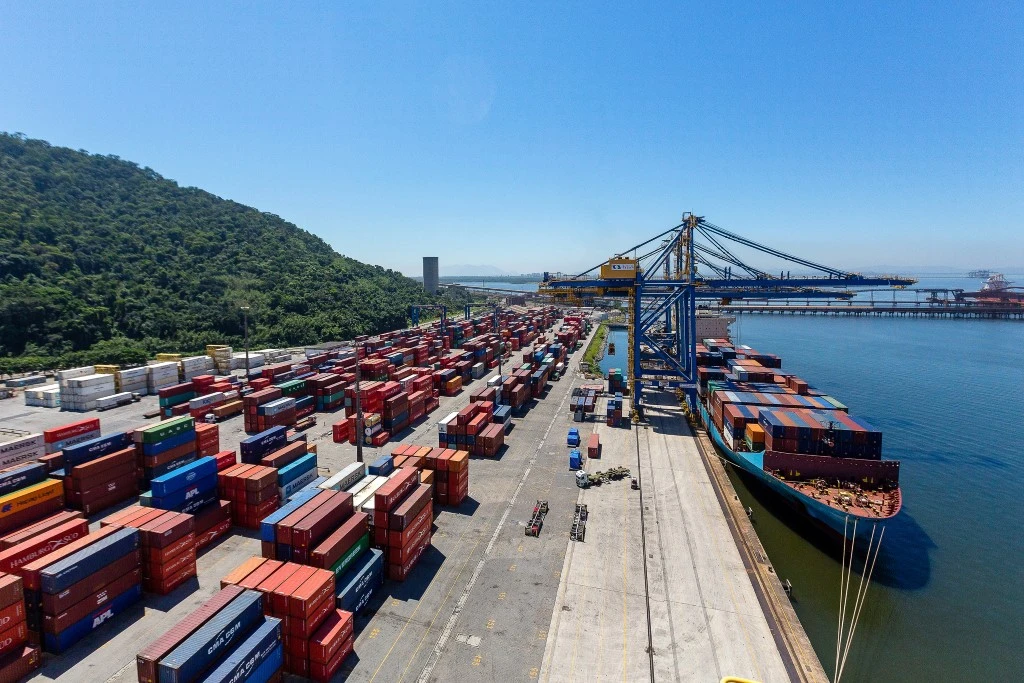
This partnership could open doors to the lucrative Middle Eastern market, diversifying Brazil’s trade portfolio beyond traditional partners. These strategic moves come as Brazil anticipates challenges in its US trade relations.
Navigating Trade Dynamics
Trump’s campaign rhetoric suggests potential tariff increases, which could disrupt global trade patterns. Brazil, despite its trade deficit with the US, may face pressure due to Trump’s aggressive stance on trade imbalances.
Brazil’s proactive approach demonstrates its commitment to economic resilience. By pursuing diverse trade agreements, the country aims to mitigate risks associated with potential US policy shifts.
This strategy not only safeguards Brazil‘s economic interests but also positions it as a significant player in the evolving global trade landscape.
As Brazil navigates these complex trade dynamics, its actions in 2025 could serve as a model for other emerging economies seeking to balance economic growth with geopolitical challenges.
The success of these negotiations could redefine Brazil’s role in international trade and strengthen its position in an increasingly uncertain global economy.
More: Brazil news in English, every day from The Rio Times.
This article was produced by The Rio Times’ automated newsroom system. How we use AI · Report an error · Editorial responsibility: Matthias Camenzind, Editor-in-Chief
Brazil runoff, Sunday, October 25: Brazil runoff start time and results schedule. Latest: Brazil runoff polls, Flávio 51%, Lula 49%.