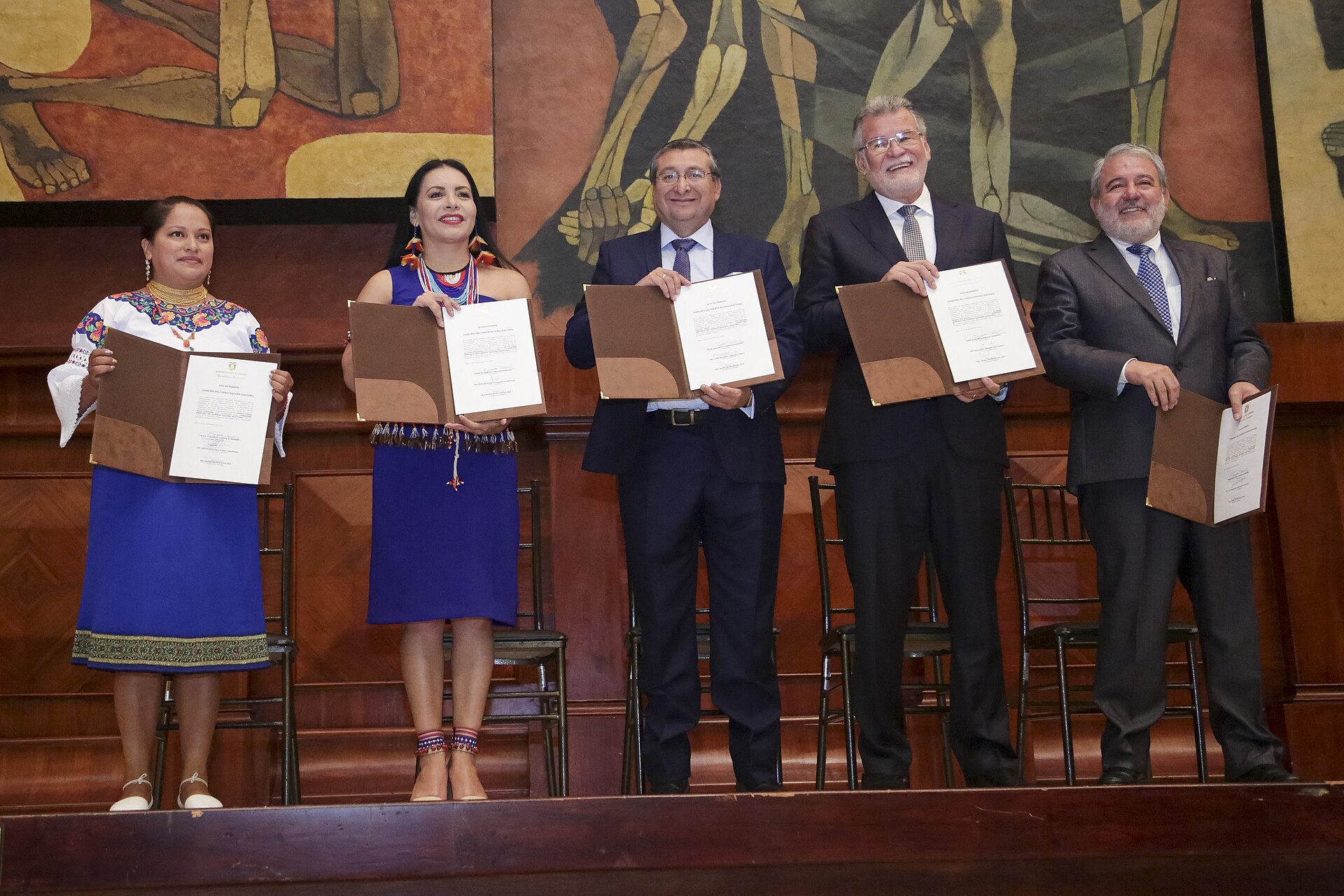
Andrés Fantoni, president of Ecuador’s Council of Citizen Participation and Social Control (Cpccs), and three fellow councillors began unpaid leave on Thursday 12 November 2026 to campaign for new terms. Voters choose the council’s next members on 29 November, the same day as Ecuador’s local elections.
The council is a state body that appoints top officials, and it is still filling several of those posts. Its leave runs to 26 November, so the campaign and the unfinished appointments overlap.
Key Facts
•Who: Council president Andrés Fantoni and councillors Jazmín Enríquez, Johnny Escobar and Johanna Verdezoto.
•What: Unpaid leave from Thursday 12 to Thursday 26 November 2026 to campaign for re-election.
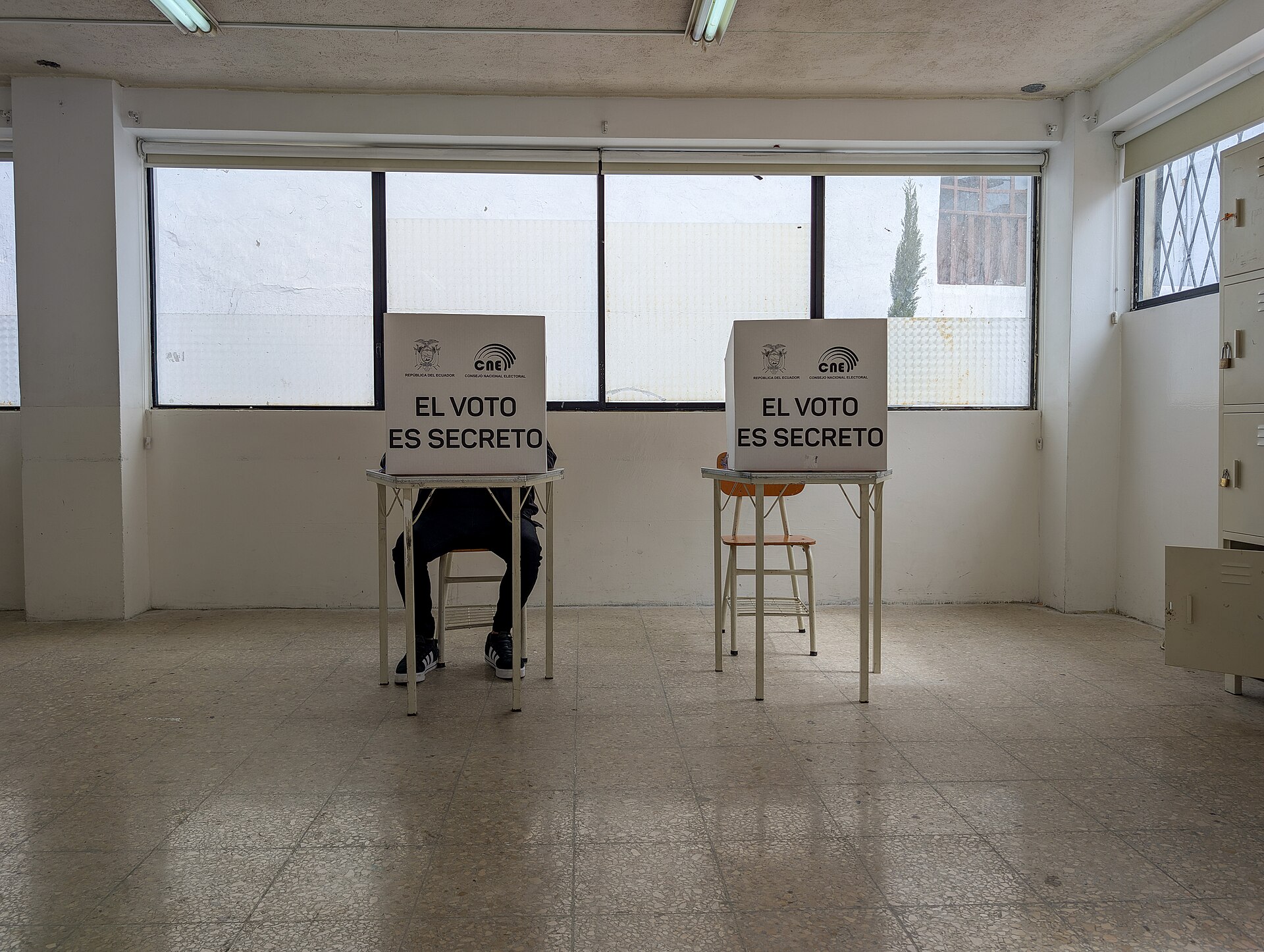
•Vote: On 29 November 2026 voters fill seven council seats; 65 candidates qualified.
•Pending: Still to pick: the chief prosecutor, the state’s top lawyer and part of the National Electoral Council (CNE).
•Power Index: Ecuador ranks 8th of 14 in The Rio Times Latin America Power Index, with 37.2 points (November 2026 edition).
In plain English: the council is a citizen-oversight body chosen by public vote. The law makes any member seeking a second term step aside during the campaign.
What Changed on 12 November
The council said in a statement on 12 November that Fantoni and three councillors would take unpaid leave under Article 93 of the Código de la Democracia, Ecuador’s election law. The article requires anyone seeking immediate re-election to take unpaid leave from the start of the campaign.
The campaign period opened on 12 November, and the leave lasts until 26 November. Four of the council’s seven current members are among the 65 candidates the National Electoral Council (CNE), which runs Ecuador’s elections, has qualified for the seven seats.
Why This Council Matters
The council runs the public contests that choose several of Ecuador’s top officials. On 10 November its full council moved the prosecutor general contest into its exam phase, with a written test worth 30 points and an oral test, a simulated court hearing, worth 20 points.
It also opened the process for a new state attorney general and asked Ecuador’s presidency to send a shortlist within 10 days. A written exam for candidates in the partial renewal of the CNE is set for Monday 16 November, while the four councillors are on leave.
What It Means for You
The choice of Ecuador’s prosecutor general matters to anyone tracking the country’s fight against organised crime and corruption, which US agencies and investors follow closely. A council that changes in membership may slow or reshape those contests.
Readers can follow the wider vote in our Ecuador news coverage. It includes the opening of the campaign and the state of exception in place before the vote.
What Is Not Known
It is not yet clear who will chair the council while its president is on leave, or whether the open contests will finish before new members take office. Nothing published so far answers either question.
Whether voters will return the four incumbents is open, since they face 61 other candidates. The result will decide who finishes the pending appointments.
Frequently Asked Questions
What is the Cpccs?
The Cpccs is Ecuador’s Council of Citizen Participation and Social Control. It runs public contests that choose officials such as the prosecutor general, and its seven members are elected by popular vote.
When is the Cpccs election?
Voters choose seven council members on 29 November 2026, the same day as local elections. Sixty-five candidates qualified.
Why did the councillors take leave?
Article 93 of Ecuador’s Código de la Democracia requires officials seeking immediate re-election to take unpaid leave from the start of the campaign. The leave runs from 12 to 26 November 2026.
Sources
Consejo de Participación Ciudadana y Control Social, statement of 12 November 2026 and plenary resolutions of 10 November 2026: cpccs.gob.ec. Consejo Nacional Electoral (CNE), election calendar for 29 November 2026.
This article was produced by The Rio Times’ automated AI newsroom. Editorial responsibility: Matthias Camenzind, Publisher and Editor-in-Chief. The Rio Times also runs Ask Rio Times, which answers from 100,000+ of our own articles, the daily Latin America Power Map, and prediction-market odds on elections and markets.. How we use AI · Report an error