Ecuador Bets on Nuclear Power to Prevent Future Blackouts
Ecuador is taking decisive steps to solve its electricity problems by building its first nuclear power plant. Official government statements confirm the Ministry of Energy has drafted and presented a new law that will regulate building and running nuclear plants.
This plan responds to the country’s heavy reliance on hydroelectric power, which supplies nearly 70% of its electricity. Recent droughts and low rainfall have left the system unable to consistently meet demand, leading to blackouts up to 14 hours long in 2024.
The government’s strategy focuses on diversifying energy sources to make the national grid more secure. Officials plan to start with a small modular nuclear reactor that will produce 300 megawatts, enough power for a city like Guayaquil.
Regulations will ensure safe operation, supervised by national authorities and with technical help from the International Atomic Energy Agency. Ecuador’s leaders want to reduce dependence on imported oil and protect the economy from global price swings.
Official announcements set the target to have the first nuclear reactor running by 2029, if international agreements and technical support proceed as planned.
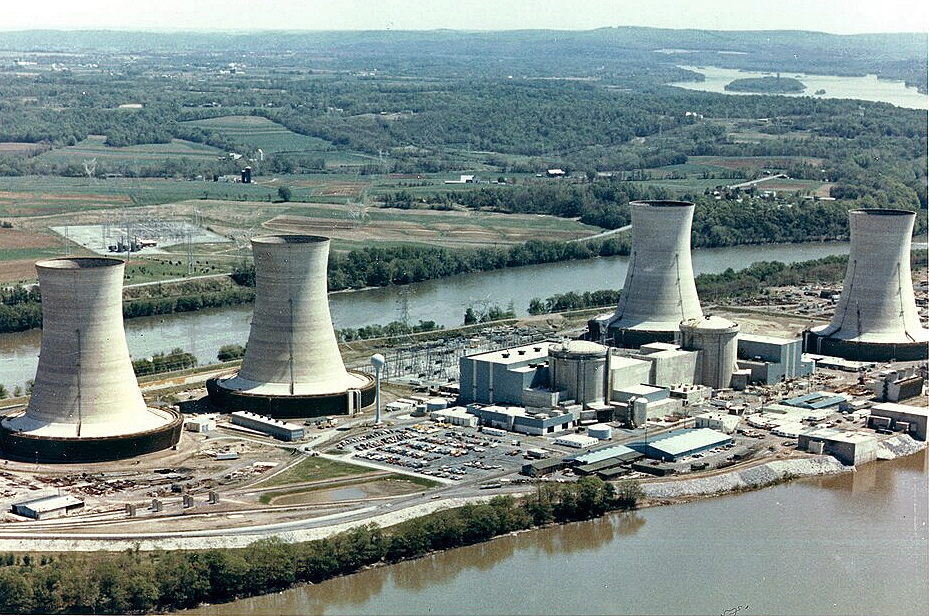
Ecuador Eyes Nuclear Energy to Stabilize Power Grid
The government already invests billions in new hydroelectric, solar, wind, and geothermal projects, aiming to triple national power output by 2030.
By adding nuclear energy, Ecuador hopes to avoid the kind of widespread blackouts that hurt public services and businesses last year. National authorities see nuclear power as a way to stabilize prices, guarantee supply, and give the country more control over its future.
All policies follow strict national laws and apply international safety rules. If the project succeeds, Ecuador will become one of the first South American countries to use nuclear power on a large scale.
The government believes that only a stable and varied energy mix can shield the country and its people from the risks of climate and market shocks.
More: Ecuador news in English, every day from The Rio Times.
This article was produced by The Rio Times’ automated newsroom system. How we use AI · Report an error · Editorial responsibility: Matthias Camenzind, Editor-in-Chief