China announced plans for a trilateral summit with South Korea and Japan. The news came after a high-level meeting in Seoul.
This event aims to ease China’s concerns over growing U.S. security ties with both Asian nations.
Wang Wenbin, China’s Foreign Ministry spokesperson, said mutual interests drive this cooperation.
A preparatory Foreign Ministers’ meeting will set the stage for the leaders’ summit in the coming months.
South Korea confirmed this, noting the diplomats’ agreement on a fast-tracked ministerial meeting.
Talks among these countries have been on hold since 2019. Historical tensions, mainly due to Japan’s past colonization of Korea, are a significant roadblock.
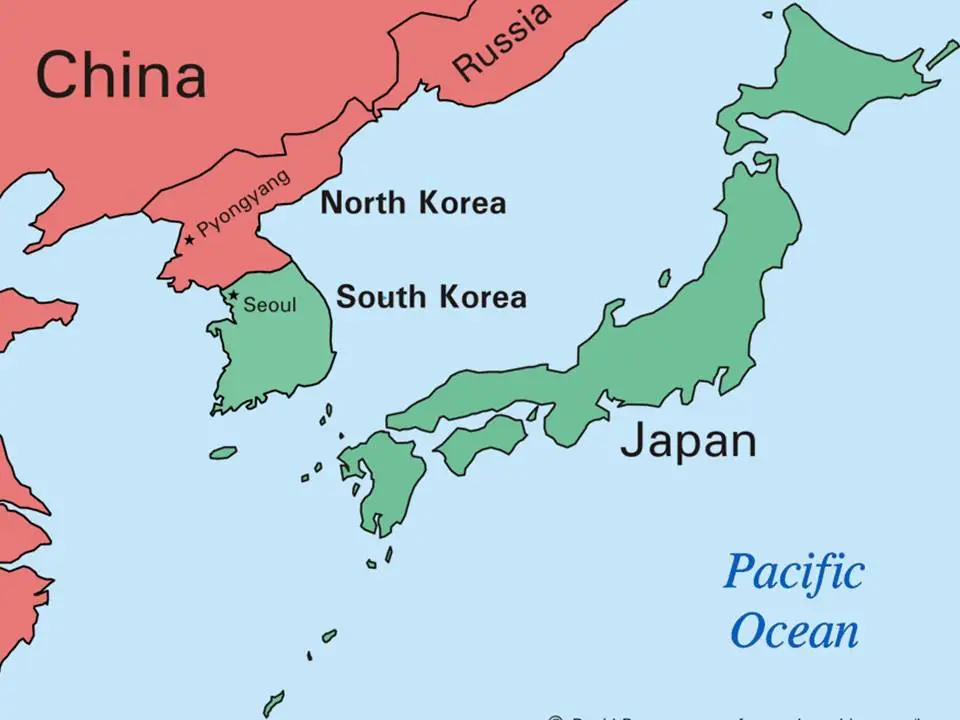
Meanwhile, North Korea’s nuclear threats have pushed South Korea closer to the U.S.
President Yoon Suk Yeol of South Korea has also initiated dialogue with Japan to mend past issues.
The U.S., South Korea, and Japan recently celebrated a “new chapter” in their relationship. They met in August at Camp David, near Washington.
Following this, China voiced concerns over a joint statement that criticized its actions in the South China Sea.
Lastly, China remains both a key trading partner for South Korea and a crucial ally for North Korea.
Background
In recent years, geopolitics in East Asia has become more complex. U.S.-China tensions have reverberated throughout the region, pushing allies to reevaluate their positions.
Balancing relations between China and the U.S. has grown more challenging for South Korea and Japan.
Both countries find value in partnerships with China, mainly due to trade. Yet, security concerns often make the U.S. a more natural ally.
Historically, issues like war memories and territorial claims have complicated China’s relations with Japan and South Korea.
The upcoming summit signals an attempt to move beyond past disputes and focus on common goals.
As regional dynamics shift, this trilateral meeting could mark a pivotal moment in East Asian diplomacy.
This article was produced by The Rio Times’ automated newsroom system. How we use AI · Report an error
Read More from The Rio Times