U.S. and Philippines Discuss Military Bases Amid China Strains
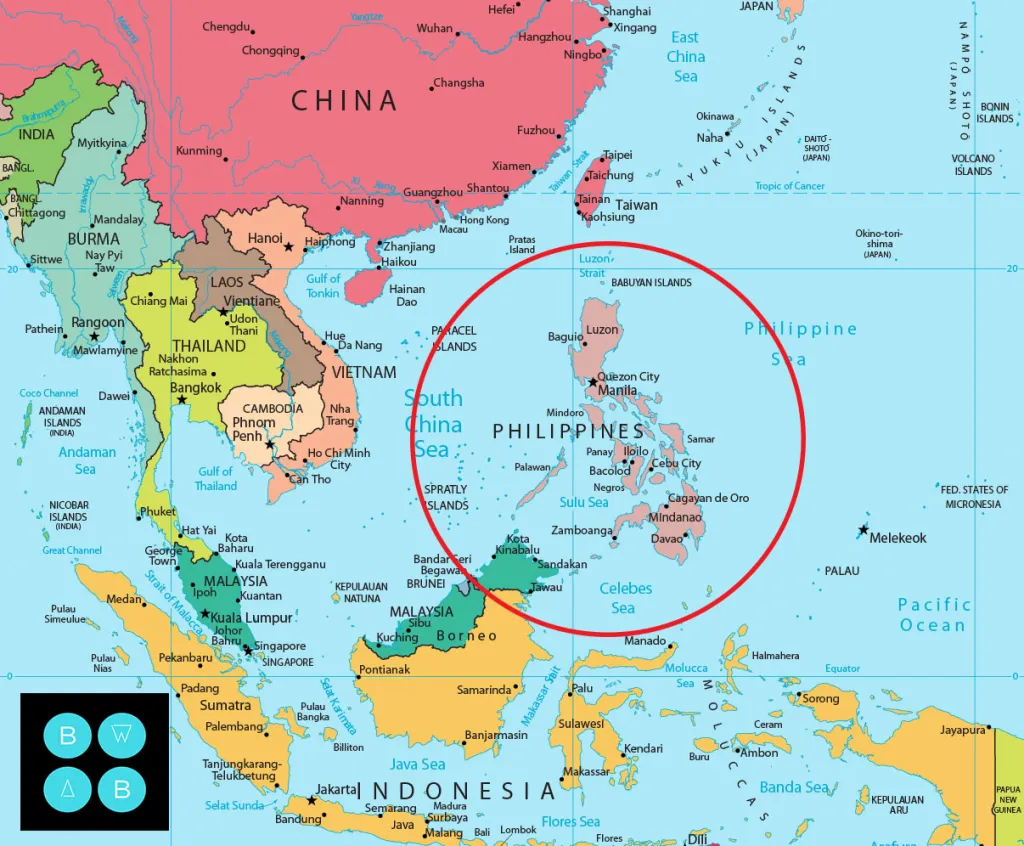
The U.S. and the Philippines are discussing expanding military ties by adding more bases along the Philippine eastern coast.
China views this with concern, citing a rise in regional tensions. Previously, relations between the U.S. and the Philippines had cooled down.
However, they’ve warmed up under President Ferdinand Marcos Jr.
U.S. Admiral John Aquilino and Philippine General Romeo Brawner are leading these discussions.
They plan to suggest new locations for U.S. military bases. Currently, the U.S. has access to nine sites in the Philippines.
New locations might include Samar and Leyte, among other areas. The U.S. and the Philippines emphasize the focus is not only on security but also on humanitarian aid.
According to the existing Enhanced Defense Cooperation Agreement (EDCA), the U.S. can build military facilities.
It can also store fuel and supplies in the Philippines. Both sides aim to strengthen this agreement further.
China is wary of this deepening alliance, especially near hotspots like Taiwan and the Spratly Islands.
Recently, tensions increased when China obstructed Philippine ships in disputed waters.
Experts state that China could disrupt U.S. operations in the Western Pacific. This makes the U.S.-Philippine alliance more crucial.
However, the primary objective of this alliance remains training and disaster response. Both countries deny that the talks relate to immediate regional threats.
Nevertheless, China claims “indisputable sovereignty” over areas like the Spratly Islands, raising alarms.
To sum up, these talks may revive an old U.S.-Philippine alliance. Yet, they also risk escalating existing regional tensions.
All parties must tread carefully, balancing their interests without sparking further conflict.
Background
This expansion of U.S.-Philippine military cooperation comes at a sensitive time.
China’s increasing military activities in the Indo-Pacific region are a major concern for many countries.
While the U.S. aims to balance China’s influence, the move could potentially provoke Beijing further.
Importantly, the Philippines finds itself in a challenging position.
It must navigate its own territorial disputes with China while fostering its alliance with the U.S.
Ultimately, how these negotiations play out will significantly influence stability in a region already fraught with geopolitical tensions.
This article was produced by The Rio Times’ automated newsroom system. How we use AI · Report an error
Read More from The Rio Times