South Korea’s Political Uproar: Lee’s Arrest and PM’s Ouster
In a surprising move, South Korean lawmakers voted to lift the immunity of opposition leader Lee Jae-myung.
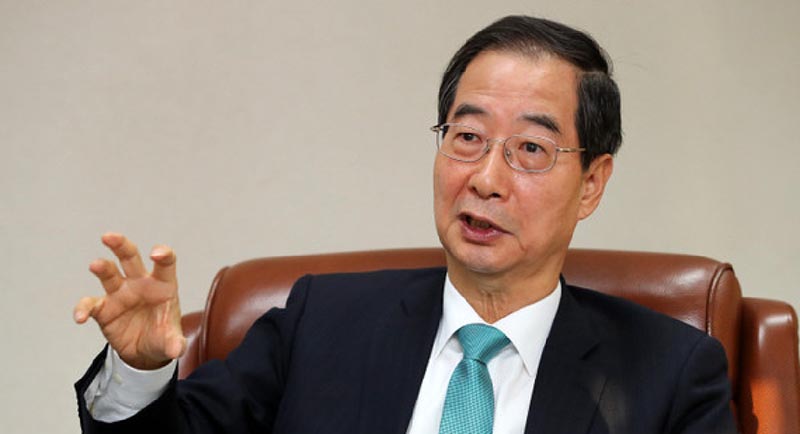
This allows legal action against him. Second, they approved a motion to fire Prime Minister Han Duck-soo.
Both decisions hint at rising tension within South Korea’s political landscape.
Lee faces several corruption charges. One alleges he illegally sent funds to North Korea. Another accuses him of using influence in a real estate deal.
He denies all charges and is on a hunger strike to protest against President Yoon Suk-yeol’s policies.
Meanwhile, Han is under fire for alleged failures in policy and management. Opposition lawmakers claim that firing him holds the current administration accountable.

However, President Yoon, currently at a UN meeting in New York, will likely reject this motion.
Inside Lee’s party, the Democratic Party, divisions are growing. Some members even voted to lift Lee’s immunity.
Furthermore, protests are erupting. Lee’s supporters have gathered outside the National Assembly and party headquarters.
They voice strong opposition to the recent legislative actions.
These developments come before next year’s general elections. The outcomes could affect President Yoon’s legislative plans significantly.
The leader is already struggling with low approval ratings. Additionally, the country’s economic forecast shows only a 1.4% growth this year.
Lastly, Lee ties his hunger strike to more than just the charges against him. He also protests Yoon’s foreign policy and worsening economic conditions in the country.
As these political sagas unfold, they garner high public and media attention, fueling an already heated political climate.
Background
The recent decisions by South Korean lawmakers have rattled the nation’s political arena.
They underline deeper issues within both leading parties. For the Democratic Party, led by Lee, internal strife is evident.
Some party members supported lifting Lee’s immunity, showing cracks in party unity. This could hurt the Democrats in the upcoming general elections.
Similarly, President Yoon faces challenges. His low approval ratings suggest public dissatisfaction.
The motion to fire Prime Minister Han underscores this sentiment. If Han is dismissed, Yoon’s administrative struggles could intensify.
A win for his party in the next elections could become a steep uphill battle.
Public response is also crucial. Protests by Lee’s supporters indicate strong sentiments against the legislature’s actions.
This public mobilization may influence future political moves. The unfolding events serve as a litmus test for both parties.
Each must address internal issues to emerge strong in the next electoral cycle.
These decisions also set the stage for further developments that could redefine South Korea’s political future.
This article was produced by The Rio Times’ automated newsroom system. How we use AI · Report an error
Read More from The Rio Times