Costa Rica DIMEX: the Residency ID Card Foreigners Need, Costing US$103 to US$138
Guides · Costa Rica
Key Facts
- The country. Costa Rica has 5.2 million people and has had no standing army since 1948. President Laura Fernández Delgado took office on 8 May 2026, the second woman in the job.
- The money. The currency is the colón, at 447.5 to the US dollar, or about ¢450. Medical devices, electronics, eco-tourism and services earn the foreign exchange.
- What the card is. DIMEX stands for Documento de Identidad Migratorio para Personas Extranjeras, the immigration directorate’s ID for approved foreigners. It is not the cédula, which is the citizen ID.
- What it costs. Circular DG-0011-03-2026, published on 20 April 2026, sets what the card must show. The card runs US$103 to US$138 by category, plus about US$15 and ¢5,198 at the bank, plus a US$25 levy.
- The delays. Semanario Universidad counted 20,363 undelivered cards on 17 February 2026, and the ombudsman found 7,000 awaiting printing in August. Immigration then said it had caught up.
- What it means. Without a valid card, banks, clinics and ministries can refuse to deal with you. Start the renewal up to three months early and carry the appointment receipt as proof.
- The catch. Renew more than thirty days late and US$3 a month is added; past three months the residency itself can be cancelled. The bank takes colones only, at its own rate on the day.
One card decides whether a bank, a clinic or a ministry will deal with you — and the fees surprise people.
The Costa Rica DIMEX is the card that turns an approved residency file into a working life. Banks, clinics and ministries all ask for it, and in 2026 it has been arriving late.
Costa Rica is a Central American democracy of about five million people. It keeps foreign residents on a separate identity document from the one its own citizens carry.
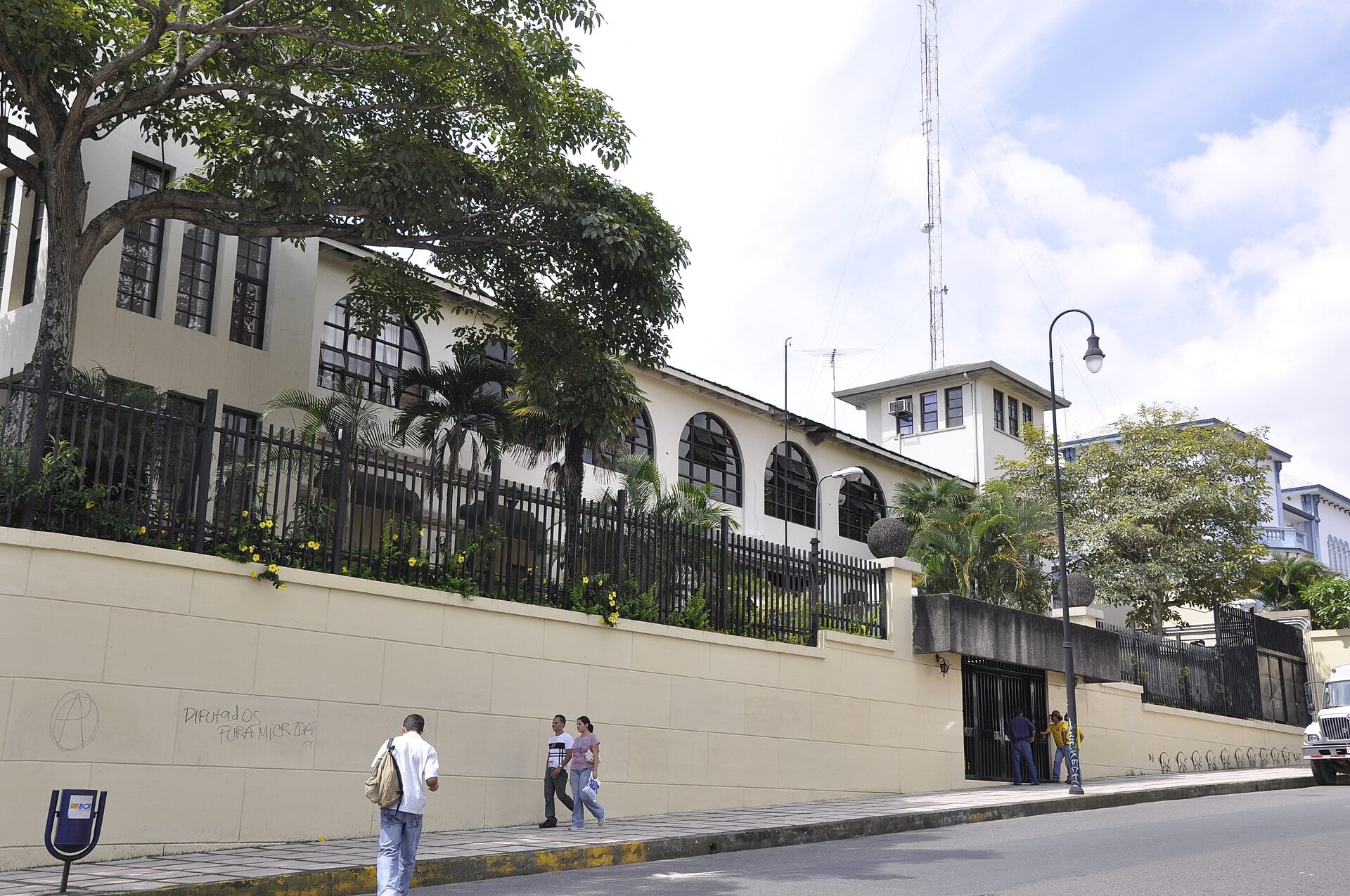
What the Costa Rica DIMEX is, and what it is not
DIMEX stands for Documento de Identidad Migratorio para Personas Extranjeras, and the immigration directorate issues it. Circular DG-0011-03-2026, published in La Gaceta on 20 April 2026, describes what the card must show.
It records identity, migration category, the period of authorised residence and whether the holder may work. Libre de condición means any paid work; condición restringida means only the work the category allows.
Since 2 January 2023 it comes in two formats: a printed card and a PDF sent by email. Both carry an encrypted QR code that officials check against the immigration database.
It is not a cédula. The cédula de identidad belongs to citizens and is issued by the electoral tribunal.
Costa Ricans still call the foreigner’s card the cédula de residencia, so both terms appear on checklists. The white card carried by people applying for refuge is a different document, which the bank does not handle.
Who gets one, and who gets nothing
Every foreigner with approved permanence holds one. Permanent residency opens after three consecutive years of temporary residency, or through a first-degree blood link to a Costa Rican.
Those rules sit in article 78 of Ley 8764, the 2009 migration law. Temporary residents include spouses of Costa Ricans, pensionados, rentistas, investors, scientists, religious workers and accredited athletes.
Article 94 of the same law lists twelve kinds of special category, and says there may be others. They cover specific-occupation workers, students, teachers, researchers, volunteers, refugees, asylees and stateless people.
Tourists get nothing. A tourist identifies with a passport and the entry stamp, and may not work.
Holders of an estancia do get a card, and the bank lists digital nomads among them. They must show a medical policy of at least US$50,000 covering the whole authorised stay.
The three payments most guides merge into one
First, the document itself, paid to the government through the Banco de Costa Rica. The base production cost is US$43, set by resolution DJUR-0596-11-2024-JM and in force since 1 January 2025.
That was a rise of US$5, the first adjustment since 2005. Statutory charges are added on top, so the all-in price depends on the category.
The bank’s published list puts permanent residents, pensionados, rentistas and investors at US$128. Spouses of Costa Ricans, refugees and minors pay US$103, and students, volunteers and estancias US$133.
Venezuelans, Nicaraguans and Cubans in the special categories pay the top rate of US$138. Cross-border indigenous people pay no migration charge at all.
Second, the channel fee, which depends on where you go. At the bank it is US$15 in commission plus ¢5,198 (about US$12) for postal delivery.
The bank takes colones only, at its own sell rate on the day of the appointment. Colon figures here use a rate of 451.86 to the US dollar.
That is the Banco Central de Costa Rica reference sell rate for 23 September 2026, published by the finance ministry. At a Correos de Costa Rica window the charge is ¢8,203.54 (about US$18) plus value-added tax, which lands near ¢9,270 (about US$21).
Correos says that single amount covers its own and RACSA’s commissions, the shipping and the tax. Third, article 33 of Ley 8764 adds US$25 to the social migration fund when status is granted and at each renewal.
Non-residents and special categories also pay US$5 a year, with exemptions for minors, refugees and others.
Where you go, and how long it takes
Pay into the government account at the Banco de Costa Rica named in your resolution, number 242480-0. Bring the physical receipt in exactly the name the resolution carries.
Signatures must be in ink, because digitally signed documents are refused. Book through the immigration call centre on 1311, the bank on 800-227-2482 or its booking site, or Correos.
Arrive ten minutes early, because late arrivals are sent away to rebook. Between 16 February 2026 and 16 February 2027 the directorate is accepting a shortened list of documents.
An expired passport or residence card is accepted if it is undamaged, and employer letters are no longer demanded. Proof of current CCSS health cover is still required for most renewals.
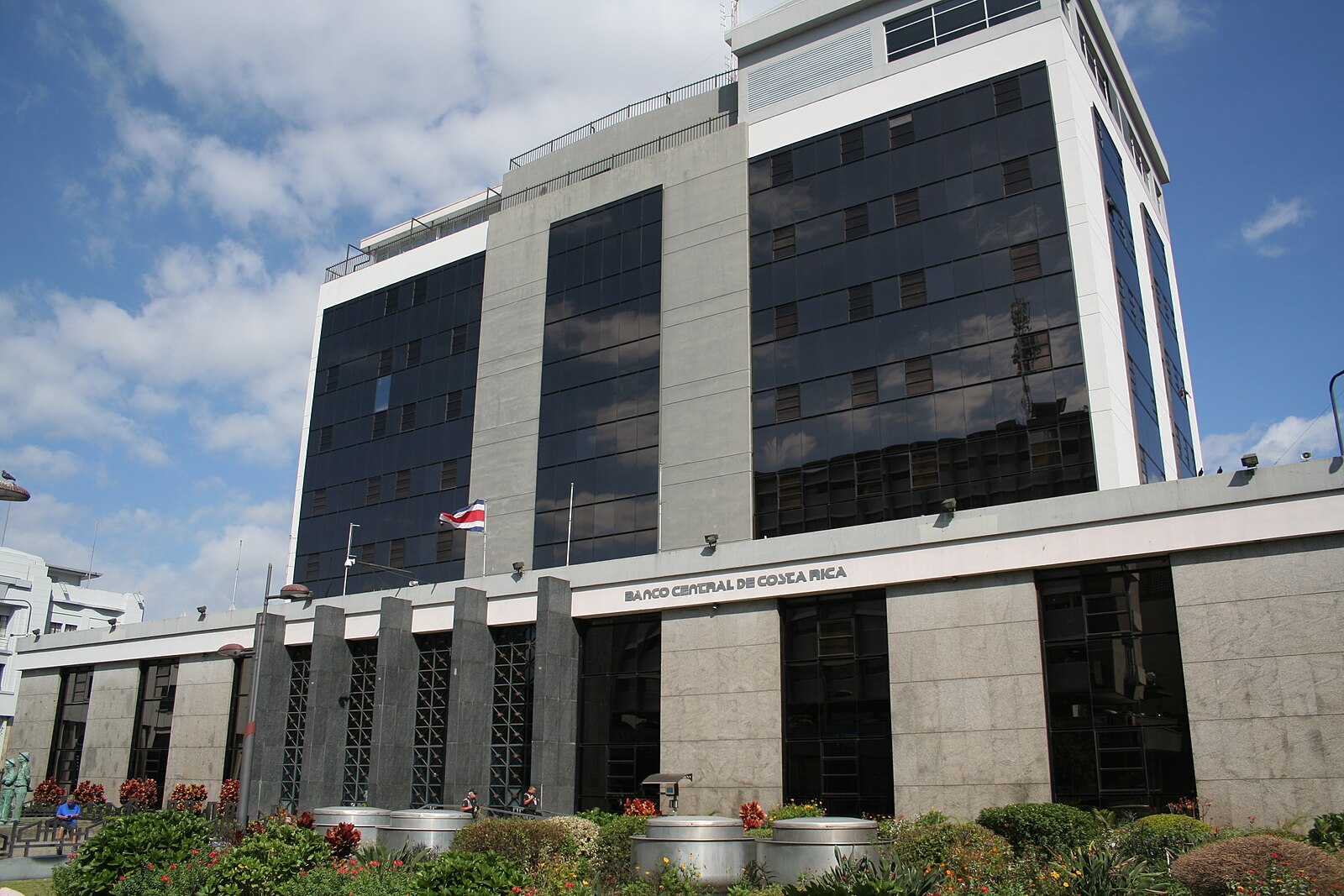
Since March 2026 the bank’s Puntos País branches print the card and hand it over at the appointment. That follows a five-year agreement with the directorate signed on 9 March 2026.
It applies to people whose renewal or duplicate request is complete, or whose file was approved and photograph already taken. The bank validates biometrics from data the directorate supplies and does not keep it.
Correos quotes delivery one month after the application, and holds a card at the chosen branch for sixty working days. Reality has been slower this year.
Semanario Universidad reported 20,363 undelivered cards as of 17 February 2026. A column in Delfino.cr on 26 February 2026 described waits of four to six months.
The national ombudsman, the Defensoría de los Habitantes, counted 7,000 cards awaiting printing in a report made public on 19 August 2026. The directorate said that month it had caught up, with 2,614 cards sitting uncollected.
Renewing without losing your status
You may start the renewal up to three months before the expiry date. Once the appointment is booked, the circular treats the card as valid until the appointment date.
Carry the appointment receipt, because that is the proof officials will ask for. Renew more than thirty days late and article 254 of Ley 8764 adds US$3 for each month or part month.
The fine is paid at the bank, and the directorate confirms how many months are owed on 1311. Past three months, article 129 of the same law allows the status itself to be cancelled.
That clause spares people who can prove it was impossible to renew in time. A card more than three months expired is handled only at immigration, with a letter from a lawyer explaining the delay.
Long absences carry their own risk. Article 129 cancels permanent residency after four consecutive years abroad, and temporary residency after two, unless a proven exception applies.
A lost or damaged card is a duplicate, not a renewal, and costs US$103 for most categories. If it is lost within the last ninety days of validity, the bank treats it as a renewal instead.
What the card unlocks
The circular says the document is required whenever a legally resident foreigner deals with the national banking system. Ministries, autonomous and semi-autonomous bodies and any other service provider are covered by the same sentence.
The CCSS, the public health service, is one of those autonomous bodies, and it also supplies the cover the card renewal demands. That is a closed loop, and it is why an expired card bites so quickly.
The Delfino.cr column collected accounts of clinics withholding medicines and banks blocking transactions for residents whose record showed no valid document. Permanent residents must also show CCSS cover to renew, under article 78.
More: Costa Rica news in English, every day from The Rio Times.
Frequently Asked Questions
How much does a Costa Rica DIMEX cost in total?
Three charges are due: the card, the channel fee and a US$25 levy at grant and each renewal. The card runs from US$103 to US$138 by category, and the bank adds US$15 plus ¢5,198 (about US$12).
How early can I renew my DIMEX?
You may start up to three months before the expiry date. Renew more than thirty days late and a fine of US$3 a month applies, so book early and keep the receipt.
Is the DIMEX the same thing as a cédula?
No, the cédula de identidad is the citizen ID issued by the electoral tribunal, while the DIMEX comes from immigration. Costa Ricans often call the foreigner’s card the cédula de residencia, which is why both names appear on checklists.
What happens if my DIMEX expires while I wait for the new one?
Book the appointment inside the permitted window and carry the receipt, which the circular treats as keeping the card valid. If the system still shows no valid document, banks and clinics may refuse service.
Connected Coverage
- Costa Rica residency guide for expats
- How to open a bank account in Costa Rica as a foreigner
- Moving to Costa Rica: the full relocation guide
This article was produced by The Rio Times’ automated AI newsroom. Editorial responsibility: Matthias Camenzind, Publisher and Editor-in-Chief. How we use AI · Report an error
Expat Guide to Costa Rica
What The Rio Times publishes for foreigners who live in or move to Costa Rica.
Start here
- Fer De Lance Snake Facts and Safety Tips
- Best Places to Live in Costa Rica for Expats 2026
- Costa Rica Income Tax Bill Would Charge Residents 15% on Five Kinds of Foreign Investment Income
- Costa Rica Permanent Residency and Citizenship: How the Rules Work
City guides
Coming up in Costa Rica
- Soda Stereo Costa Rica Tickets From US$93 11 Nov
- Cazzu Plays Alajuela, Costa Rica, on 12 November 2026 12 Nov
- Costa Rica National Symphony in San Jose, 13 November 2026 13 Nov
- Gorillaz Play Costa Rica on 14 November 2026 14 Nov
Understand Costa Rica
Brazil runoff date: Sunday, October 25, poll closing times and when results start · Brazil runoff polls: Flávio 51%, Lula 49% · Kalshi and Polymarket odds
Rotate for Best Experience
This report is optimized for landscape viewing. Rotate your phone for the full experience.
You've reached your free article limit
Subscribe to The Rio Times for unlimited reporting and practical guides for expats and nomads in Latin America.
Expat Guide to Costa Rica
What The Rio Times publishes for foreigners who live in or move to Costa Rica.
Start here
- Fer De Lance Snake Facts and Safety Tips
- Best Places to Live in Costa Rica for Expats 2026
- Costa Rica Income Tax Bill Would Charge Residents 15% on Five Kinds of Foreign Investment Income
- Costa Rica Permanent Residency and Citizenship: How the Rules Work
City guides
Coming up in Costa Rica
- Soda Stereo Costa Rica Tickets From US$93 11 Nov
- Cazzu Plays Alajuela, Costa Rica, on 12 November 2026 12 Nov
- Costa Rica National Symphony in San Jose, 13 November 2026 13 Nov
- Gorillaz Play Costa Rica on 14 November 2026 14 Nov
Understand Costa Rica