Copper Fund Falls 1.3% as Freeport Drops 2.7% | Copper Wrap, Nov 12

Key Facts
- Lowest close in at least three months: the CPER fund, which tracks copper futures, ended Thursday, November 12, 2026 at US$37.24, a move of −1.30% on the day and its third straight fall.
- Miners fell harder than the metal: Southern Copper moved -2.55% to US$168.21, and Freeport-McMoRan moved -2.69% to US$60.45.
- The main cause is American money, not Chinese factories: a hot US inflation reading pushed bond yields up and made a Federal Reserve rate rise look likelier.
- Well off the high: the fund is 10.1% below its 22 September peak of 41.43, though still 21.0% above its November 2025 low of 30.77.
- History is mixed: after 58 earlier falls of this size in our records, copper was higher 20 sessions later in 31 cases, or 53%.
- Latin America is exposed: Chile and Peru earn a large share of their export income from copper, and both countries’ listed miners trade on the same signal.
- Prediction markets: Polymarket, a real-money prediction market, prices a 28.0% chance that copper cable is hit with US Section 232 tariffs (import duties imposed on national-security grounds) by 31 December 2026 and 60.5% by the end of 2027 (US$17,223 traded, 7:41 p.m. ET, 12 November).
Today’s Focus
Copper slipped on Thursday, November 12, 2026, and the fund that tracks its futures closed at the lowest level in at least three months. It was the third consecutive daily fall.
The main reason lies in Washington rather than Beijing. A hotter-than-expected US inflation reading pushed Treasury yields to 5.10% and revived talk that the Federal Reserve will keep interest rates high for longer.
Over 20 sessions, the fund is down 5.6%. The shares of the two biggest listed producers have fallen further, which shows investors are marking down mining profits as well as the metal.
What matters today. Copper is being priced as a bet on global growth and borrowing costs, and on Thursday borrowing costs won.
01 The session in one read
Copper is the metal that wires the modern world, from houses and power grids to electric cars, so its price works as a health check on global industry. On Thursday, November 12, 2026 that check came back weak.
The CPER fund, which holds copper futures (contracts to buy the metal at a set future date) rather than the physical metal, fell 1.30%. Its close was the lowest in at least three months.
The reason matters more than the size. This was not a mine strike or a shortage. It was a day when American inflation news made money more expensive everywhere.
The best-supported reading is that a firmer dollar and higher yields are weighing on all industrial metals at once, with weaker appetite for risk adding to it. Nothing we have verified points to a mine outage or a collapse in Chinese orders, so this looks like a financial squeeze on a metal whose long-term story, grid and electric-vehicle demand, is intact. The variable to watch is the US 10-year yield: while it stays near 5.10%, copper rallies are likely to meet sellers.
02 The board
The two big miners we track fell by more than the fund. Southern Copper, the Peru- and Mexico-based producer, dropped -2.55%, and Freeport-McMoRan, the US giant with large mines in Indonesia and the Americas, dropped -2.69%.
Mining shares tend to exaggerate the metal’s moves, because a small change in copper prices swings a mine’s profit a lot. That is why a modest fall in the fund became a sharper one in the stocks.
| Asset | Level | Change |
|---|---|---|
| Copper (CPER tracker) | US$37.24 | -1.30% |
| Southern Copper | US$168.21 | -2.55% |
| Freeport-McMoRan | US$60.45 | -2.69% |
Source: RT close, 2026-11-12. Where a commodity has no spot feed, an exchange-traded tracker or leading producer is shown as a labelled proxy.
Live Market IntelligenceThe live market board
Rio Times · Live Market Intelligence
Latin America — Cross-Market Board
| Instrument | Last | Change | YoY | Prev. | High | Low | Volume |
|---|---|---|---|---|---|---|---|
| IBOV | 171,324.31 | -0.43% | +8.69% | 172,060.43 | 172,060 | 169,942 | — |
| IPSA | 10,625.27 | +0.69% | — | 10,552.02 | 10,646 | 10,506 | — |
| IPC MEX | 71,674.32 | -0.46% | +13.64% | 72,006.05 | 72,212 | 71,603 | 163,492,928 |
| MERVAL | 2,848,945 | — | -10.97% | 2,859,051 | — | — | — |
| COLCAP | 2,452.93 | -1.35% | — | — | — | — | — |
| USD/BRL | 5.64 | +1.06% | +6.62% | 5.58 | 5.65 | 5.64 | — |
| EUR/BRL | 6.24 | +0.11% | +1.79% | 6.23 | 6.25 | 6.23 | — |
| USD/MXN | 18.58 | -0.09% | +1.63% | 18.60 | 18.60 | 18.58 | — |
| USD/CLP | 994.00 | +1.14% | +6.94% | 982.80 | 996.27 | 982.53 | — |
| USD/COP | 3,302 | -0.16% | -10.88% | 3,307 | 3,303 | 3,302 | — |
| USD/PEN | 3.41 | -0.06% | +0.92% | 3.41 | 3.41 | 3.41 | — |
| USD/ARS | 1,545 | +0.03% | +9.69% | 1,545 | 1,545 | 1,545 | — |
| USD/UYU | 40.52 | +3.32% | +3.23% | 39.22 | 40.52 | 40.52 | — |
| USD/PYG | 6,185 | +3.33% | -10.93% | 5,986 | 6,185 | 6,185 | — |
| USD/BOB | 11.60 | +0.86% | +72.17% | 11.50 | 11.60 | 11.60 | — |
| USD/DOP | 60.47 | +0.03% | -5.59% | 60.45 | 60.59 | 60.45 | — |
| USD/CRC | 445.25 | +1.62% | -9.18% | 438.17 | 445.25 | 445.25 | — |
| USD/GTQ | 7.65 | +3.31% | +2.09% | 7.40 | 7.65 | 7.65 | — |
03 Why it moved
First and heaviest: US interest rates. A hot inflation reading lifted Treasury yields, which stood at 5.10% on Thursday, and the US dollar index rose 0.25% to 103.17, with a 1.60% gain over five sessions. A stronger dollar makes copper, priced in dollars, costlier for buyers in China and Europe, and higher yields make it harder to justify holding metal that pays no interest. Confidence: medium-high.
Second: nervous markets. The S&P 500 slipped 0.35% to 7,592, and the VIX, Wall Street’s fear gauge, rose 6.92% to 18.70. Oil jumped 3.25% in the USO fund as hopes for Middle East peace faded, which feeds the same inflation worry. Confidence: medium.
The signals are not entirely tidy. Gold’s fund also fell 2.82%, which fits the rates story, since gold suffers when yields rise, but the S&P’s small decline shows this was no general panic. Copper’s 20-session slide may also reflect doubts about Chinese demand, though we have no verified data on that, so we treat it as an inference. Confidence: low-medium.
04 The trend behind it
The fund peaked at 41.43 on 22 September and now sits 10.1% below that high. It is down 5.5% over 60 sessions, so the retreat has been steady rather than sudden.
Over a longer view, copper remains well ahead, with the fund 21.0% above its 12-month low of 30.77 set on 20 November 2025. This looks like a continuation of an autumn pullback after a strong run, not the start of a new bear market. Southern Copper is 22.6% below its 25 August high of 217.40, and Freeport-McMoRan is 24.4% below its high of 79.91 from the same day, so the shares peaked earlier and have fallen harder.
In our own price history since 2011, copper has fallen 5.6% over 20 sessions on 58 earlier occasions. It was higher 20 sessions later in 31 of them, or 53%, with a median change of +0.7% and a worst case of -18.5%. History is not a forecast, but it says a fall like this is a coin toss, not a signal to panic.
05 What it means for Latin America
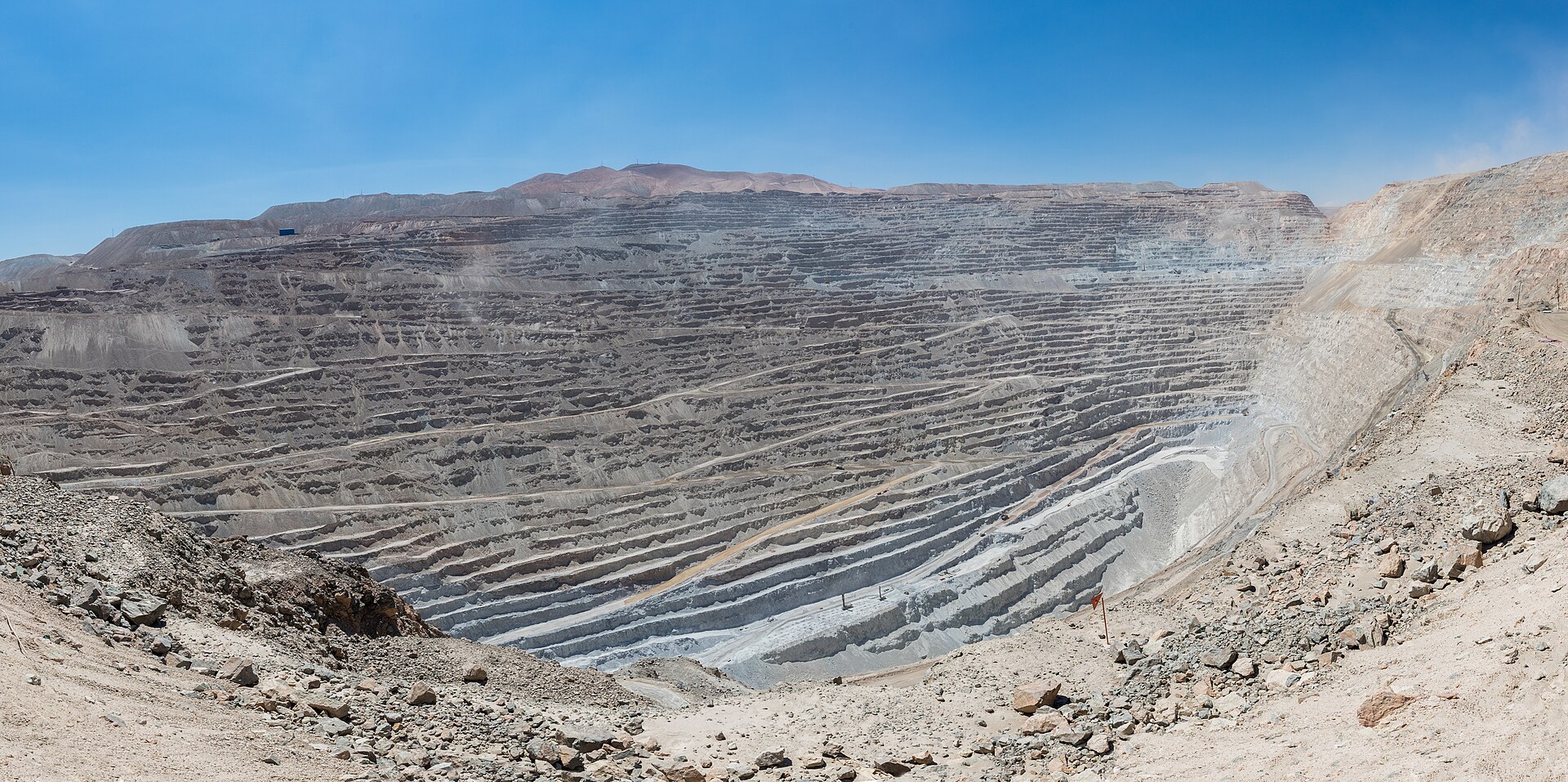
Chile is the world’s largest copper producer, and Peru is also among the top three. Both treasuries and both currencies lean on the metal, so a weaker copper price tends to soften the Chilean peso and the Peruvian sol, and it trims royalties and tax income.
Southern Copper’s big Peruvian operations make it the clearest listed stake in the region. A fall of 15.72% over 20 sessions in its New York shares shows how quickly investors cut their expectations when the metal wobbles.
For travellers and importers the news is mildly helpful. Cheaper copper eases costs for wiring, plumbing and appliances, but the effect is slow and small compared with currency swings.
06 The names to watch
Freeport-McMoRan is the one to follow among the large miners. It has risen 4.40% over five sessions even after Thursday’s drop, which suggests buyers are stepping in.
Southern Copper has gained 1.71% over five sessions but remains 15.72% lower over 20, so it is the more battered of the two. Both stocks usually move before the metal does, which makes them an early warning in either direction.
07 What would end it
The nearest floor is the fund’s current area near 37.24, and below that investors will look at the round number of 35. The ceiling is the September peak of 41.43, though the first test is simply a close above Thursday’s level.
The thing that would change the picture is the dollar and yields turning down, most likely after a softer US inflation or jobs report or a Federal Reserve that sounds less hawkish. A clear Chinese stimulus step would also help, since China is the biggest buyer of copper.
Does it stop? Not on its own. Copper needs either cooler US inflation or firmer Chinese orders, and until one arrives the path of least resistance is flat to lower.
08 What to watch
- US inflation and jobs data: Another hot reading would keep yields near 5.10% and pressure copper further.
- The US dollar index: It stands at 103.17, and a retreat would lift copper priced in dollars.
- China demand signals: Any stimulus or factory data could confirm or break the demand-worry story.
- The 35 and 41.43 markers: The CPER fund needs to hold above the round number and reclaim the September peak to turn the trend.
What Prediction Markets Say
Polymarket, where users bet real money, lists a market on US Section 232 tariffs (import duties imposed on national-security grounds) on copper cable, with US$17,223 traded as of 7:41 p.m. ET, 12 November 2026. It prices a 28.0% chance by 31 December 2026 and a 60.5% chance by 31 December 2027.
These prices are bets, not polls. They show traders see tariffs on copper products as more likely than not over the next year or so, though not before the end of this year.
Why we show this: prediction markets turn real-money bets into a live probability that moves within minutes of the news, which is why investors, campaigns and newsrooms in the United States now follow them closely. We show them next to polls and official results, never instead of them.
Frequently Asked Questions
Why did copper fall on Thursday, November 12, 2026?
The leading cause was a hot US inflation reading that lifted bond yields and the dollar, making a Federal Reserve rate rise look likelier. Nervous markets added to the pressure.
What does the CPER fund track?
It follows copper futures, which are contracts for future delivery, rather than the physical spot price. Its moves can therefore differ slightly from the metal’s daily cash price.
Who is hurt most by lower copper?
Producers such as Chile and Peru, and miners such as Southern Copper and Freeport-McMoRan, lose income and share value. Buyers of copper-heavy goods gain a little.
Is this the start of a bigger fall?
Not necessarily. The fund is 21.0% above its November 2025 low, and in 58 earlier similar falls it was higher 20 sessions later 53% of the time.
Market data: The Rio Times
This article was produced by The Rio Times’ automated AI newsroom. Editorial responsibility: Matthias Camenzind, Publisher and Editor-in-Chief. The Rio Times also runs Ask Rio Times, which answers from 100,000+ of our own articles, the daily Latin America Power Map, and prediction-market odds on elections and markets.. How we use AI · Report an error
LatAm Markets: Live Signals → — real-time movers, turnover leaders and FX across Latin America.
Read More from The Rio Times