Colombia Health Funding: Patient Groups Demand US$4 Billion More for 2027
Colombia · Health
Key Facts
- —What happened Pacientes Colombia asked the government on 21 September 2026 for at least 13 trillion pesos (about US$4.07 billion) more for health.
- —Who is asking An umbrella movement of more than 200 patient associations, led in public by its spokesperson, Denis Silva.
- —What it proposes Keeping the 4×1,000 bank-transaction tax for health, reviewing sales-tax exemptions and taxing online betting and vapes.
- —The catch The government plans to phase out the 4×1,000 tax; its filed budget added about 2 trillion pesos (about US$626 million) for health.
- —Why it matters Insurers owed hospitals and suppliers 58.06 trillion pesos (about US$18.19 billion) at the end of 2025, the Comptroller’s Office found.
An umbrella group of more than 200 patient associations says the government’s health rescue cannot work without new Colombia health funding. It wants to keep a bank tax the new government plans to phase out.
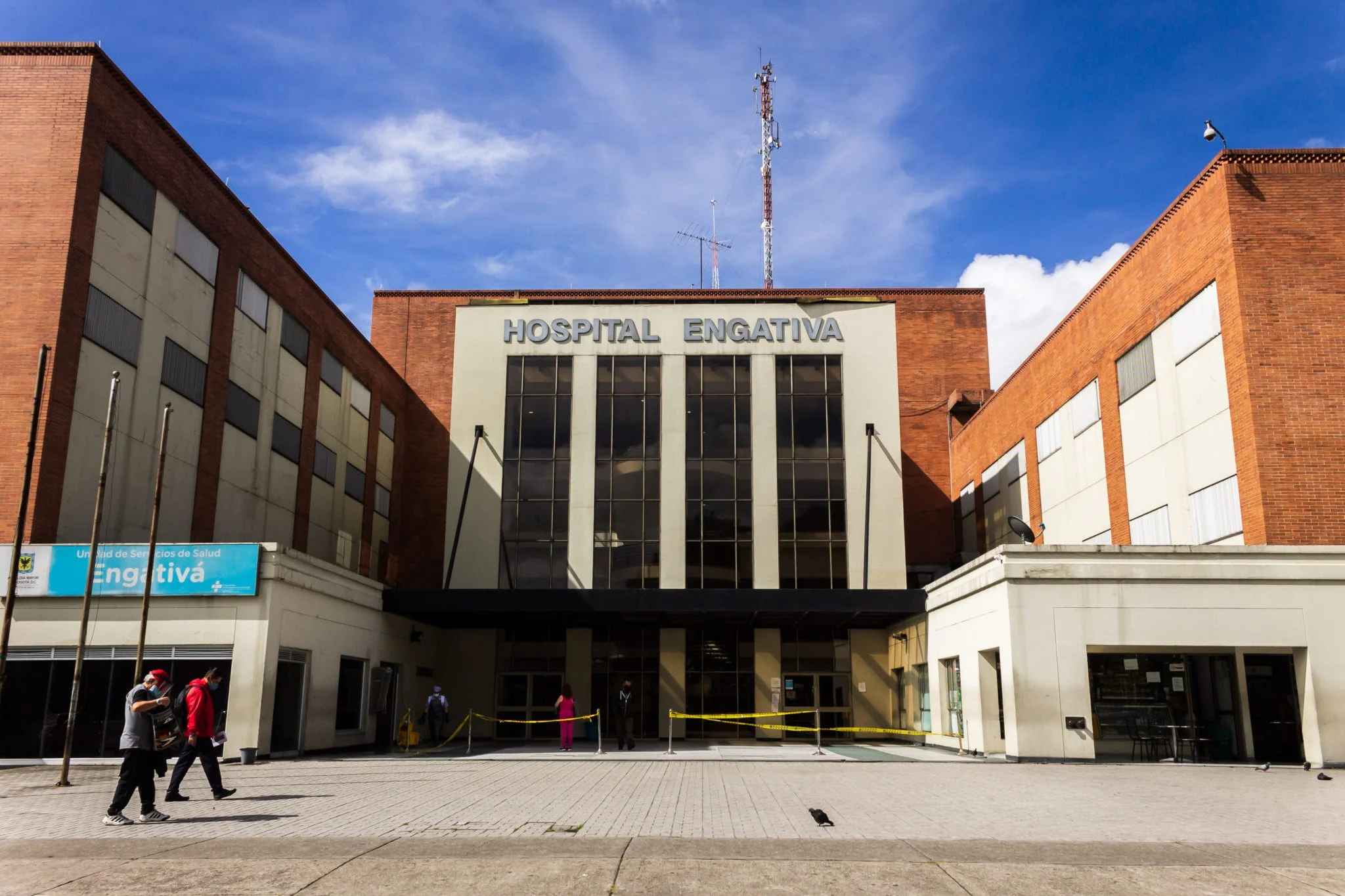
Colombia health funding needs at least 13 trillion more pesos (about US$4.07 billion) next year, an umbrella group of patient associations says. Without it, the group argues, the government’s new health rescue plan cannot work.
Pacientes Colombia, an umbrella movement of more than 200 patient associations, made the demand on Monday 21 September 2026. It came hours before President Abelardo de la Espriella announced the first phase of his health “plan de choque”, or shock plan.
“It is impossible to implement the shock plan, Mr President, without additional resources,” said spokesperson Denis Silva, according to Caracol Radio. The group wants lawmakers to find the money while the 2027 budget is still being written.
Dollar figures use a rate of 3,192.53 to the US dollar. That is the official rate for 22 September 2026, published on Colombia’s open-data portal.
Who is asking
Pacientes Colombia brings together patient associations from across the country. The political news site La Silla Vacía describes it as grouping more than 200 of them.
It was a vocal critic of former president Gustavo Petro’s failed attempts to overhaul the health system. In July, Silva welcomed the choice of Ana María Vesga, a former head of the insurers’ association Acemi, as health minister.
Silva also said he was sure Vesga would be “the health minister of all Colombians”, Infobae reported.
Where the 13 trillion figure comes from
The group says the 2027 budget adds only about 2 trillion pesos (about US$626 million) for health. It calculates that at least 13 trillion pesos (about US$4.07 billion) more would restore funding to 2022 levels.
The 2 trillion figure matches the Finance Ministry’s own account, according to Forbes Colombia. The ministry says its revised budget gives health about 2 trillion pesos (about US$626 million) more than Petro’s draft.
The group also cites a 2025 health-sector deficit of 58 trillion pesos (about US$18.17 billion). It draws on the latest report of the Comptroller General’s Office, the state audit body.
That report found insurers owed hospitals, clinics and suppliers 58.06 trillion pesos (about US$18.19 billion) at the end of 2025, Infobae reported. That was 26.5% more than a year earlier.

How the group would raise the money
The movement’s most pointed idea concerns the “4×1,000”, a 0.4% tax on bank transactions. It wants the tax kept and its revenue earmarked for health for two years.
“Why not think of the 4 per 1,000 for two years earmarked for health?” Silva asked, according to Caracol Radio.
The government wants the opposite: to phase the tax out gradually, Valora Analitik reported on 15 September 2026. Finance Minister Miguel Gómez Martínez told Noticias RCN the cut could not happen overnight.
The group also wants a review of some exemptions from IVA, Colombia’s value-added tax. It estimates that those exemptions cost between 88 and 100 trillion pesos (about US$27.56 billion to US$31.32 billion) a year.
It proposes new earmarked taxes on online betting, vapes, motorcycles and electric vehicles. It also wants existing “healthy taxes” on items such as sugary drinks kept.
A fifth idea is gradual rises in diesel prices, to shrink the deficit of the fuel-price stabilisation fund. The sixth extends the 8.5% employer health contribution to workers earning under 10 minimum wages.
The group says that change alone could raise about 4.5 trillion pesos (about US$1.41 billion). Silva also asked the Finance Ministry to shift unspent money from the social-welfare agency and the Ministry of Equality.
A budget with little room
The group’s demand lands in a tight fiscal debate. On 14 September 2026, Congress’s joint economic committees approved a 2027 budget ceiling of 634.9 trillion pesos (about US$198.87 billion).
The committees have until 25 September 2026 to approve how that money is shared out, Forbes Colombia reported. Lawmakers filed 615 requests to move funds, and the government has endorsed none, according to Infobae.
Instead, the government would move about 3 trillion pesos (about US$940 million) between sectors, Infobae reported. Representative John Edgard Pérez said 2 trillion pesos (about US$626 million) of that would shift from the Finance Ministry to Health.
The health ministry itself asked for 13.9 trillion pesos (about US$4.35 billion) more than the budget filed in Congress. Andi, a business lobby whose members include health companies, cited those figures to press for more money, the trade site Consultorsalud reported.
What comes next
The 4×1,000 change is due in a “Ley Rescate”, or rescue law, that the government plans to present in October. That bill will show whether it accepts any of the group’s tax ideas.
Colombia health funding for 2027 will be settled first in the budget committees, which face a 25 September deadline.
More: Colombia coverage, every day from The Rio Times.
Frequently Asked Questions
What is Pacientes Colombia?
It is an umbrella movement of more than 200 patient associations in Colombia, according to La Silla Vacía. Its public spokesperson is Denis Silva. The group lobbies the government and Congress on access to treatment. It opposed former president Gustavo Petro’s health reform.
How much extra money does it want for health?
At least 13 trillion pesos (about US$4.07 billion) more in 2027, to restore funding to 2022 levels. The group says the 2027 budget adds only about 2 trillion pesos (about US$626 million) for health. On Colombia health funding, the health ministry itself has asked Congress for 13.9 trillion pesos (about US$4.35 billion) more.
What is the 4×1,000 tax?
It is a levy of 0.4% on money moved through bank accounts, hence its name, four per thousand. The government of Abelardo de la Espriella plans to phase it out gradually through a rescue law due in October. Pacientes Colombia wants the tax kept for two years and earmarked for health.
How does this relate to the health shock plan?
President De la Espriella announced the first phase of a health shock plan on 21 September 2026. It targets patients waiting for medicines and procedures. Pacientes Colombia says the plan cannot work without new money for the health system.
Sources: Caracol Radio on the proposals and Denis Silva’s remarks, La FM on the six measures, Ecos del Combeima with the statement text, El Tiempo on the funding request, La Silla Vacía on the size of Pacientes Colombia, Infobae on the Comptroller’s insurer-debt report, Forbes Colombia on the 2027 budget ceiling, Infobae on the proposed budget transfers, Consultorsalud on the health ministry’s budget request, Valora Analitik on the plan to phase out the 4×1,000 tax, Infobae on the group’s stance toward the new health minister, Colombian open data on the official exchange rate
This article was produced by The Rio Times’ automated newsroom system. How we use AI · Report an error
In depth
Read More from The Rio Times