Colombia Moves to Liquidate Failing Health Insurers
COLOMBIA · HEALTH
Key Facts
- —What happened: President Abelardo De la Espriella says Colombia will liquidate failing EPS, the country’s health insurance administrators.
- —How big: About 29.7 million Colombians are already enrolled in EPS under state intervention, more than half of all patients.
- —What it means: A state audit found only four insurers meet every financial and solvency requirement, covering under 2% of patients.
- —The catch: No specific insurer has been named for liquidation yet, though Nueva EPS alone owes 44% of the system’s total debt.
- —What comes next: Health officials will run financial viability tests, then decide each insurer’s fate under state oversight.
Colombia’s president says the government will shut down health insurers that fail a viability test, as unpaid bills pile up for hospitals.
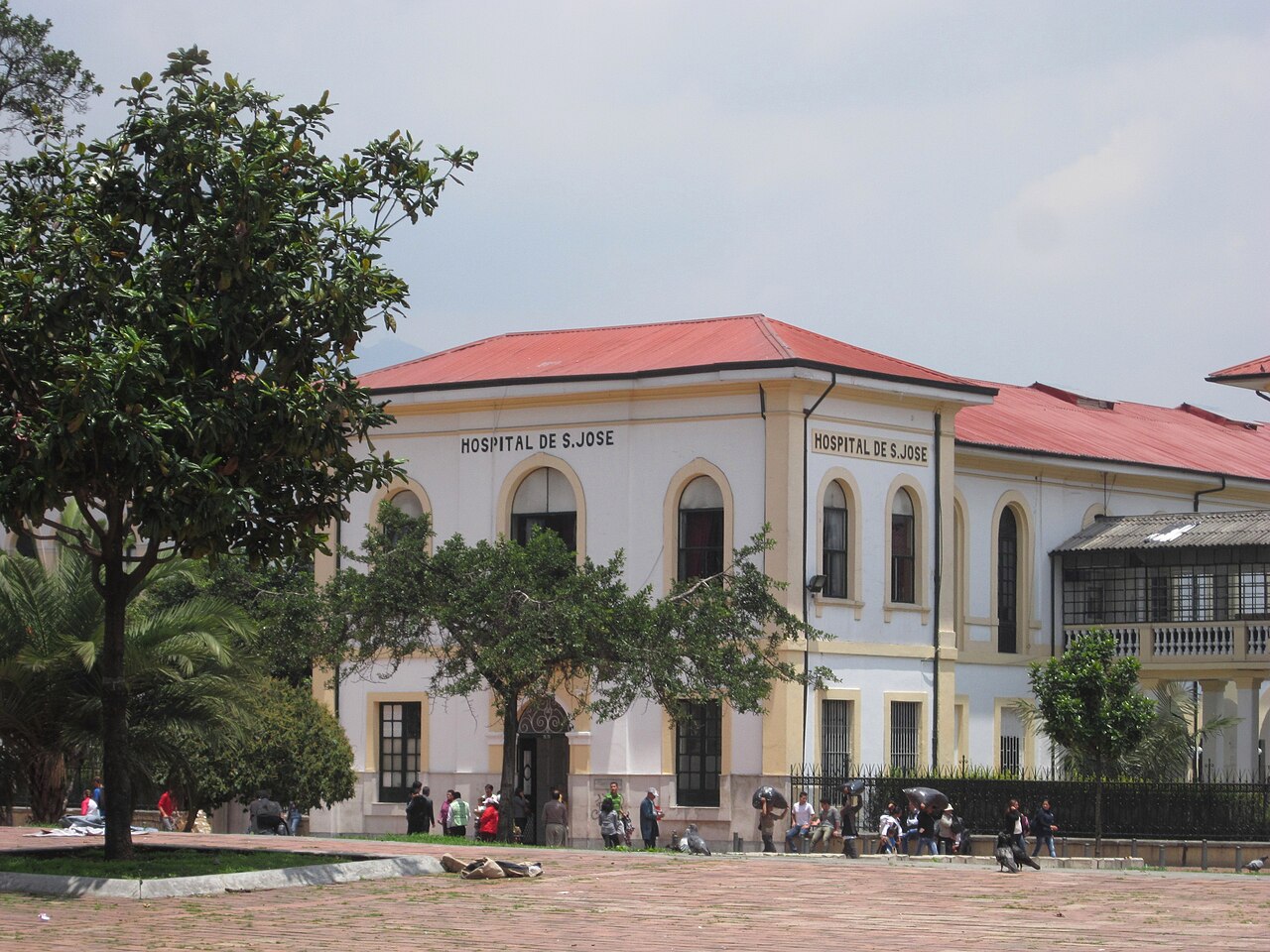
President Abelardo De la Espriella says Colombia will liquidate health insurers that cannot survive on their own. He announced the plan this Saturday in Bogotá.
The insurers are called EPS, short for Entidad Promotora de Salud. They manage private health plans for Colombia’s public health system.
Under Colombia’s system, people pay into an EPS. The EPS then pays hospitals and clinics for their care.
When an EPS falls behind on payments, care can suffer for patients and providers alike. That risk is central to the government’s new plan.
A Debt Crisis Years in the Making
Colombia’s health system owed 58.06 trillion pesos (about US$18.6 billion) in debt by the end of 2025. That amount grew 26.5% in just one year, according to a government audit.
That single-year increase alone equals about 12.16 trillion pesos (about US$3.9 billion). It shows how fast the shortfall is growing across the health system.
A government audit found that 17 of Colombia’s 26 EPS finished 2025 in the red. On average, those insurers spent 110% of every peso they collected.
Money owed to medicine suppliers jumped 33% in a single year. It rose from 2.85 trillion pesos (about US$910 million) to 3.8 trillion pesos (about US$1.2 billion).
Some hospitals, clinics and pharmacies have limited or paused care for patients from certain EPS. They point to unpaid bills as the reason, a government audit found.
A hospital and clinic trade group called UNIPS warned regulators about the risk. It said patients could soon face delays or trouble getting care, medicine and other treatments.
Only Four Insurers Meet the Bar
Just four EPS meet every financial and solvency requirement right now, according to the same audit. Together, they cover less than 2% of the country’s patients.
Three of them are Aliansalud, EPM and Salud Mía. The fourth is Anas Wayúu, an insurer for Colombia’s Wayúu Indigenous community.
The audit reviewed all 26 EPS operating in Colombia during 2025. Most fell short of the financial rules meant to protect patients’ care.
Reviewers look at how much money each EPS has in reserve. They also check whether an insurer can keep paying hospitals and clinics on time.
Nueva EPS Under the Microscope
Nueva EPS is Colombia’s largest health insurer, covering about 11.6 million people. The government has run the company under intervention since April 2024.
The insurer alone owes 25.73 trillion pesos (about US$8.2 billion) to hospitals and suppliers. That equals 44% of the entire system’s debt, a government audit found.
Nueva EPS also failed to submit certified financial statements for 2025. That gap makes it harder for auditors to confirm the company’s true financial health.
Nueva EPS’s administrator is Jorge Iván Ospina, appointed by the state to run the company. He has admitted the insurer owes money to almost everyone, Infobae reported.
Patients and doctors have criticized Nueva EPS more than any other insurer, past reporting shows. The president has not said whether Nueva EPS itself will face liquidation.
Nueva EPS alone covers more than a third of everyone under EPS intervention nationwide. That scale is one reason its finances draw so much attention from regulators, doctors and patients.
What Happens Next
President De la Espriella said the government needs to know exactly what each EPS owes. He has not named any insurer for liquidation yet.
Insurers that pass a viability test can recover under state oversight, he said. Insurers that fail will face an orderly liquidation instead, to protect patients.
El Tiempo reported a further risk in its analysis of the crisis. Liquidating an EPS without enough assets left could leave hospitals holding debts they cannot recover.
Health Minister Ana María Vesga is leading the review of each insurer’s finances. She is prioritizing the most urgent cases first.
More: Colombia news in English, every day from The Rio Times.
Frequently Asked Questions
What is an EPS in Colombia?
EPS stands for Entidad Promotora de Salud, the companies that manage Colombia’s health insurance plans.
Which EPS will be liquidated?
The government has not named specific insurers yet. It says any insurer that fails a viability test will be liquidated.
How much debt does Colombia’s health system carry?
The health system owed 58.06 trillion pesos (about US$18.6 billion) by the end of 2025. That is up 26.5% from the year before.
Which insurers currently meet every financial requirement?
Three of the four are Aliansalud, EPM and Salud Mía; the fourth is Anas Wayúu. Together, the four insurers cover less than 2% of Colombia’s patients.
Sources: Infobae, El Tiempo.
This article was produced by The Rio Times’ automated newsroom system. How we use AI · Report an error · Editorial responsibility: Matthias Camenzind, Editor-in-Chief