Colombia Blackout Cost Put at US$1.75 Million an Hour as El Niño Strains Gas
Colombia · Energy
Key Facts
- —What happened Corficolombiana estimates that power rationing would cost 5.6 billion pesos (about US$1.75 million) of output per hour.
- —Why it matters Hydropower’s share of generation fell from 78% in January to May to 59% in September, the bank says.
- —The gas squeeze The bank warns of a gas shortfall of 15% to 20% of national demand if three supply projects slip.
- —The grid today Grid operator XM reported reservoirs at 77.86% of useful capacity on 21 September 2026, down from 79.06% a week earlier.
- —The catch The hourly figure is an estimate of lost output, not a forecast that rationing will happen.
- —Who is warning Corficolombiana, part of Grupo Aval, is the largest shareholder of Promigas, which owns the SPEC gas import terminal.
A Colombian investment bank has priced an hour of power rationing. Its bigger warning is about gas, the fuel Colombia now leans on as its rivers run low.
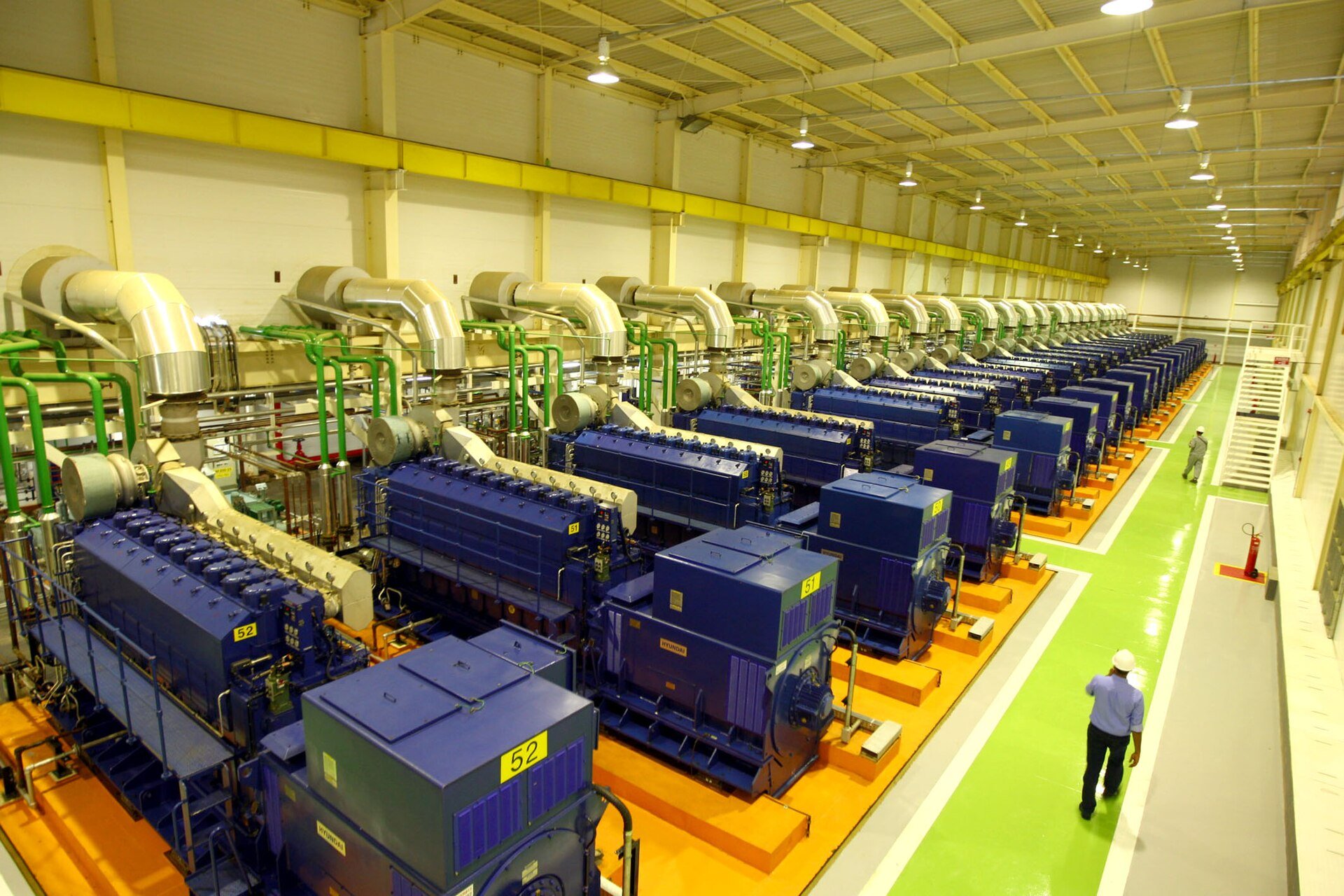
A new Colombia blackout cost estimate puts each hour of power rationing at 5.6 billion pesos (about US$1.75 million) in lost output. The figure comes from Corficolombiana, the investment bank of the Grupo Aval conglomerate.
Its report was covered on Tuesday 22 September 2026 by the magazine Semana and by Bloomberg Línea. The bank’s sharper warning concerns gas, the fuel Colombia now burns to replace water in its dams.
El Niño, the Pacific warming that brings drought to much of Colombia, is strengthening. Roughly two-thirds of the country’s electricity normally comes from hydroelectric dams, so dry rivers quickly become a power problem.
What the hourly figure measures
In Spanish the report gives the figure as “5.600 millones” per hour. That is 5,600 million pesos (about US$1.75 million), or 5.6 billion in English usage.
Semana reported the bank’s wording as the cost “sobre el PIB”, meaning the hit to gross domestic product from an eventual rationing. The value is measured at 2025 prices.
It is not new. Fabián Osorio, who heads sector research at Corficolombiana, gave a similar figure to the business daily Portafolio on 3 June 2026.
The report does not predict that rationing will happen. Colombia last imposed nationwide power rationing in 1992 and 1993, during another strong El Niño.
Dollar figures here use a rate of 3,192.53 to the US dollar. That is the official TRM exchange rate set by the Financial Superintendency for 22 September 2026.
A grid leaning harder on gas
Hydropower produced 78% of Colombia’s electricity from January to May, with thermal plants at 13%, according to the report. By September, hydro had fallen to 59% and thermal generation had risen to 31.6%.
Water inflows to the reservoirs were 25% below the historical average in August, the bank says. By 15 September the shortfall had widened to 27%.
XM, the company that runs Colombia’s grid and wholesale power exchange, publishes the reservoir figures daily. Its data show useful storage slipping from 79.06% on 14 September to 77.86% on 21 September 2026.
Inflows from 1 to 21 September added up to about 69% of the historical average for those days, according to XM data. The dams are still fairly full, but they are being drawn down.
The report also flags a widening gap in firm energy, the supply generators can guarantee in a dry year. Citing XM, it puts the gap at 7.7% of projected 2026-2027 demand, up from 4.4% three months earlier.
New plants are late. Only 23% of the 4,475 megawatts of generating capacity scheduled for 2026 had entered service by 10 September, the bank says.
The gas squeeze
Thermal plants in Colombia run mostly on natural gas. Their gas demand grew 85% year on year in August, according to Corficolombiana.
The bank expects a jump similar to the last El Niño, when thermal plants’ gas use nearly tripled in 2024. Such a jump would exceed the extra supply capacity expected, it says.
The report names three critical projects: a bigger SPEC import terminal on the Caribbean coast, and terminals at Buenaventura and Puerto Bahía. If they slip, the bank warns of a gas deficit of 15% to 20% of demand.
The SPEC expansion adds about 58 million cubic feet a day, roughly 6% of national demand. It is due on 1 October 2026, while domestic supply shrinks.
Canacol Energy, which serves the Caribbean region, produced as much as 220 billion British thermal units a day in 2021 and 2022. By August 2026 it was below 60, the bank says.
Gas shortages have their own cost, which the bank prices with values from UPME, the state energy planning unit. By that measure, a 1% shortfall for power plants costs 867 million pesos (about US$272,000) a day.
A 1% shortfall for households would cost about 455 million pesos (about US$143,000) a day, on the same method. The figures come from the bank’s report as reported by Semana and Portafolio.
Who is sounding the alarm
Corficolombiana is not a neutral observer of gas policy. It is the largest shareholder of Promigas, the gas transport and distribution group that owns SPEC, Semana reported in July.
That makes the bank an interested party in the terminal expansion its own report calls critical. No one has alleged any wrongdoing by the bank or Promigas.
The warning follows a separate study presented at the annual congress of Acolgen, the generators’ association, and reported on 18 September. Lumen Economic Intelligence, an economic consultancy, priced a repeat of the 1992-1993 rationing at 30.7 trillion pesos (about US$9.6 billion).
The two figures measure different things. Lumen modelled 343 days of cuts, as in 1992-1993, while Corficolombiana gives a cost per hour of rationing.
What comes next
Corficolombiana’s report puts the chance that El Niño reaches very strong intensity in the last quarter of 2026 at 98%. IDEAM, Colombia’s weather and hydrology institute, gives a 75% chance it becomes the strongest on record, El Nuevo Siglo reported.
The bank also expects power demand growth above 10% in the fourth quarter, after a 6.5% rise in August. That leaves little slack on the grid.
The government has a liquidity programme called Plan Energía Ya, worth 1.5 trillion pesos (about US$470 million), to keep the sector running. Whether gas imports arrive on time may matter more.
For now, the Colombia blackout cost remains a warning rather than a bill. The coming dry months will show whether the dams and the import terminals can hold.
More: Colombia coverage, every day from The Rio Times.
Frequently Asked Questions
Is it 5.6 billion or 5.6 trillion pesos per hour?
It is 5.6 billion pesos (about US$1.75 million) per hour. The Spanish original says “5.600 millones”, which is 5,600 million. In Spanish, “billones” means trillions, and the bank did not use that word for this figure.
Is Colombia rationing electricity now?
No nationwide power rationing has been announced. Corficolombiana’s figure describes what rationing would cost if it happened. Colombia last imposed nationwide power cuts in 1992 and 1993.
Why does gas matter so much for Colombia’s electricity?
When El Niño dries up rivers, hydroelectric dams generate less and gas-fired thermal plants fill the gap. Corficolombiana says thermal plants supplied 31.6% of power in September, and their gas demand rose 85% in August.
How does this compare with other estimates of the Colombia blackout cost?
Lumen Economic Intelligence priced a repeat of the 1992-1993 rationing at 30.7 trillion pesos (about US$9.6 billion). That covers 343 days of cuts, while Corficolombiana’s figure is per hour.
Sources: Bloomberg Línea on the Corficolombiana report, Semana on the hourly cost, Portafolio on the gas risk, Portafolio on the June estimate, El Nuevo Siglo on El Niño probabilities, Semana on Corficolombiana’s holdings, La República on the Lumen study, El País on the Acolgen congress, El Colombiano on hydropower’s share, XM reservoir and inflow data, Official TRM exchange rate
This article was produced by The Rio Times’ automated newsroom system. How we use AI · Report an error
In depth
Read More from The Rio Times