China and Iran Strengthen Ties Amid Middle East Tensions
As tensions rise in the Middle East, particularly with the ongoing conflict involving Israel and Iran-backed Hezbollah, China has reaffirmed its commitment to deepening ties with Iran.
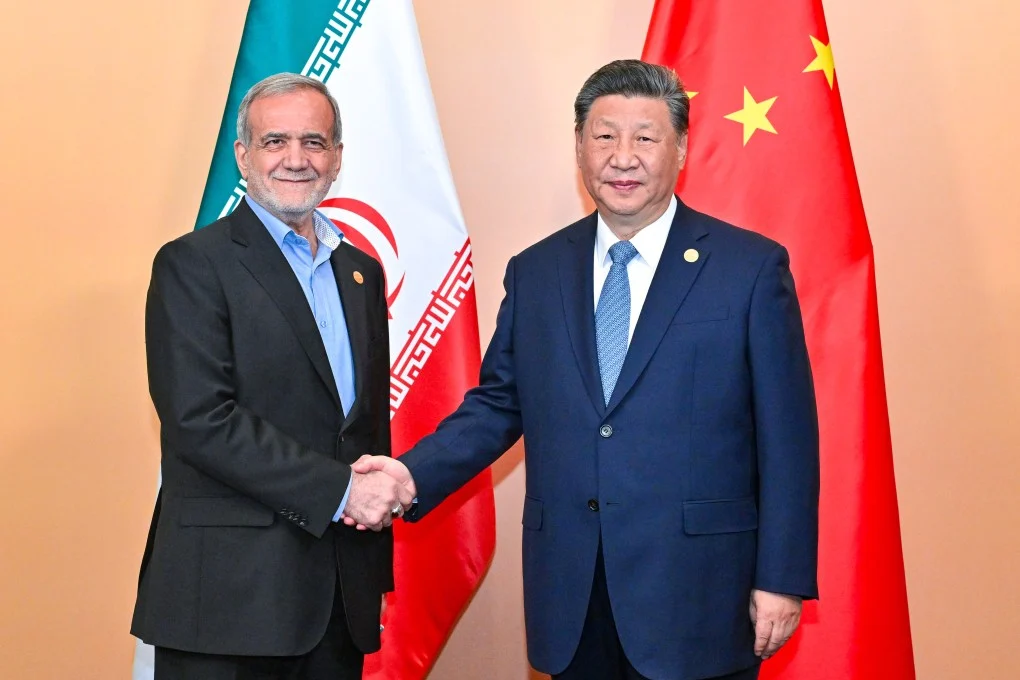
This was highlighted during a meeting between Chinese President Xi Jinping and Iranian President Masoud Pezeshkian at the BRICS summit in Kazan, Russia.
The meeting underscored China’s strategic interests in the region, which include energy security, economic partnerships, and increased political influence.
China and Iran have been strengthening their relationship through strategic agreements and geopolitical considerations. In 2021, they signed a 25-year cooperation agreement aimed at enhancing economic and strategic ties.
This agreement involves significant Chinese investments in Iran’s economy, particularly in sectors like oil, gas, petrochemicals, infrastructure, and clean energy.
These investments align with China’s broader Belt and Road Initiative (BRI), which seeks to enhance global trade routes and establish long-term economic influence.
China’s Strategic Partnership with Iran
During the BRICS summit, President Xi emphasized China’s unwavering support for Iran’s sovereignty amid regional conflicts. He advocated for a ceasefire in Gaza “at the earliest possible date,” reflecting China’s diplomatic stance aimed at promoting stability.
This aligns with China’s broader strategy of positioning itself as a global peacemaker while countering Western influence. Iranian President Pezeshkian expressed Tehran’s willingness to enhance cooperation with China in key economic areas.
He also pledged support for China’s core interests, framing this partnership as a counterbalance to perceived Western hegemony.
This rhetoric underscores the geopolitical alignment between China and Iran against U.S. policies in the region. China’s deepening ties with Iran come at a time when the Middle East is fraught with conflict and instability.
The ongoing hostilities between Israel and Hezbollah have heightened fears of a broader regional war. China’s diplomatic engagement with Iran is part of its strategy to maintain influence while avoiding direct involvement in military conflicts.
However, China’s balancing act is complex. While it seeks to strengthen ties with Iran, it must also manage its relationships with other Middle Eastern countries, including Saudi Arabia and Israel, who are wary of Iran’s regional ambitions.
This diplomatic tightrope reflects China’s broader foreign policy challenge of sustaining its economic interests without alienating key partners.
In conclusion, China’s commitment to deeper cooperation with Iran amid Middle Eastern tensions highlights Beijing’s strategic ambitions in the region.
While this partnership offers economic opportunities for both nations, it also presents challenges related to regional stability and international relations.
As China navigates these dynamics, its role as a potential mediator or stabilizing force in the Middle East will be closely watched by global powers.
This article was produced by The Rio Times’ automated newsroom system. How we use AI · Report an error
Read More from The Rio Times