Chile Cannabis Case Weakens as an Appeals Court Frees Eight of the Accused
CHILE · JUSTICE
Key Facts
- —The operation 13 August 2026, run by the Aysen regional prosecutor’s office with the Carabineros drugs unit.
- —The scale 38 detention orders and 42 search warrants across nine regions, from Antofagasta to Aysen.
- —The allegation The Chile cannabis charge is that licensed medicinal dispensaries were used as cover for illegal supply.
- —The reversal On Friday 11 September an appeals court unanimously freed eight men from pre-trial detention.
- —The challenge A separate complaint alleging falsified official documents by the investigators was ruled admissible on Thursday.
- —The catch Nobody has been convicted. All 38 remain accused, and the investigation continues.
Five hundred police officers and 42 raids in August. By Friday most of the senior defendants were out of custody and the evidence itself was in question.
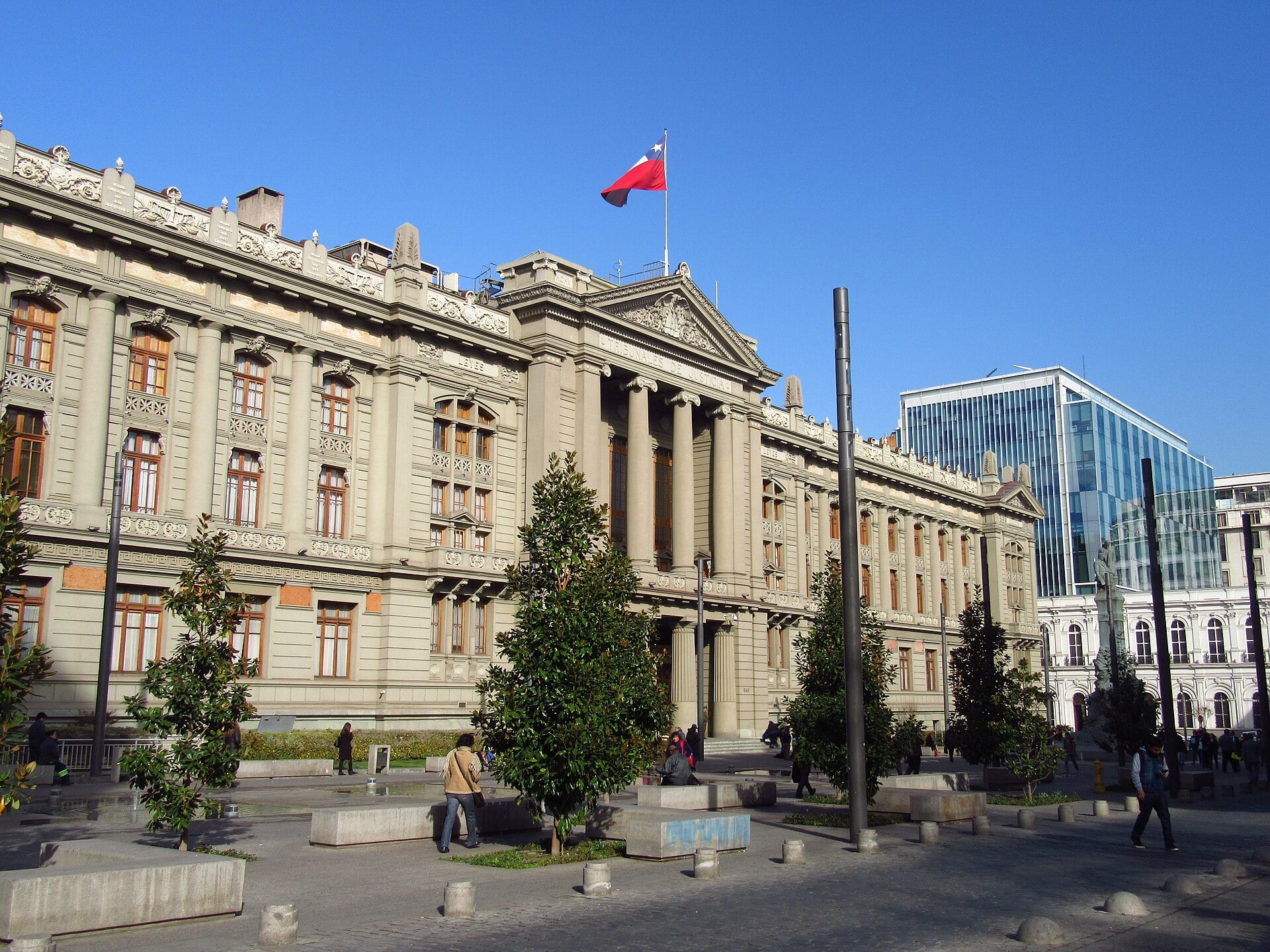
The largest Chile cannabis trafficking case of the year is going badly for the prosecution. On Friday an appeals court in Santiago freed eight of the accused.
The Fourth Chamber acted unanimously. It revoked pre-trial detention for eight men and lifted house arrest for two more.
They were replaced with lighter measures. Those are a travel ban, fortnightly reporting and an order not to contact each other.
What the Operation Was
The raids took place on 13 August 2026. They were run by the regional prosecutor’s office in Aysen with the drugs unit of the Carabineros police.
More than 500 officers and around 20 assistant prosecutors took part. There were 38 detention orders and 42 search warrants.
The searches covered nine of Chile’s regions. They ran from Antofagasta in the north to Aysen in the far south.
The main cultivation site is alleged to have been at Pelarco, in the Maule region. Prosecutors describe a network operating across several companies.
The Allegation
The charges are drug trafficking, illegal cultivation, criminal association and money laundering. They fall under the country’s drugs statute.
The specific claim is about cover. Prosecutors allege that licensed medicinal cannabis dispensaries were used to move product into the illegal market.
The prosecution said explicitly that the case is not aimed at medicinal cannabis itself. It stated it is not directed against patients or therapeutic use within the legal framework.
That distinction matters. The Chile cannabis market has a lawful medicinal side, licensed under permit, on which a large patient community depends.
The Defendants
Thirty-eight people were formally charged on 18 August at a Santiago guarantee court. Prosecutors named an alleged leadership structure.
The alleged principal shareholder is Andres Astorga. His father Mario Astorga de Valenzuela is described by prosecutors as the general manager.
Gino Athens is alleged to have handled finances and Matias Landerer distribution. A lawyer, Hernan Bocaz, is accused of advising the organisation.
The best-known name is Camilo Huerta, a former television personality. He was detained at Santiago airport on 17 August as he arrived from the United States.
Huerta has publicly said he was set up. None of the 38 has been convicted of anything.

Why the Court Let Them Out
The appeals court gave a plain reason. It said prosecutors had not put forward material of sufficient weight to make detention the only indispensable measure.
Eight were released from custody. They are Andres Astorga, Mario Astorga, Gino Athens, Rodrigo Buzeta, Matias Landerer, Sergio Olmedo, Luis Quintanilla and Raimundo Silva.
Two others, Tomas Heusser and Jorge Musa, had house arrest lifted. The measures replacing detention are restrictive but not custodial.
This is not an acquittal and it is not a dismissal. It is a finding that the evidence shown so far does not justify holding people before trial.
The Evidence Is Now Itself Under Investigation
A day before that ruling, a court accepted a complaint against the investigators. It alleges falsification of public documents.
It was filed by William Vasquez Martinez, who directs a regional medicinal dispensary corporation in Patagonia. It names police drugs-unit personnel and the Aysen prosecutor’s office.
His claim concerns a confidential official document. He says it wrongly recorded him as having reported drug offences and admitted cultivation.
Ruling a complaint admissible is not a finding that it is true. It means a court has agreed it can proceed.
Where This Leaves the Case
The investigation is open and the charges stand. But most of the senior defendants are now at liberty.
The prosecution has to build the case it did not show the appeals court. It has to do that while its own paperwork is being examined.
There is a separate Chilean police scandal in the news this month involving a former prosecutor and a fake police station. It is a different case with different defendants and no established connection to this one.
Several politicians have been named in press coverage around the cannabis case. None of them is accused by any prosecutor, and those who were asked have denied knowing the defendants.
More: Latin America news in English, every day from The Rio Times.
Frequently Asked Questions
What is the Chile cannabis case about?
Alleged drug trafficking, illegal cannabis cultivation, criminal association and money laundering, with licensed medicinal dispensaries said to have been used as cover.
What happened on Friday?
The Fourth Chamber of the Santiago Court of Appeals unanimously revoked pre-trial detention for eight accused and lifted house arrest for two more.
Has anyone been convicted?
No. All 38 people charged on 18 August remain accused and the investigation is continuing.
Is medicinal cannabis illegal in Chile?
No. Cultivation under permit is lawful, and prosecutors stated the case is not directed at patients or at therapeutic use within the legal framework.
Is this connected to the fake police station case?
No. That is a separate investigation into extortive kidnapping, run by different prosecutors with a different police force.
Sources: T13, Emol, Meganoticias, Ex-Ante, Cooperativa, El Mostrador.
This article was produced by The Rio Times’ automated newsroom system. How we use AI · Report an error
Read More from The Rio Times