CHILE · BUDGET
Key Facts
- What happened Chile’s joint budget committee sent the Science Ministry’s 2027 budget line to the Chamber with a negative report.
- Money Spending is set at CLP 91.2 trillion (about US$93 billion), up 1.5% in real terms.
- Next The Chamber of Deputies takes the bill next, then the Senate; Congress has 60 days from the 30 September filing.
- Deficit The budget office targets a structural deficit of 1.8% of GDP, down from a 2.6% target for 2026.
- Power Index Chile ranks 3rd of 14 in The Rio Times Latin America Power Index, with 62.9 points (November 2026 edition).
Chile’s joint budget committee has sent the Science Ministry’s 2027 budget line to the Chamber of Deputies with a negative report, a setback for President José Antonio Kast’s conservative government.
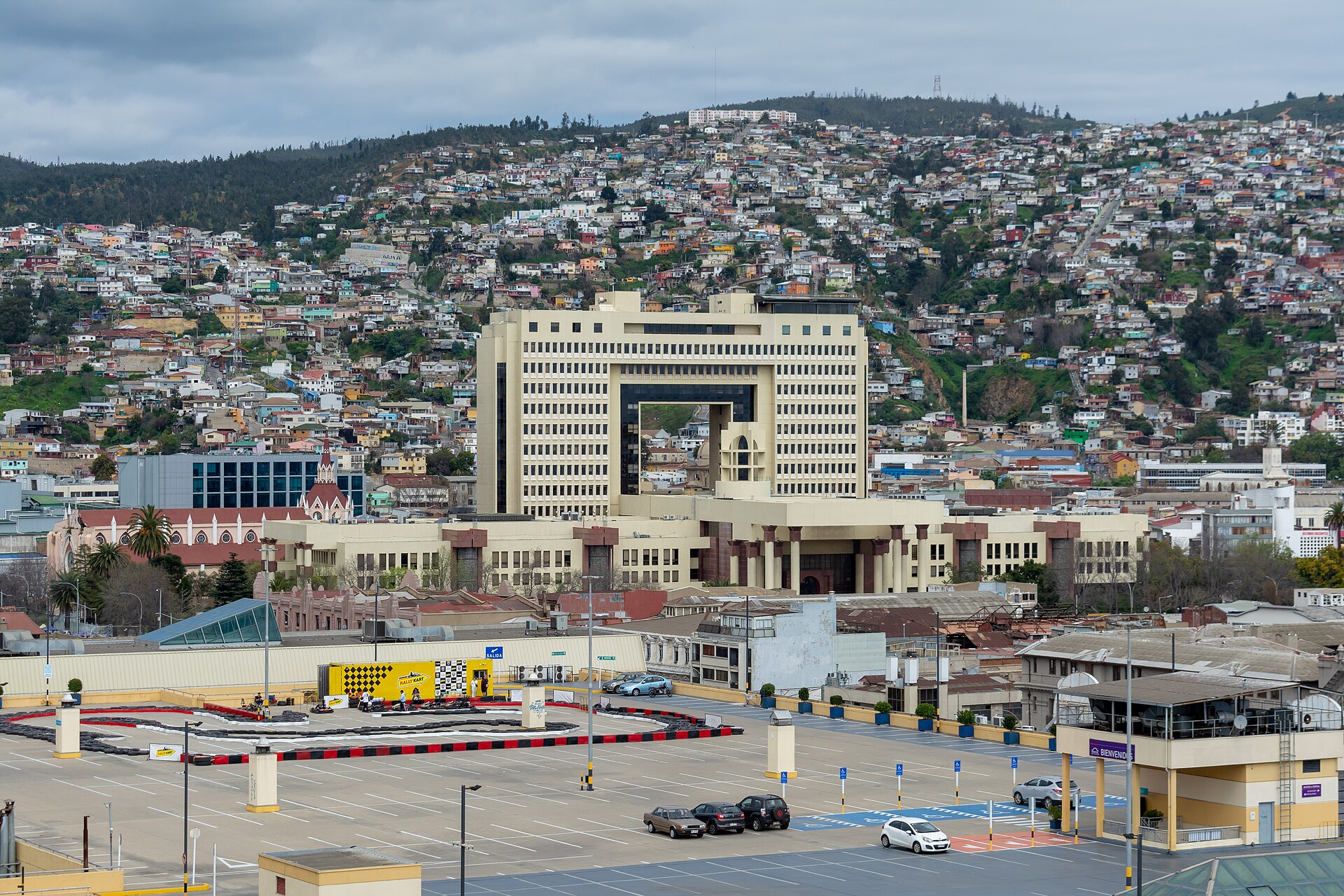
A joint committee of Chile’s Congress advanced the Science Ministry’s 2027 budget line to the Chamber of Deputies with a negative report by Thursday, 5 November 2026. It is a setback for President José Antonio Kast, who took office in March 2026.
For US readers, Chile matters because it is the world’s largest copper producer, and investors in its peso and bonds watch fiscal signals closely. The government’s budget office, Dipres, sets 2027 spending at CLP 91.2 trillion (about US$93 billion at about 976 pesos per dollar, the market close on 6 November).
What Happened
The joint budget committee, made up of senators and deputies, reviews each ministry’s budget line, called a partida. It cleared the Health, Defence, Foreign Affairs, Economy and Public Lands lines on Thursday, 5 November, and approved the Finance line unanimously, 26 votes to 0.
The Science Ministry’s budget was rejected earlier in a budget sub-committee on 21 October. The joint committee did not vote on it again because the government filed no amendment, so it moves on with a negative report.
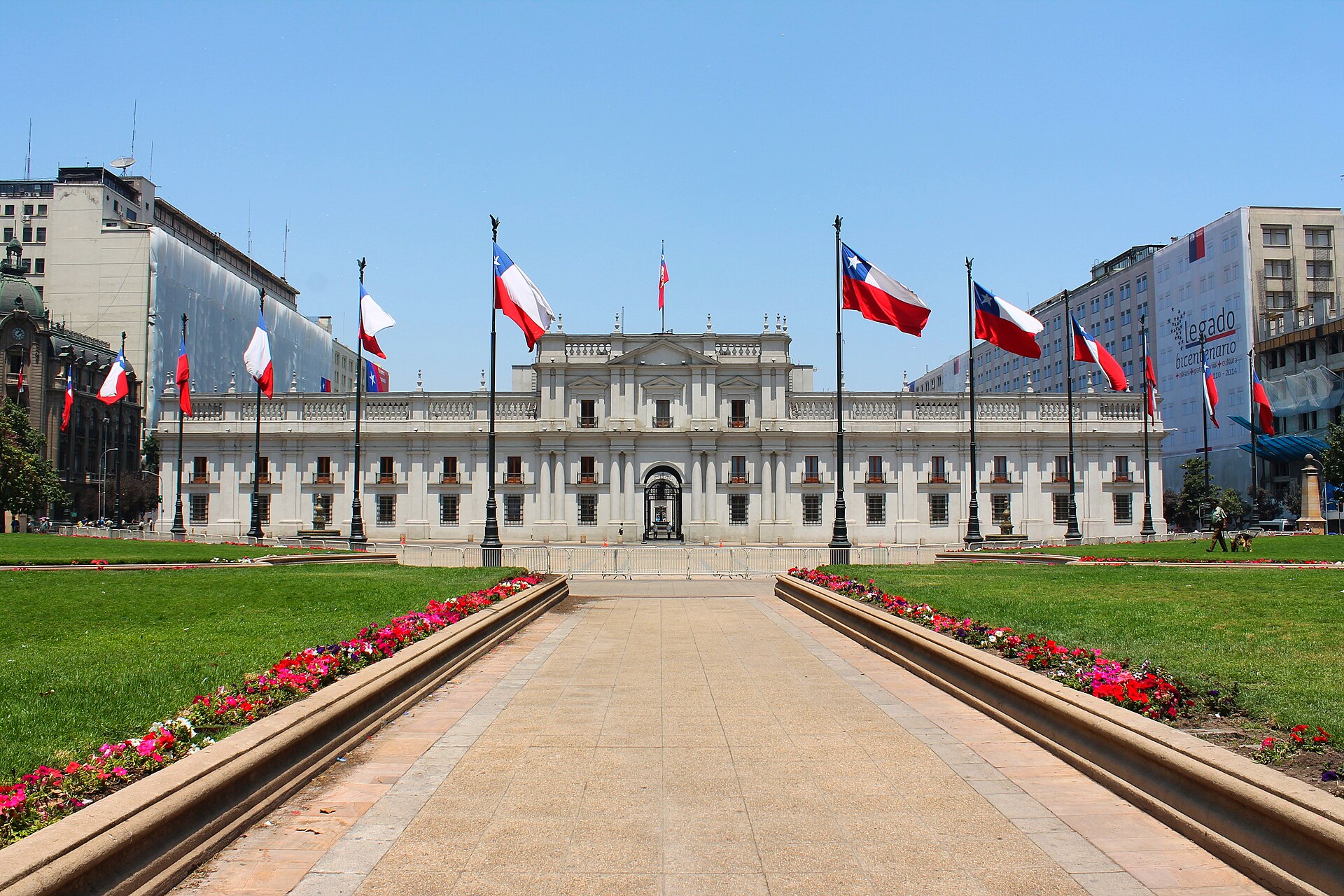
The Customs Service chapter inside the Finance budget was also rejected in a separate vote. A primary-care programme funded through Fonasa, the public health insurer, tied 12 to 12 and was rejected.
Why It Matters
Spending is planned to rise 1.5% in real terms against the expected 2026 outturn, according to the budget office. It also sets a structural deficit, which strips out copper price swings, of 1.8% of GDP, down from a 2.6% target for 2026, which the budget office estimates at 2.3%.
Chile’s revenue leans heavily on copper and on taxes, as our guide to the Chilean tax system shows. For a neighbouring comparison, see our report on Ecuador’s 2027 budget proposal.
What Happens Next
The Chamber of Deputies takes the bill next, and then the Senate. The budget bill was filed on 30 September 2026, and Congress has 60 days to pass it.
What Is Not Known
The Chamber’s debate dates have not been confirmed by a primary source. We do not know whether the government will try to restore the science line during the floor debate.
More: Chile news in English, every day from The Rio Times.
Frequently Asked Questions
What did Chile’s joint budget committee decide?
It advanced the Science Ministry’s budget line to the Chamber of Deputies with a negative report. Other lines, including the Finance line, were approved.
How big is Chile’s 2027 budget?
The budget office plans spending of CLP 91.2 trillion (about US$93 billion). That is 1.5% more than expected 2026 spending in real terms.
Sources: Dirección de Presupuestos (Dipres), Chile’s government budget office, 2027 budget summary (https://www.dipres.gob.cl/598/w3-article-433298.html, read 8 November 2026); Chilean Congress budget committee records.
In depth
This article was produced by The Rio Times’ automated AI newsroom. Editorial responsibility: Matthias Camenzind, Publisher and Editor-in-Chief. How we use AI · Report an error