
CHILE · BANKING
Key Facts
- The country Chile is a South American country whose Supreme Court, based in Santiago, is the highest court and the last stop for appeals in civil disputes like this one.
- Why it matters Banco de Crédito e Inversiones (BCI) is a Chilean bank whose group includes City National Bank of Florida, a US bank with more than 30 branches in Florida.
- Why now The Supreme Court rejected the bank’s final appeal on 19 October 2026, more than six years after the payment, and the judiciary published the decision on 27 October.
- What happened The Supreme Court upheld the rejection of BCI’s suit to recover 30 million Chilean pesos (US$30,205) that it paid on a check with no funds behind it.
- The numbers The check was for 30 million Chilean pesos (US$30,205), the payee’s rejected counterclaim sought 100 million pesos (US$100,683), and the payment dates to February 2020.
- What it means for you A bank that pays a bad check and fails to protest it in time may have to pursue its own account holder, not the person who cashed the check.
- Still open Whether BCI will now pursue the check issuer, its own account holder, and how the bank will respond to the ruling are not yet known.
- Power Index Chile ranks 3rd of 14 in The Rio Times Latin America Power Index, with 63.6 points (October 2026 edition).
In Plain English
BCI is short for Banco de Crédito e Inversiones, a Chilean bank that belongs to a group with a Florida bank. Protesting a check means formally recording that it will not be paid, usually because the account lacks funds.
Payment of what is not owed is a Chilean civil-law claim to recover money paid without a valid debt behind it. An appeal on points of law, known as casación en el fondo, asks the Supreme Court to correct a wrong application of the law rather than to retry the facts.
Chile’s Supreme Court has ruled that Banco de Crédito e Inversiones (BCI), the Chilean bank whose group includes Florida’s City National Bank, cannot claw back 30 million Chilean pesos (US$30,205) that it paid by mistake on a check with no funds behind it. The First Chamber rejected the bank’s appeal on 19 October 2026 under case number 32.766-2025, ending a lawsuit that began after the payment in February 2020.
The court said that because BCI did not protest the check for lack of funds, the debt the check represented was extinguished, and the payee was therefore the wrong person to sue. Any payment above the available funds, it said, creates claims only against the account holder who issued the check.
How a Bank Paid a Check With No Funds
On 7 February 2020 Banco de Chile, collecting on behalf of the payee, presented to BCI a named check for 30 million Chilean pesos (US$30,205) drawn by a BCI customer. The issuer’s account lacked the funds, but BCI paid anyway because of an IT contingency, the ruling records, and did not protest or object to the check within the interbank clearing deadlines, so the money was released to the payee.
On 12 February 2020, five days after the presentation, the issuer emailed a BCI office head saying the check had been given as a guarantee for a business deal then before a court and should never have been cashed, according to the first-instance ruling. A banking-industry report of the same date, also cited there, listed four protested or unpaid documents of the issuer at BCI in July, October, November and December 2019.
What the Courts Decided
BCI sued the person who cashed the check under the rule known as payment of what is not owed, asking for the 30 million pesos (US$30,205) plus interest and costs. The payee answered that the suit should have been aimed at the issuer, the only person who benefited, and he counterclaimed for 100 million Chilean pesos (US$100,683) in moral damages.
On 5 October 2022 the Eighth Civil Court of Santiago rejected BCI’s claim and also the payee’s counterclaim, finding that the alleged moral harm was not proved. The Santiago Court of Appeals confirmed the ruling on 14 July 2025, and BCI then filed an appeal on points of law, known as casación en el fondo, which the Supreme Court dismissed on 19 October 2026.
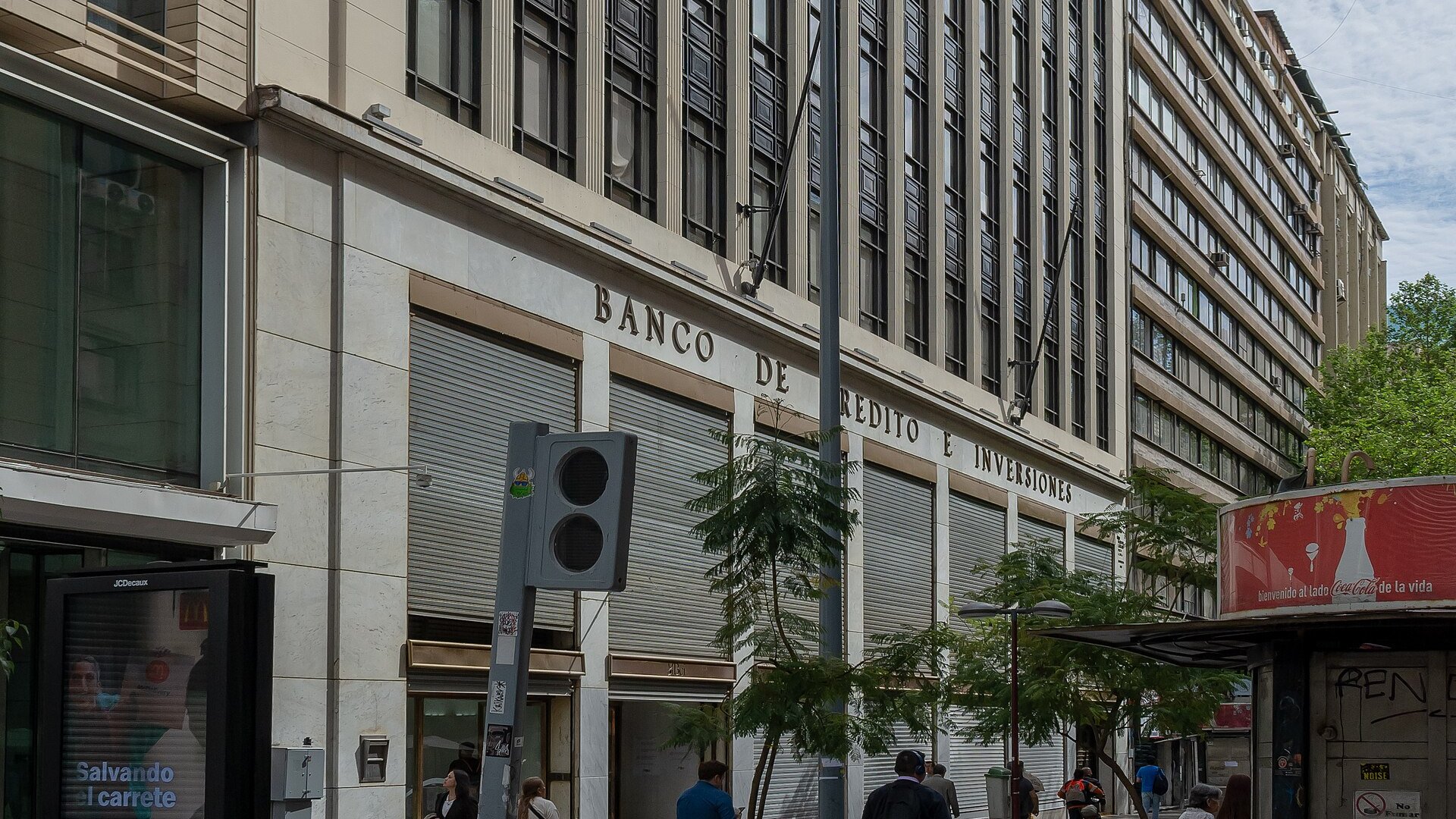
The Supreme Court noted that BCI’s lawsuit said the check was a guarantee paid because of an IT error, while its appeal argued the check had been protested, a line it had not raised earlier. It also said a check cannot be paid and protested at the same time, and that a bank may refuse payment only on listed grounds such as lack of funds, a closed account or a stop-payment order.
Conversions in this report use the observed dollar rate of the Banco Central de Chile for Friday 30 October 2026, which was 993.22 Chilean pesos per US$. At that rate the 30 million pesos at the center of the case equal about US$30,205, and the 100 million pesos in the rejected counterclaim equal about US$100,683.
BCI and Its US Link
BCI’s group includes City National Bank of Florida, a US bank founded in 1946 with more than 30 branches in Florida and FDIC membership, according to BCI’s website. The same page lists a BCI branch in Miami and a Miami brokerage, BCI Securities, that offers access to US and global securities markets, and background on the bank is in the Banco de Crédito e Inversiones profile.
BCI has scheduled a conference call on its third-quarter results for Tuesday 3 November 2026 at 9:00 a.m. Eastern time, according to its investor relations page. The ruling concerns a single payment of about US$30,205, which is small for a bank with international operations, but it shows how Chilean courts treat payment errors.
What It Means for You
For customers of Chilean banks, the case shows that a bank which pays a check despite empty funds, and does not protest it in time, may not be able to recover the money from the person who received it. The bank’s remedy, as the court described it, is against its own account holder, who issued the check, and more Chilean news is on the Rio Times Chile page.
Recipients of checks gain from the result, though the case turned on its own facts, including the bank’s change of argument between its lawsuit and its appeal. Account holders, including US residents with Chilean accounts, should note that payment disputes can run for years, as this one did from February 2020 to October 2026.
What Is Not Known
Whether BCI will now pursue the issuer of the check, its own account holder, and whether that customer can pay is not known. The ruling does not say whether the bank has recovered any of the 30 million pesos (US$30,205) from him.
The cause of the IT contingency that let the check through is not described beyond the bank’s own account in the case file. The claim that the check was a guarantee for a separate business deal rests on the issuer’s email and was not proved in court.
No statement from BCI on the ruling was found, so the bank’s view is unknown. Whether other courts will follow the reasoning is also not known, since the ruling covers only this dispute.
Frequently Asked Questions
What did Chile’s Supreme Court rule in the BCI check case?
The court held that BCI cannot demand 30 million pesos (US$30,205) back from the person who cashed a check it paid without funds. It said any payment beyond the available funds creates claims only against the account holder.
How much money was involved in the BCI check dispute?
The check was for 30 million Chilean pesos, about US$30,205 at the Banco Central de Chile rate of 993.22 Chilean pesos per US$ on 30 October 2026. The payee’s rejected counterclaim sought 100 million pesos, about US$100,683.
Does BCI operate in the United States?
BCI’s website lists a Miami branch, a Miami brokerage called BCI Securities and City National Bank of Florida, a US bank founded in 1946. City National has more than 30 branches in Florida and is an FDIC member.
Can a Chilean bank recover money it paid by mistake on a bad check?
Not from the person who cashed it in this case, the Supreme Court held on 19 October 2026. Any excess payment, the court said, creates claims only against the bank’s own account holder.
When did the BCI check dispute begin?
The check was presented to BCI on 7 February 2020, and the Eighth Civil Court of Santiago rejected the bank’s claim on 5 October 2022. The Supreme Court dismissed its final appeal on 19 October 2026.
Sources: Chile Supreme Court, First Chamber, ruling Rol 32.766-2025, 19 October 2026; Poder Judicial press release, 27 October 2026; Santiago Court of Appeals ruling, 14 July 2025; Eighth Civil Court of Santiago ruling, Rol C-3414-2020, 5 October 2022; Banco Central de Chile, observed dollar series, 30 October 2026 (993.22); BCI, Presencia Internacional page, accessed 31 October 2026; BCI, Investor Relations page, accessed 31 October 2026; CNN Chile, October 2026; The Clinic, 30 October 2026.
This article was produced by The Rio Times’ automated newsroom system. How we use AI · Report an error · Editorial responsibility: Matthias Camenzind, Editor-in-Chief