Chile-Argentina Border Pass Reopens After Record 35-Day Snow Closure
Chile · Trade
Key Facts
- —What happened The Paso Los Libertadores border reopened Tuesday 18 August 2026 after 35 days of snow.
- —How big a jump The closure cost US$200 million, stranding over 2,000 trucks in Argentina and 1,600 in Neuquen.
- —The real story The pass handles over 70% of Chile-Argentina freight, so shutdowns hit fruit, wine, and industry, likely raising prices.
- —The catch The US$200 million is an industry estimate, not confirmed, with some outlets reporting 34 days.
- —Who it touches Truckers, exporters, consumers, and travelers wait for the pass to open to buses and cars.
- —What comes next Watch for the pass reopening to buses and private vehicles, and for total loss statements after the freight backlog clears.
The main road between Chile and Argentina is moving freight again after the longest snow shutdown on record, with losses estimated near US$200 million.
The Paso Los Libertadores, the main highway crossing between Chile and Argentina, reopened on Tuesday 18 August 2026 after 35 days closed by snow. It is the longest closure on record, according to Chilean newspaper La Tercera.
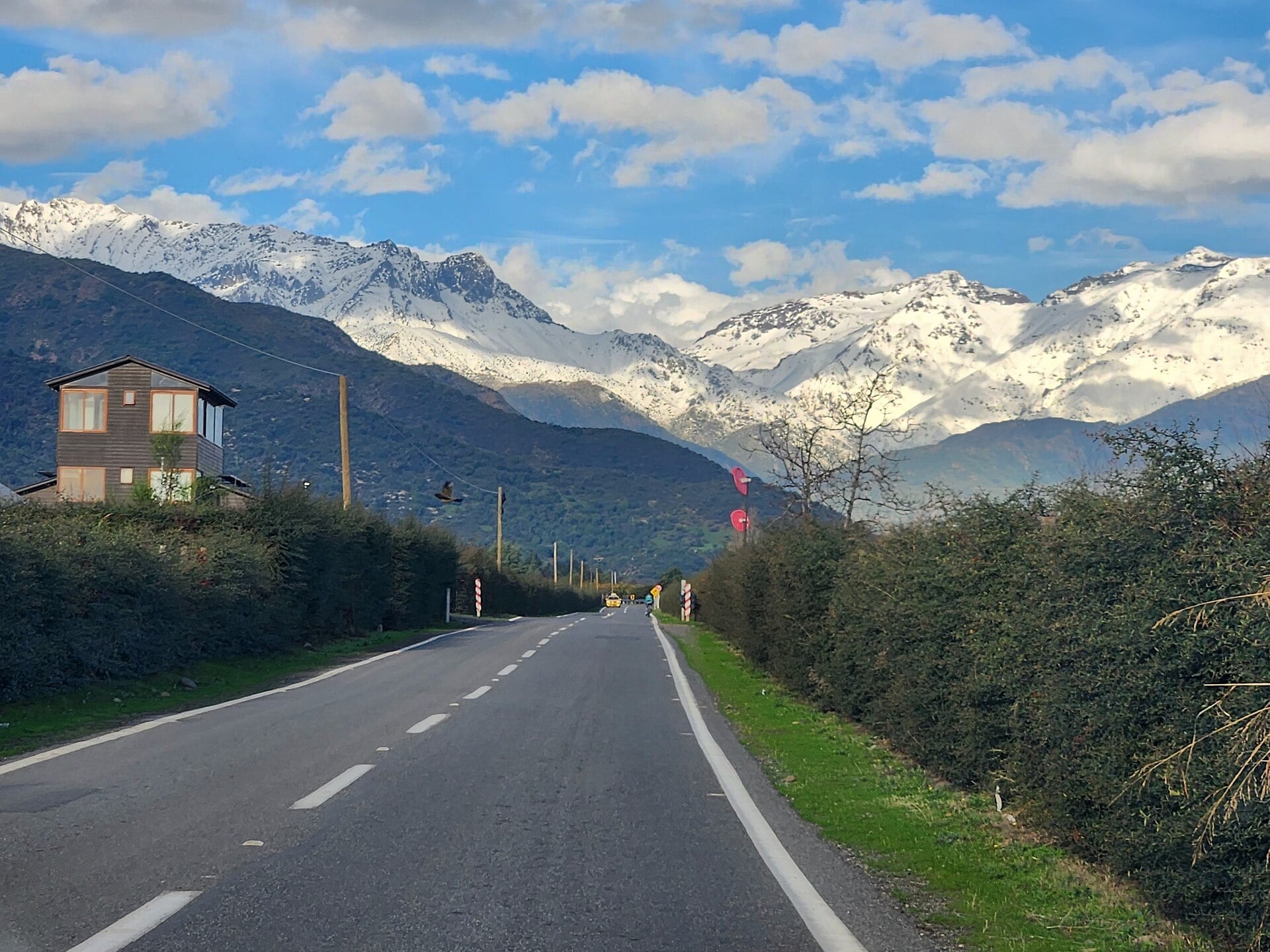
A mountain pass choked by snow
The Paso Los Libertadores, also called the Sistema Integrado Cristo Redentor, is the main road link between Chile and Argentina. It crosses the Andes at about 3,200 metres (10,500 feet) above sea level, on the route from Santiago to Mendoza.
Heavy snowfall began in mid-July 2026, piling up more than six metres (about 20 feet) of snow in the mountains. Strong winds and bad weather made the road unsafe for any vehicle.
The closure started on 14 July 2026 and lasted until 18 August 2026. That is 35 days, a record, according to La Tercera newspaper.
Some news outlets reported 34 days because they published the reopening announcement before it took effect.
The pass has been closed before, but never for this long. The previous record was far shorter, making this an extraordinary event for the region.
A costly halt for trade
The pass normally handles more than 70% of land freight between the two countries. With the road shut, trucks could not move goods like fruit, wine, and industrial products.
More than 2,000 trucks were stranded on the Argentine side, and another 1,600 were stuck in Neuquen province. Some reports said over 5,000 trucks were waiting on both sides of the border.
The Camara Aduanera, the customs chamber, and other trade groups estimate the closure cost near US$200 million. This includes parking fees, demurrage, fuel, labour, and cold-chain losses.
Daily costs per truck ranged from US$300 to US$600, depending on the cargo, according to the same industry estimates. Perishable goods like fresh fruit were hit hardest.
The economic impact ripples beyond the border. Delays mean higher prices for consumers and lost revenue for exporters on both sides.
Reopening step by step
Authorities reopened the pass gradually, allowing only freight trucks at first. The schedule is split by direction to manage the flow.
From 18 to 20 August, trucks can cross from Argentina into Chile. From 21 to 22 August, trucks can cross from Chile into Argentina.
All crossings happen between 08:00 and 20:00.
Buses and private cars are not yet allowed. The authorities want to avoid new bottlenecks and ensure the road is safe before expanding traffic.
This phased approach lets officials clear the backlog of waiting trucks without overwhelming the mountain road. It also gives crews time to inspect the route for any remaining snow or damage.
Why this matters for regional trade
For anyone living in or investing in Latin America, this pass is a vital link between two of the region’s biggest economies. Its closure forced companies to reroute or delay shipments, raising costs and hurting competitiveness.
Chile and Argentina trade heavily in fresh produce, wine, machinery, and other goods. The pass is the fastest land route for much of that commerce, so even a few days of closure can disrupt supply chains.
The reopening shows a return to normal after an exceptional event. But it is a reminder how fragile high-mountain trade routes can be.
Trucking companies and importers should plan for future snow seasons. This record closure may not be the last, and having contingency plans is essential.
The economic pain from the closure will linger, as businesses and insurers tally up their losses. Recovery will take time, even with the road open again.
What to watch next
Watch whether the pass reopens to buses and cars in the coming days. That decision will likely come after the freight backlog is cleared.
Also watch how long it takes to move the thousands of waiting trucks. The longer the backlog, the higher the costs for cargo owners.
Finally, look for any official statement about total losses. The US$200 million figure is an industry estimate, not a confirmed government number.
Expect updates from Chilean and Argentine authorities about the pass status. Travelers and freight operators should check official channels before heading to the border.
More: Chile news in English, every day from The Rio Times.
The big picture: Chile explained — economy, politics, society and daily life in one read.
Frequently Asked Questions
Why did the Paso Los Libertadores close for 35 days?
Heavy snowfall and strong winds in the high Andes made the road unsafe. Snow depth exceeded six metres (about 20 feet) in some areas.
How much did the closure cost?
The Camara Aduanera and other trade groups estimate losses near US$200 million. Daily costs per truck ranged from US$300 to US$600, depending on the cargo.
When did the pass reopen?
It reopened on Tuesday, 18 August 2026, for freight trucks only. Some outlets reported 34 days because they published before the official reopening.
Are buses and private cars allowed yet?
No. The reopening is gradual and initially for cargo trucks only. Buses and private vehicles must wait for further notice.
Connected Coverage
LatAm Pre-Open — Monday, July 20, 2026
Argentina Chile Border: Andes Pass Reopens After 25-Day Storm Ordeal
Patents Without Borders: Beijing’s Clandestine Innovation Strategy
Sources: biobiochile.cl; infobae.com; lugaresdenieve.com; adnradio.cl; elobservadormendocino.com
This article was produced by The Rio Times’ automated newsroom system. How we use AI · Report an error · Editorial responsibility: Matthias Camenzind, Editor-in-Chief
Read More from The Rio Times