Cameroon Tells the IAEA It Is Studying Civil Nuclear Power
CAMEROON · ENERGY
Key Facts
- —What happened Cameroon told the International Atomic Energy Agency that a civil nuclear feasibility study is under way.
- —Who said it Madeleine Tchuinte, minister of scientific research and innovation, who led the delegation.
- —Where At the agency’s 70th General Conference in Vienna, held from 14 to 18 September 2026.
- —The stated reasons Energy sovereignty and a path toward carbon neutrality.
- —What exists today Cameroon has no nuclear power reactors and is an agency member with safeguards in place.
- —A recent legal step A decree of 2 February 2026 set fees and taxes for activities involving ionizing radiation.
A feasibility study, a new decree on radiation fees, and no reactor anywhere in the country.
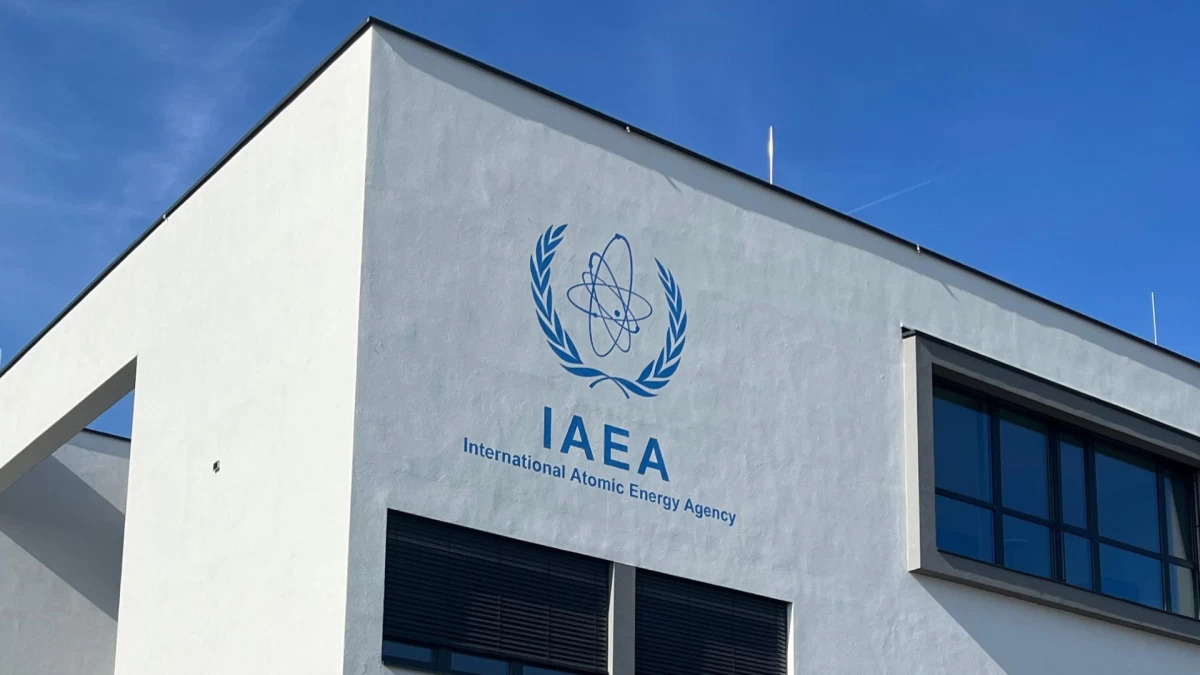
Cameroon has told the International Atomic Energy Agency that a feasibility study on civil nuclear power is under way. Scientific Research and Innovation Minister Madeleine Tchuinte set out the position on 15 September 2026.
What Cameroon Told the Conference
Madeleine Tchuinte, minister of scientific research and innovation, led Cameroon’s delegation to the agency’s 70th General Conference in Vienna. The conference ran from 14 to 18 September 2026.
She said a feasibility study on civil nuclear power is under way. Cameroon framed the work around energy sovereignty and carbon neutrality.
What a Feasibility Study Involves
A civil nuclear feasibility study asks whether a country has the grid, the finance, the regulation and the staff for a reactor. It comes long before any decision to build.
The agency has a structured process for countries at this stage. Most who begin it never reach construction.
Where Cameroon Starts From
Cameroon has no nuclear power reactors. It is a member of the agency with safeguards arrangements in place.
Safeguards are the inspection and accounting rules that confirm nuclear material is used only for declared purposes. Having them is a precondition for any civil programme.
The Legal Groundwork
A decree numbered 2026/00201, dated 2 February 2026, set fees and taxes for activities involving ionizing radiation. That covers medical, industrial and research uses.
Building a fee structure is unglamorous and necessary. A regulator that cannot fund itself cannot supervise anything.
What Cameroon Already Does With the Agency
Cameroon has taken part in the agency’s COMPASS programme since 2024. The programme supports national systems for accounting for and controlling nuclear material.
It has also received equipment under the agency’s cancer care initiative. A mammography unit was delivered to Douala General Hospital under that programme.
Why Countries Look at Nuclear Power
A reactor produces large, steady output that does not depend on weather or fuel imports. For a country importing fuel or short of firm capacity, that is the attraction.
The costs are the other side. Construction runs to billions of dollars over a decade, and the regulatory burden is permanent.
What Would Have to Come First
A grid has to be able to absorb a single large generating unit without instability. Cameroon’s grid size is the first technical question any study must answer.
Trained staff are the second. Operators, regulators and inspectors take years to develop and cannot be imported permanently.
What It Means for the Region
Several African countries have nuclear feasibility work under way, and very few have reactors. Cameroon joins a stage rather than a club.
For Central Africa the more immediate question is regional grid capacity. Power that cannot be moved across borders is worth less than power that can.
What Is Not Yet Known
No timetable, site, reactor type or cost estimate has been published. Nor has Cameroon named any technology partner.
No financing arrangement has been announced. We are not going to speculate about who might fund a project that has not been decided.
What to Watch
Publication of the feasibility study’s conclusions. That is the first checkable output of the process.
Watch also for regulatory appointments. A staffed and funded nuclear regulator is the earliest real signal that a country is serious.
More: Africa news and analysis, every day from The Rio Times.
Frequently Asked Questions
What did Cameroon announce?
That a feasibility study on civil nuclear power is under way.
Who said it and where?
Minister of scientific research and innovation Madeleine Tchuinte, at the IAEA General Conference in Vienna on 15 September 2026.
Does Cameroon have nuclear reactors?
No. It has none, and is an agency member with safeguards in place.
Why is it considering nuclear power?
The stated reasons are energy sovereignty and a path toward carbon neutrality.
What regulation exists?
A decree of 2 February 2026 set fees and taxes for activities involving ionizing radiation.
Who would fund a reactor?
No financing arrangement has been announced.
Sources: Cameroon’s statement to the 70th IAEA General Conference in Vienna, 15 September 2026; International Atomic Energy Agency programme records.
This article was produced by The Rio Times’ automated newsroom system. How we use AI · Report an error
LatAm Markets: Live Signals → — real-time movers, turnover leaders and FX across Latin America.
Read More from The Rio Times