Brazil’s Top Court Gives Congress Two Years to Regulate Indigenous Land Mining
Brazil · Politics
Key Facts
- —The ruling STF gave Congress 24 months to regulate Indigenous land mining
- —Confirmed the plenary upheld the order on Thursday, 13 August 2026
- —Origin a February 2026 injunction by Justice Flávio Dino in case MI 7516
- —Legal basis Article 231 of Brazil’s 1988 Constitution
- —Meanwhile no law exists yet, so mining on Indigenous lands stays unauthorized
The decision leaves a legal vacuum in place for now. And unauthorized garimpo across the Amazon stays illegal while lawmakers write the rules.
Brazil’s Supreme Federal Court has set a two-year deadline for Congress to write rules on Indigenous land mining, according to the court. The justices confirmed the order on Thursday, 13 August 2026, upholding an earlier injunction that found lawmakers had failed to act.
What the Court Decided on Indigenous Land Mining
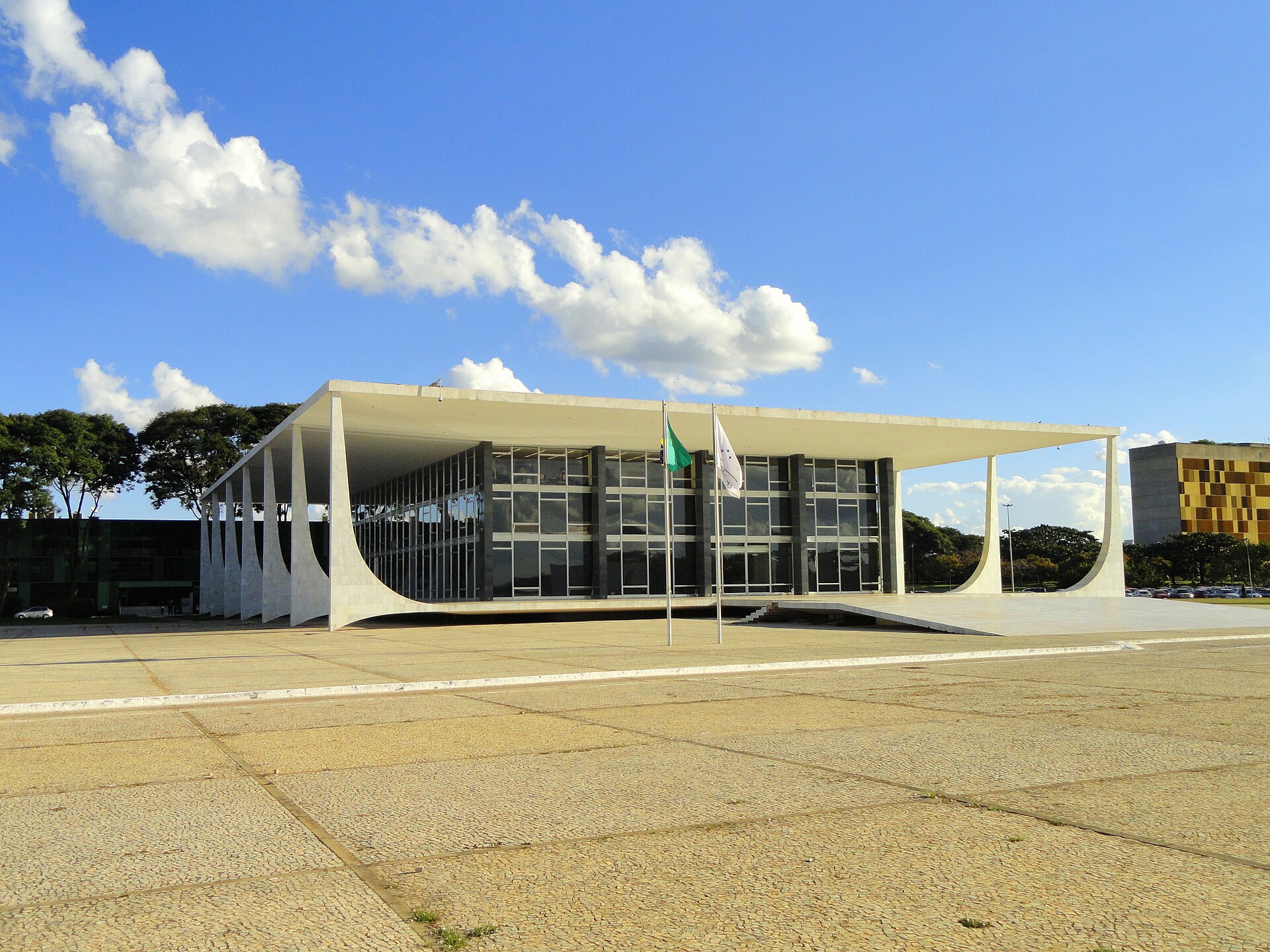
The Supreme Federal Court, known in Brazil as the STF. Gave the National Congress 24 months to pass a law governing mining on Indigenous lands.
In short, lawmakers now have until 2028 to fill a gap the court says has lingered for decades. The justices did not, however, authorize any mining themselves.
Instead, they set a clock running and told Congress to write the missing rules. Because the Constitution demands a specific law before such mining can happen, the court framed the delay as an unlawful omission.
As a result, it ordered lawmakers to close that gap within the deadline.
How the Two-Year Deadline Came About
The deadline began with a decision by Justice Flávio Dino in February 2026. Issued in a case known as Mandado de Injunção 7516.
He ruled that Congress had neglected its duty to regulate the sector for years. On Thursday, 13 August 2026, the full court then confirmed his order in a plenary session.
Therefore the 24-month clock now carries the weight of the whole tribunal, not one justice alone. According to the court, the justices also set interim guidelines to apply while Congress works.
In other words, the ruling tries to hold the line until a proper law arrives.
What Article 231 of the Constitution Requires
Article 231 of Brazil’s 1988 Constitution sets strict conditions for using resources on Indigenous lands. Its third paragraph says mineral extraction there needs a specific law and authorization from the National Congress.
In addition, the same paragraph says the affected Indigenous communities must be heard before any mining proceeds. It also guarantees those communities a share in the results of the extraction.
So the Constitution never banned such mining outright, yet it never made it easy either. Instead, it left the details to a law that Congress has still not written.
What Happens Until Congress Acts
Until lawmakers pass the required statute, the legal vacuum around Indigenous land mining remains. Because no framework exists, there is still no lawful route to open a mine on a demarcated Indigenous territory.
The court’s interim guidelines are meant to steer conduct during this waiting period. Even so, they are a stopgap rather than the detailed regime the Constitution envisions.
If Congress misses the two-year deadline, the matter could return to the justices. As a result, the pressure now shifts squarely onto lawmakers to deliver.
Why Illegal Mining Stays Illegal
The ruling changes nothing for the wildcat gold mining known in Brazil as garimpo. Because it operates without any authorization, that activity remains illegal on Indigenous lands regardless of the deadline.
Enforcement agencies can therefore keep pursuing illegal miners as before. In fact, the decision underlines that only a future law, not a free-for-all, could ever legalize mining there.
For communities living with invasions, then, the immediate reality is unchanged. Still, the ruling signals that any lawful mining must one day pass through Congress and consultation.
The Yanomami Crisis in the Background
The debate unfolds against the memory of the Yanomami emergency in Brazil’s far north. At its peak, roughly 20,000 illegal miners had invaded the territory, spreading disease and mercury pollution.
The crisis brought malaria, malnutrition and deaths, and it drew a federal response beginning in 2023. Since then, enforcement has sharply reduced mining, although invaders keep adapting their tactics.
That experience shapes how many Brazilians view the wider question. Because the human cost was so visible, the stakes of getting regulation right feel concrete rather than abstract.
The Justice Behind the Order
Justice Flávio Dino, a former governor and justice minister, wrote the original injunction. He argued that Congress had left a constitutional duty unmet for far too long.
His February decision put the question on a formal timetable for the first time. Then the plenary’s confirmation gave that timetable the force of a collective ruling.
As rapporteur, Dino framed the issue as one of legislative omission rather than mining policy. In short, his focus was on making Congress do the job the Constitution assigned it.
A Divisive Question in Brasília
Mining on Indigenous lands has long split opinion between industry interests and Indigenous advocates. Supporters of regulation say clear rules could curb the chaos of illegal mining and channel any activity lawfully.
Critics, meanwhile, fear that a law could open protected territories to large-scale extraction. Because both sides read the ruling differently, the coming legislative fight is likely to be intense.
Indigenous organizations have voiced sharp concern about how any future rules are drafted. As a result, the debate over consultation and consent is expected to dominate the process.
What the Ruling Means for the Amazon
Many Indigenous territories sit in the Amazon, where mining pressure and deforestation often overlap. Because critical minerals are in growing demand, interest in these lands has been rising.
The court’s deadline does not settle whether mining should expand or stay tightly limited. Instead, it hands that choice to Congress, within the bounds the Constitution sets.
For the rainforest, therefore, the outcome depends on the law that lawmakers eventually pass. Until then, the practical map of what is allowed stays largely as it was.
What to Watch Next
The immediate question is whether Congress takes up the task quickly or lets the clock run. Because elections and lobbying will shape the timing, progress may be uneven.
Watch, too, for how any bill handles consultation with affected communities. That single issue could decide whether a future law survives further legal challenges.
For now, the deadline is the clearest marker on the calendar. In short, the next two years will show whether Brazil finally regulates a question left open since 1988.
Frequently Asked Questions
What did Brazil’s Supreme Court decide about Indigenous land mining?
The STF gave Congress 24 months to pass a law regulating mining on Indigenous lands. The plenary confirmed the order on 13 August 2026, upholding an earlier injunction.
Does the ruling authorize mining on Indigenous lands now?
No. It sets a deadline for Congress to write rules, and no lawful mining can begin until that specific law exists.
What does Article 231 of the Constitution require?
Its third paragraph requires a specific law, authorization by the National Congress, and consultation of affected Indigenous communities. Those communities are also guaranteed a share in any results.
Is illegal mining still illegal after the ruling?
Yes. Wildcat mining, known as garimpo, remains illegal on Indigenous lands because it operates without any authorization.
Connected Coverage
Sources: Brazil’s Supreme Federal Court (STF), O Povo, Migalhas, CIMI, Mongabay and Agência Brasil.
This article was produced by The Rio Times’ automated AI newsroom. Editorial responsibility: Matthias Camenzind, Publisher and Editor-in-Chief. The Rio Times also runs Ask Rio Times, which answers from 100,000+ of our own articles, the daily Latin America Power Map, and prediction-market odds on elections and markets.. How we use AI · Report an error
Brazil runoff, Sunday, October 25: Brazil runoff date. Latest: Brazil runoff polls, Flávio 51%, Lula 49%.