Brazil’s New Top Court Chief Vows to End Era of Solo Judging
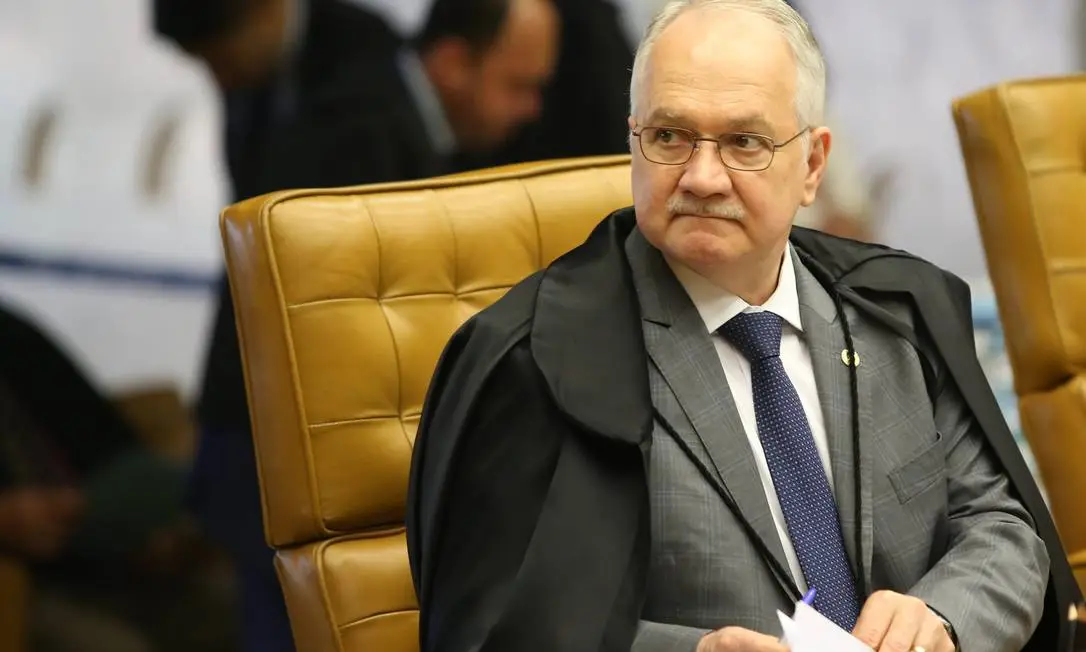
Brazil’s most powerful judicial institution faces a pivotal moment as Justice Edson Fachin assumes leadership of the Supreme Federal Tribunal, promising to transform a court plagued by internal division and external political pressure.
His presidency, which began September 29, signals a dramatic departure from the high-profile approach of his predecessor Luis Roberto Barroso.
The 67-year-old justice inherits what court observers call “eleven islands” – a fragmented institution where individual justices frequently make unilateral decisions rather than working collectively.
This personalized approach has created inconsistent rulings and undermined the court’s authority during Brazil’s most serious democratic crisis since military rule ended.
Fachin’s modest inauguration ceremony, featuring only water, coffee, and the court’s employee choir, contrasts sharply with Barroso’s tenure marked by controversial public statements like “we defeated Bolsonarism.”
The new president rejected traditional festivities and announced he will avoid expensive Air Force flights, choosing commercial airlines to reduce public spending.
Government data shows the court spent over one million reais on travel allowances in 2024, double the previous year. The institutional challenges facing Fachin extend far beyond ceremonial changes.
The court currently oversees the final stages of prosecuting former President Jair Bolsonaro and military officials for attempting to overthrow Brazil’s 2022 election results.
This historic case – the first time Brazilian military officers face accountability for anti-democratic actions – has triggered unprecedented international pressure.
President Donald Trump has imposed 50 percent tariffs on Brazilian goods and sanctioned Justice Alexandre de Moraes, who serves as Fachin’s vice president, under the Global Magnitsky Act.
Eight justices have had their American visas revoked, creating diplomatic tensions that threaten both judicial independence and bilateral relations.
Senate sources confirm dozens of impeachment requests against Supreme Court justices remain pending, while the court prepares to judge parliamentarians for alleged corruption through legislative amendments.
This mutual antagonism between branches reflects Brazil’s deeper institutional crisis, where democratic norms face pressure from multiple directions.
Fachin’s management philosophy centers on collective decision-making rather than individual prominence. He has visited each colleague individually, advocating for weekly meetings to determine court agendas collectively.
This approach aims to end the current system where individual justices often make sweeping decisions without consulting their peers.
Academic research on Brazil’s Supreme Court confirms the “eleven islands” problem, showing how institutional design allows justices to strategically choose between individual decisions and collective deliberation based on their preferred outcomes.
This flexibility has created unpredictable jurisprudence and weakened public confidence in judicial consistency. The stakes extend beyond Brazil’s borders.
International observers view the Bolsonaro prosecution as a test case for whether democracies can hold populist leaders accountable for attacking electoral systems.
Unlike similar situations in other countries, Brazil’s judiciary has maintained institutional unity in defending democratic norms, despite intense political pressure.
Fachin’s two-year presidency extends through Brazil’s next presidential election cycle, positioning him to oversee crucial decisions about democratic governance during a period of heightened political tension.
His success in unifying the court’s decision-making process may determine whether Brazil’s democracy emerges stronger or remains vulnerable to authoritarian challenges.
The transformation from “eleven islands” to unified institution represents more than administrative reform – it tests whether judicial collegiality can survive in an era where individual justices face unprecedented personal and political pressure.
More: Brazil news in English, every day from The Rio Times.
This article was produced by The Rio Times’ automated newsroom system. How we use AI · Report an error · Editorial responsibility: Matthias Camenzind, Editor-in-Chief