Brazil’s Coffee Paradox: Smaller Arabica Harvest Boosts Bean Quality as Robusta Expands
Brazil’s 2025 Arabica coffee harvest is yielding fewer beans but higher quality, while Robusta production surges to counterbalance supply gaps, according to data from Conab and industry analysts.
Arabica output will drop 13.5% to 37 million bags due to drought and its biennial low-yield cycle, as confirmed by StoneX agronomist Fernando Maximiliano.
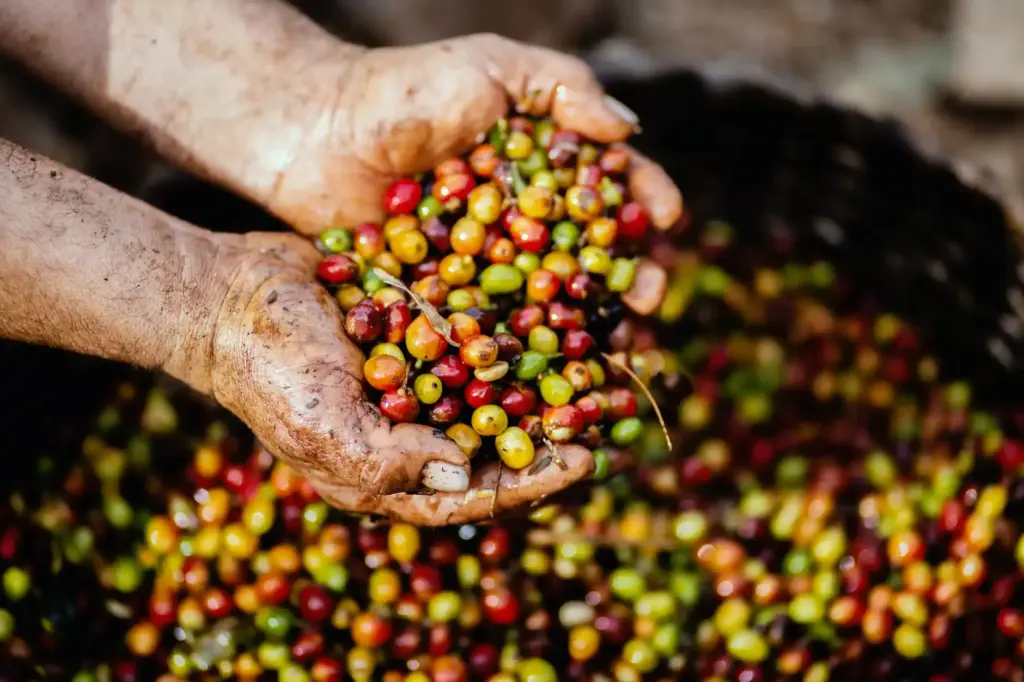
Robusta, however, jumps 27.9% to 18.7 million bags, driven by favorable rains in Espírito Santo and Bahia. Farmers in Minas Gerais’ Cerrado region report 30–40% of Arabica beans now grade as large (screen 17–18), up from prior years.
These beans pack more efficiently into 60-kg export bags, reducing processing costs. Early harvests show 20–30% defective beans from drought-stressed trees, but 70–80% meet export standards, says agronomist Jonas Ferraresso.
Peaberry beans—prized for specialty blends—also increased slightly. Only 4% of Cerrado’s Arabica crop and 12% nationwide had been harvested by late May.
A cold front threatens to delay progress, though mid-June should bring faster picking. Low Arabica stocks have tightened domestic supplies, but global demand keeps prices high.
Brazil’s Q1 coffee exports fell 1% in volume to 11.7 million bags, yet revenues soared 68.9% to $4.1 billion. Robusta’s expansion reflects strategic pivots.
Growers added irrigation and prioritized disease-resistant varieties, boosting yields. Conab now projects Brazil’s total 2025 coffee production at 55.7 million bags, up 2.7% year-on-year.
This shift cushions global markets against Arabica volatility, ensuring stable supplies for instant coffee and blends. The biennial cycle’s low phase underscores Arabica’s vulnerability to climate swings, but quality gains may offset volume losses.
Larger beans command premium prices, while Robusta’s reliability attracts risk-averse buyers. Brazil’s dual-crop strategy highlights its adaptability in balancing agricultural risks and market demands.
More: Brazil news in English, every day from The Rio Times.
This article was produced by The Rio Times’ automated newsroom system. How we use AI · Report an error
Read More from The Rio Times