Brazil’s First Wheat Ethanol Plant Aims to Cut $50M Annual Gluten Imports
Brazilian energy firm Be8 and agricultural infrastructure company Kepler Weber are constructing the nation’s first large-scale wheat-based ethanol plant in Passo Fundo, Rio Grande do Sul.
The R$1.26 billion project, backed by R$729.7 million in financing from Brazil’s National Bank for Economic and Social Development (BNDES), targets late 2026 for operational launch.
The facility will process 525,000 tons of winter cereals annually, producing 220 million liters of ethanol, 155,000 tons of animal feed, and 35,000 tons of vital gluten—a protein concentrate entirely imported by Brazil today.
The plant addresses Rio Grande do Sul’s reliance on imported ethanol, which currently meets 100% of local demand. By using lower-grade wheat, triticale, and barley unsuitable for food markets, the project optimizes underutilized winter crops.
Erasmo Battistella, Be8’s president, emphasized the dual focus on energy security and agricultural efficiency during the August 2024 groundbreaking.
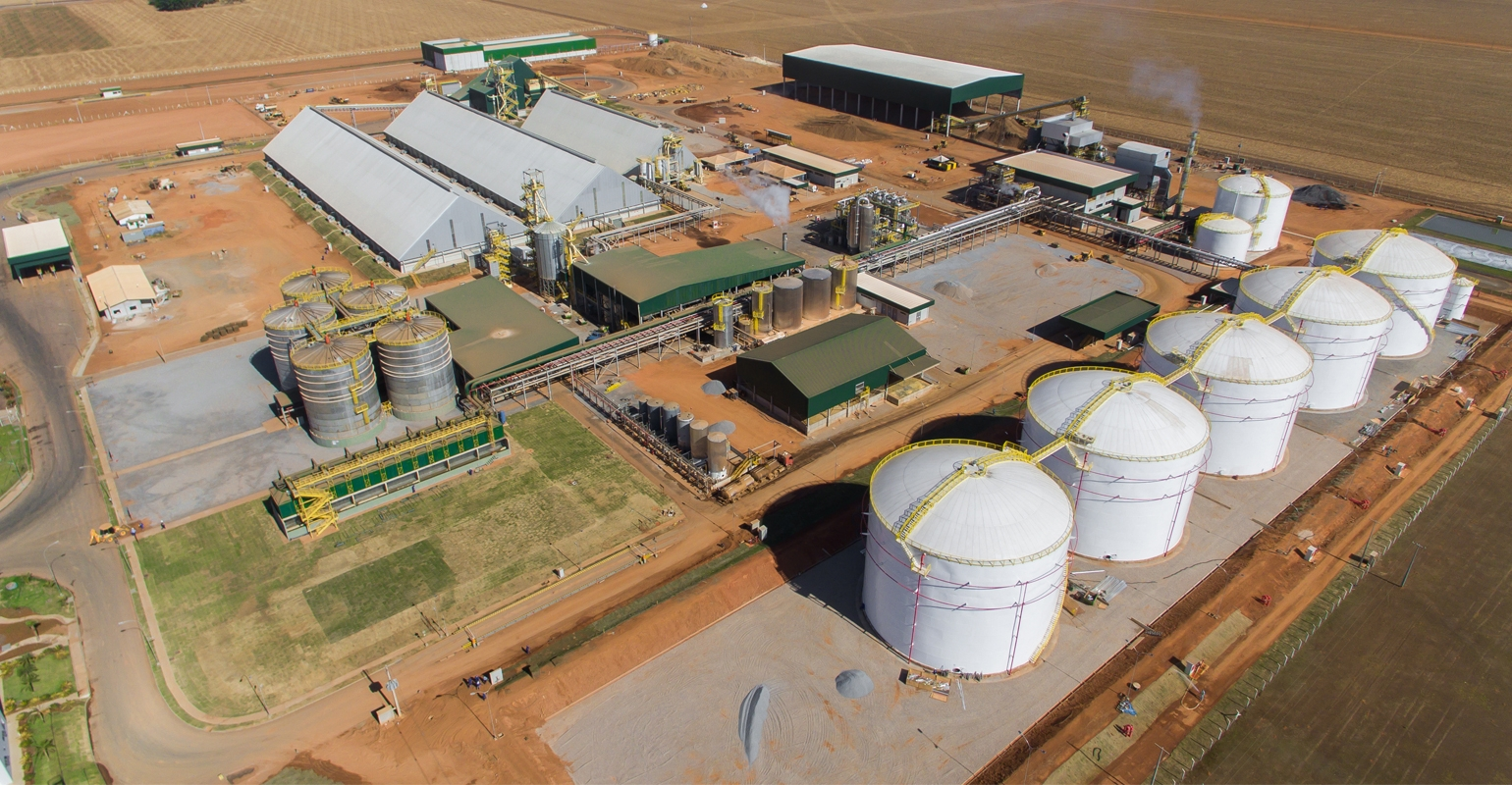
Eight storage silos with 160,000-ton capacity will ensure year-round processing, critical given wheat’s shorter harvest window compared to soybeans.
Praj and Be8’s Passo Fundo Bio‐Refinery
Indian bioengineering firm Praj Industries, a global leader in grain-to-fuel technology, is providing energy-efficient production systems. Their involvement ensures the plant meets international operational standards while minimizing costs.
Be8 is also collaborating with regional educational institutions to train workers, prioritizing local hires for construction and operations. Over 1,000 direct and indirect jobs are expected during the build-out phase.
Vital gluten production marks a strategic shift. Brazil currently spends roughly $50 million annually importing the protein additive, primarily from Europe. The plant’s 35,000-ton output could eliminate this dependency, with surplus volumes targeting Mercosur markets.
Animal feed byproducts (DDGS) will supplement Brazil’s livestock sector, reducing reliance on soy-based alternatives. Sustainability features include biomass cogeneration for electricity and effluent recycling for steam production.
Excess energy will feed into local grids, aligning with Brazil’s broader renewable energy targets. The project forms part of Be8’s expansion into biofuels under parent company ECB Group, which also oversees biodiesel, sustainable aviation fuel, and green hydrogen initiatives.
Kepler Weber’s storage infrastructure contract, its largest in five years, underscores rising demand for agro-industrial projects. CEO Bernardo Nogueira noted three similar deals signed since 2024, with six more in negotiation.
The Passo Fundo plant reflects Brazil’s push to diversify biofuel feedstocks beyond sugarcane, leveraging underused crops to reduce import costs and stabilize regional economies.
More: Brazil news in English, every day from The Rio Times.
This article was produced by The Rio Times’ automated newsroom system. How we use AI · Report an error · Editorial responsibility: Matthias Camenzind, Editor-in-Chief
LatAm Markets: Live Signals → — real-time movers, turnover leaders and FX across Latin America.