Brazil’s Booming Premium Wine Scene Defies Economic Trends
In September 2023, a buyer acquired 466 lots of the world’s most sought-after wines at a U.S. auction for $9.3 million in a remarkable sale.
Among these was the famed 1999 Romanée Conti, fetching about $275,000 per bottle. This sale underscores the luxury sector’s steady pace, unaffected by economic shifts.
It signals a bright future for premium wines, too. By 2026, their sales might jump by 50% across the Americas.
This insight comes from IWSR’s market analysis, pointing to a 16% rise in this niche alone.
This trend resonates with Brazilian importers’ experiences. They note a shift towards unique, exclusive wines.
Julia Frischtak Valente of Cellar Vinhos highlights the demand for boutique vineyard products. “Customers crave uniqueness,” she reports.
Though wine consumption dips in France, its premium bottles maintain their allure in Brazil.
Paulo Brammer of Berkmann Brazil comments, “Classic regions like Bordeaux and Burgundy remain favorites. European wineries are thus leaning towards crafting pricier selections.”
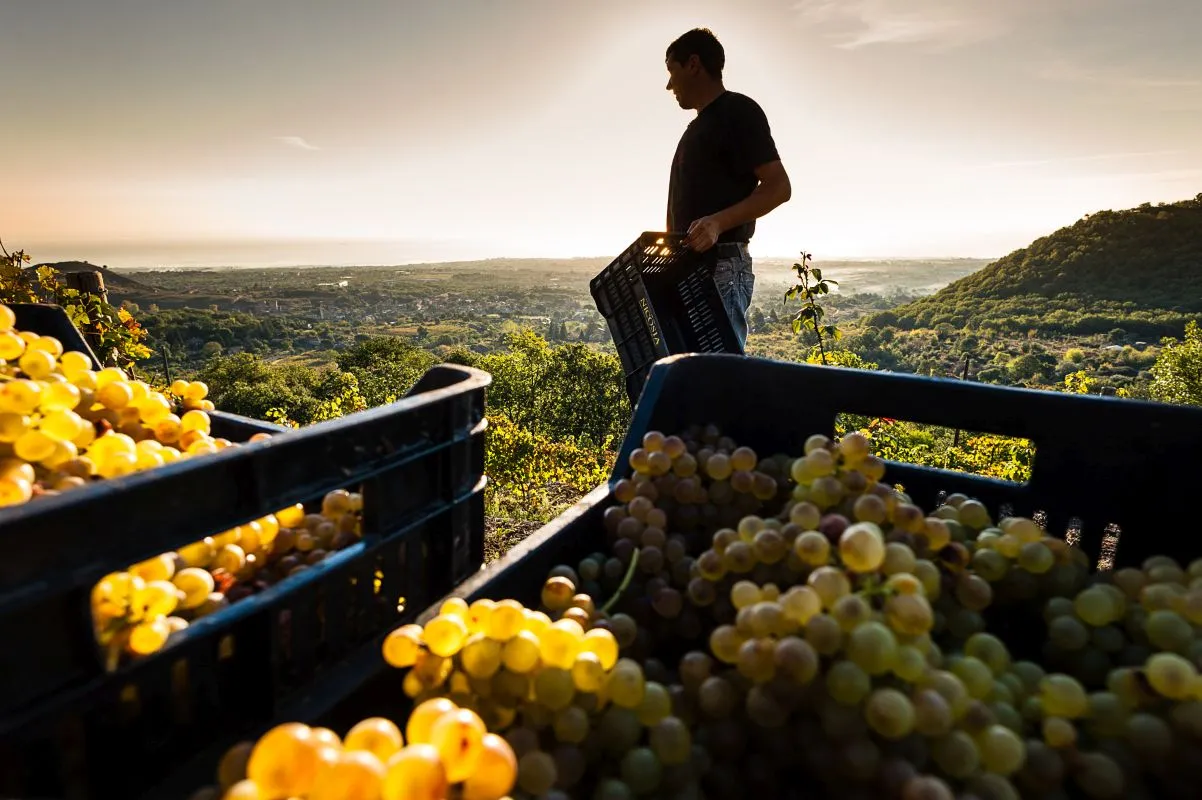
Brazil also welcomes top-tier wines from its neighbors. In 2018, Baron Philippe de Rothschild released Baronesa P in Chile.
Imported by World Wine, about 10% of its production heads to Brazil, shares Remi Coubronne, a key commercial director.
Global wine sales may plateau
While global wine sales may plateau, sparkling wines shine with an expected 7.5% yearly growth.
Champagne, in particular, might see a 24% rise, suggests IWSR. Segura Viudas, a boutique winery, produces 5 million bottles annually.
It has chosen three sparkling wines for Brazil: the prestigious Reserva Heredad, the fruity Brut Rosé, and the classic Brut Reserva.
Glória Collell, at the helm of Segura Viudas, emphasizes the unique characteristics of their wines, which blend a French style with enhanced acidity and creaminess.
The winery prioritizes sustainability, minimizing chemical use, and adopting eco-friendly practices.
Their dedication to environmental stewardship has been recognized with the Wineries for Climate Protection label, showcasing their commitment to preserving the environment.
This overview highlights the resilient and growing interest in premium wines within Brazil.
It reflects a broader trend of seeking quality, exclusivity, and sustainability in luxury consumption, even in fluctuating economies.
More: Brazil news in English, every day from The Rio Times.
This article was produced by The Rio Times’ automated newsroom system. How we use AI · Report an error
Read More from The Rio Times