Brazil’s Leap in Solar Technology: Tripling Organic Cell Efficiency
At the Federal University of Paraná (UFPR) in Curitiba’s south, a breakthrough in solar technology has emerged.
Researchers have developed a new solar cell that significantly boosts the efficiency of converting sunlight into electricity.
Their work triples the energy conversion efficiency of organic solar cells, known for their flexibility and carbon-based materials.
This development marks UFPR’s 100th patent and represents a significant improvement over traditional organic solar cells, enhancing their durability and efficiency.
The innovation lies in a specially printed film composed of four layers, triggering a chemical reaction that enhances stability and longevity.
This breakthrough could revolutionize solar energy usage, making it more efficient and sustainable.
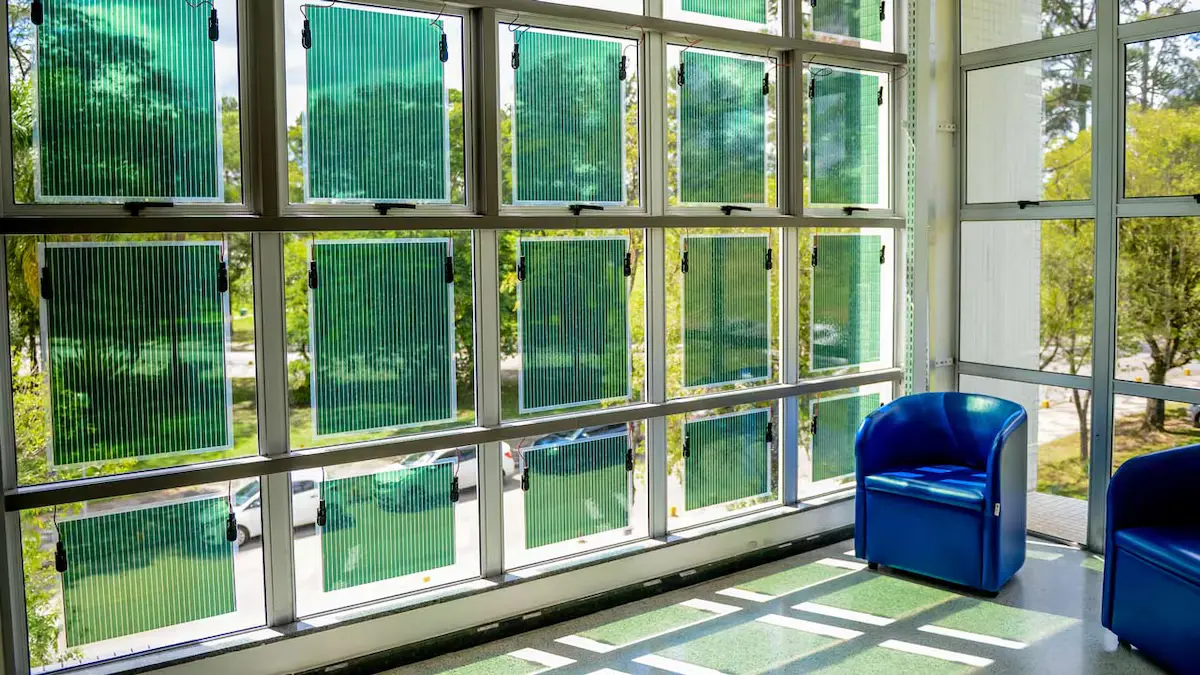
Unlike conventional solar energy production, which relies on silicon and high-energy processes emitting greenhouse gases, UFPR’s organic cells offer an eco-friendly alternative.
These cells are lightweight, versatile, and can be applied to almost any surface, promising a wide range of applications.
One practical use is already underway by Pepsico, which has equipped 366 trucks with organic photovoltaic panels from Sunew, the only commercial producer in the Americas.
This initiative aims to power truck batteries and significantly reduce greenhouse gas emissions.
Sunew’s operations highlight Brazil’s leadership in organic photovoltaic technology development.
As the demand for cleaner energy grows, such innovations are vital for reducing environmental impact and advancing sustainable energy solutions.
This breakthrough in solar technology underscores Brazil’s pivotal role in the renewable energy sector, positioning the country as a leader in the global transition towards more sustainable energy sources.
This article was drafted with automated assistance and reviewed before publication. How we use AI · Report an error
Read More from The Rio Times