Brazil Stands Firm: COP30 Will Stay in Belém Despite Rising Costs and Global Pressure
Brazil’s government faces major criticism and big logistical problems but insists that the global climate summit, COP30, will remain in Belém, a city deep in the Amazon.
The Ministry of Foreign Affairs and the summit organizers repeat that the event will not move, no matter how loud the international push gets. Belém, a city of 1.5 million on the Amazon River, does not have enough hotels or space for tens of thousands of guests.
Official data shows hotel owners have raised prices by up to 15 times the usual rates—far above what happened in previous COP cities, where prices jumped at most threefold.
Basic rooms, which usually might cost under $100, are now advertised for up to $4,400 per night. Even the cheapest options go for $220 per night, higher than the $146 daily limit the United Nations supports for the poorest country’s delegates.
Governments from poorer nations and United Nations officials have told Brazil these prices are unfair and risk excluding those who most need a seat at the table.
They want Brazil to move at least part of the summit to another, bigger city with more rooms and better infrastructure. But Brazil’s leadership refuses, saying the Amazon should lead the conversation about the world’s climate future.
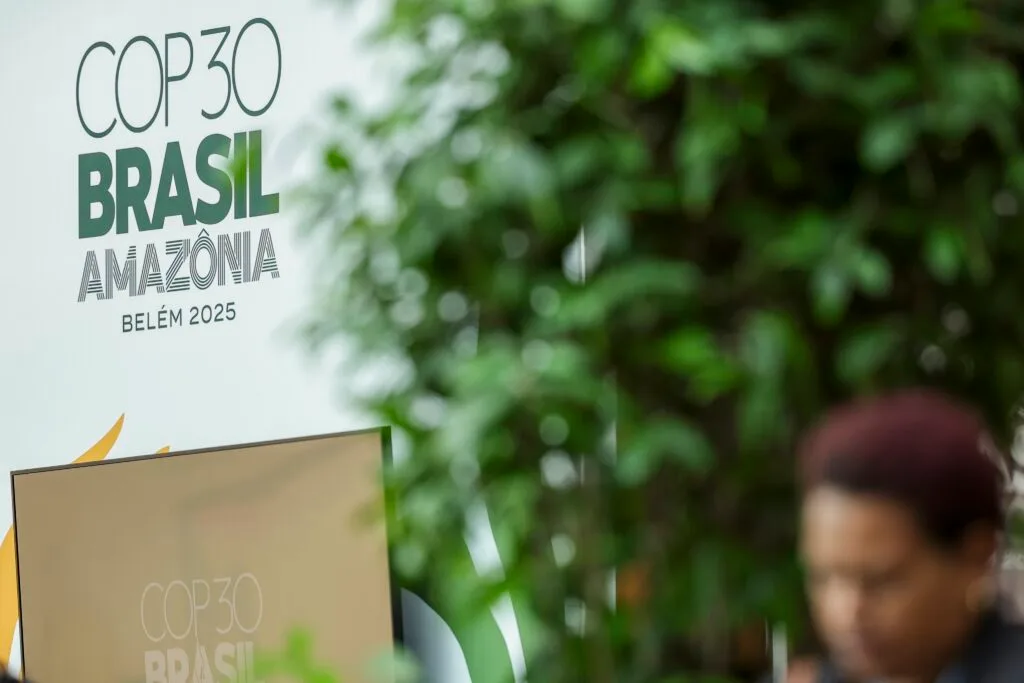
To tackle some of the shortage, Brazil has opened an official booking website, arranged cruise ships for extra rooms, and plans to use public buildings, military sites, and schools for housing guests.
Brazil’s COP30 Gamble
The government, along with the state of Pará, has confirmed over $722 million in new spending to expand the city’s transport, clean up its public spaces, and improve sanitation.
Local leaders argue this investment will help not just for COP30 but for years to come, bringing new jobs and opportunities to Belém.
Still, problems remain. Belém’s airport is small, restaurants and food services will struggle to feed visitors, and long travel times across rivers may make it hard for people to meet and negotiate.
Behind all these numbers sits a deeper story: for Brazil, hosting COP30 is about putting the Amazon front and center. The government wants to show that environmental and economic interests can go hand in hand.
It also aims to demonstrate that people living in the world’s most crucial forest should benefit from global attention—not just suffer its consequences.
By keeping the summit in Belém, Brazil asks wealthy countries, businesses, and climate activists to see the real Amazon and face the real costs and complexities of fighting climate change.
This fight over where to hold COP30 isn’t just about hotels and transport. It is about who gets heard, who can afford to participate, and what the world values when it talks about saving the planet.
Brazil’s gamble could leave a lasting mark on both the Amazon and on global climate action. Whether this showcase works, or simply exposes yet another divide, remains to be seen.
More: Brazil news in English, every day from The Rio Times.
This article was drafted with automated assistance and reviewed before publication. How we use AI · Report an error · Editorial responsibility: Matthias Camenzind, Editor-in-Chief