
BRAZIL · ENERGY
Published Tuesday, 27 October, 8:00 a.m. Eastern Time (ET) · Source: Ministry of Planning and Budget
Key Facts
- —What happened Brazil will keep its diesel subsidy at R$2.12 a liter (about US$0.39) for one more month, the government said on Tuesday.
- —The bill Brazil’s Planning and Budget Ministry puts the cost near R$10.5 billion (about US$1.9 billion) a month, paid from extra oil income.
- —Why it matters Diesel is a core cost for trucking, which carries much of Brazil’s freight.
- —What to watch Whether the aid is extended again after a month, and whether Petrobras, the state oil company, raises its own diesel price.
- —Power Index Brazil ranks 1st of 14 in The Rio Times Latin America Power Index, with 75.0 points (October 2026 edition).
- —Prediction markets Polymarket, a prediction-market platform, gives 39.0% to US crude (the WTI benchmark) touching US$105 in October and 10.5% to US$110 (27 October, 7:46 a.m. ET).
Live tonight
Brazil’s runoff, live
The official TSE count for Flávio Bolsonaro and Lula, updated every minute (voting closed at 7 p.m. Brasília, 6 p.m. ET).
Brazil runoff polls · Polymarket and Kalshi odds · When results come · Brazil election poll data (CSV)
Prediction markets · who wins the runoff
Implied chance of winning Brazil’s presidency on 25 October, from traders’ prices.
Polymarket
Flávio Bolsonaro – · Lula – (US$249 million traded)
Kalshi (regulated in the US by the CFTC)
Flávio Bolsonaro 0.4% · Lula 99.6%
As of 25 October, 11:40 pm ET (03:40 Lisbon), updated every 20 minutes. Prices are bets, not polls, and can move fast.
Why we show this: prediction markets turn real-money bets into a live probability that moves within minutes of the news, which is why investors, campaigns and newsrooms in the United States now follow them closely. We show them next to polls and official results, never instead of them.
Brazil has decided to keep paying for cheaper diesel, and an oil windfall is footing the bill. On Tuesday, 27 October, the Ministry of Planning and Budget, the federal department that sets the budget, said the government will renew its diesel subsidy of R$2.12 per liter (about US$0.39) for one more month.
The ministry says the cost, about R$10.5 billion (about US$1.9 billion) a month, will be covered by extra income the state earns when oil prices are high. That keeps a major Brazil economy cost-of-living tool in place, two days after President Luiz Inácio Lula da Silva won re-election.
What Brazil Just Decided
A subsidy, or subvenção in Portuguese, is a state payment that keeps a fuel cheaper than the market would set. The R$2.12 a liter is the level already in force, and the ministry says the expected fiscal impact of the renewal is the same as today.
The extension runs for one month. Press reports of the announcement do not name the legal order that carries it, so we cannot yet say the exact end date.
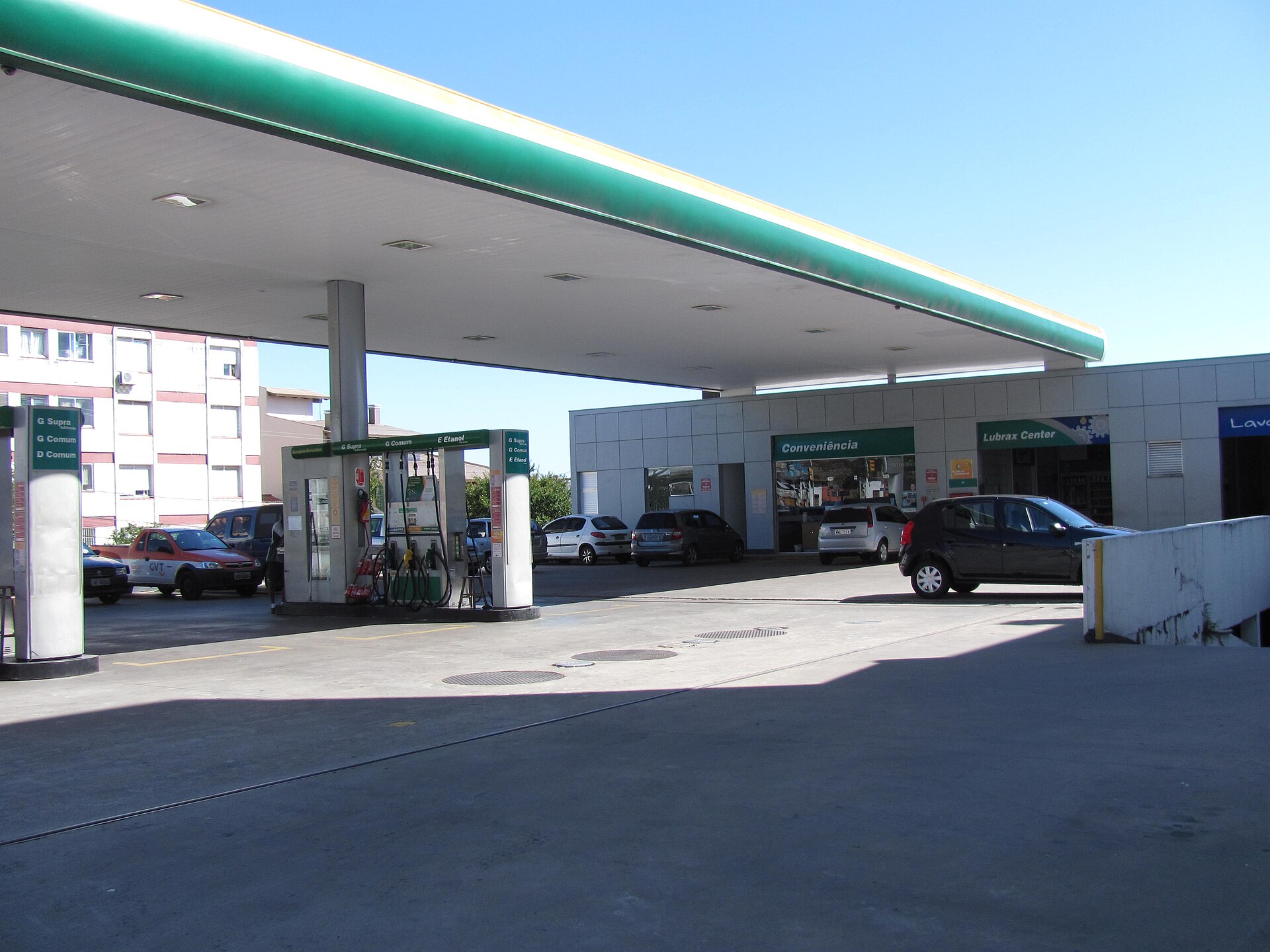
Why the Aid Survived the Election
Fuel is the price every Brazilian sees. Early this month, right after the first round of the presidential election, the government widened the diesel and ethanol subsidies and kept tax relief on pure ethanol.
The government also zeroed federal taxes on gasoline, worth R$0.89 per liter (about US$0.16). Officials said these measures were paid for with extra federal income from high oil prices.
The Bill and the Oil Windfall
The arithmetic is simple. Oil above budget assumptions swells state revenue, and the government spends part of it holding down fuel.
The risk is the reverse: if oil falls, the windfall shrinks while the subsidy bill stays. Prediction traders still see a meaningful chance of US crude touching US$105 this month.
What It Means for US Readers
For holders of Petrobras, Brazil’s state-controlled oil company, whose shares trade in New York as ADRs (American depositary receipts, shares of a foreign company), the renewal keeps the fuel-support policy unchanged for another month.
The real is also under strain. The dollar closed at about 5.40 reais on Monday, 26 October, from just under 5.00 on Friday, and a weaker real raises the cost of anything priced in dollars, including imported fuel (rates from RT market data, a market-data provider).
A later end to the aid would be the moment to watch.
In Plain English
- Subsidy (subvenção): a payment from the state that holds a price below the market level.
- Ministry of Planning and Budget: the federal department that sets the budget and announced the renewal.
- Petrobras: Brazil’s state-controlled oil company.
- ADR: a share of a foreign company that trades on a US exchange.
What Prediction Markets Say
On Polymarket, bettors gave 39.0% to US crude (WTI) touching US$105 in October and 10.5% to US$110 (27 October, 7:46 a.m. ET). The event has traded about US$4.8 million, and it has no Brazil outcome, so it is context, not a forecast of the subsidy.
Why we show this: prediction markets turn real-money bets into a live probability that moves within minutes of the news, which is why investors, campaigns and newsrooms in the United States now follow them closely. We show them next to polls and official results, never instead of them.
What Is Not Known
We do not know the legal order behind the renewal, its exact start and end dates, or whether it will be extended again. We also do not know whether Petrobras will change its own diesel price.
The ministry has not said what happens to the other fuel measures announced earlier this month. We will update when the official text appears.
Frequently Asked Questions
What did Brazil decide on diesel?
The government will renew its R$2.12 per liter (about US$0.39) diesel subsidy for one more month. The Ministry of Planning and Budget announced it on 27 October.
How much will it cost?
The ministry estimates about R$10.5 billion (about US$1.9 billion) a month. It says extra oil income will cover it.
Sources: Ministry of Planning and Budget announcement, 27 October 2026; Polymarket, 27 October 2026, 7:46 a.m. ET; RT market data exchange-rate data, 26 October 2026 (5.40 reais per US$ used for conversions). More on this story in our earlier report Brazil Diesel Aid Set to Lapse 26 October and the Brazil hub.
This article was produced by The Rio Times’ automated newsroom system. How we use AI · Report an error · Editorial responsibility: Matthias Camenzind, Editor-in-Chief