An Australian Miner Just Secured US$120 Million to Dig Rare Earths in Minas Gerais

Brazil · Mining
Key Facts
- —What happened Sydney-listed Viridis Mining secured US$120 million to build the Colossus rare earths mine in Minas Gerais.
- —How big a jump The financing covers construction costs of US$449 million for a 25-year ion clay deposit.
- —The real story Most funding comes from Brazilian institutions, easing potential foreign-ownership rules in Brasília.
- —The catch Only US$43 million settles in August; the rest awaits Australian approvals and shareholder votes.
- —Where it is growing Colossus sits near Meteoric Resources’ Caldeira project in Brazil’s rare earths hotspot.
- —What comes next Financial close is targeted for late 2025, with first production expected in 2028.
A New York investment manager is putting US$75 million into a clay deposit near Poços de Caldas — and most of the rest of the money is Brazilian.
The Colossus rare earths project in Minas Gerais now has the money to stop being a study and start being a mine. Viridis Mining and Minerals, listed in Sydney, said on 20 August that it has secured up to US$120 million (about A$170 million) in equity commitments — and published its definitive feasibility study the same day. The single largest cheque comes from OneIM, a global alternative investment manager with offices in Abu Dhabi, London, New York and Tokyo, and the second largest comes from Brazil.
Where the money comes from
OneIM has committed up to US$75 million in two tranches. The first, worth about A$61.3 million (roughly US$43 million), buys 16.18 million Viridis shares at A$3.79 each and gives the fund a 9.9% holding. It settles on 27 August and the shares are expected to trade from 28 August.
The second tranche, around A$44.8 million (roughly US$32 million), is conditional. It needs approval from Australia’s Foreign Investment Review Board and from Viridis shareholders, which means it will not land quickly.
Alongside that, existing backers ORE Investments and Régia Capital have accelerated US$5 million under an earlier agreement, with US$20 million still available under the same arrangement. A further US$40 million comes from a group of strategic and institutional investors that Viridis describes as predominantly Brazilian.
Add roughly US$14 million already on the balance sheet and the company says it has identified about US$154 million of equity, against a target of roughly US$135 million under a financing structure that assumes about 70% senior debt and 30% equity. Export credit agencies in Australia, France and Canada have signalled non-binding interest in the debt side.
What Colossus actually is
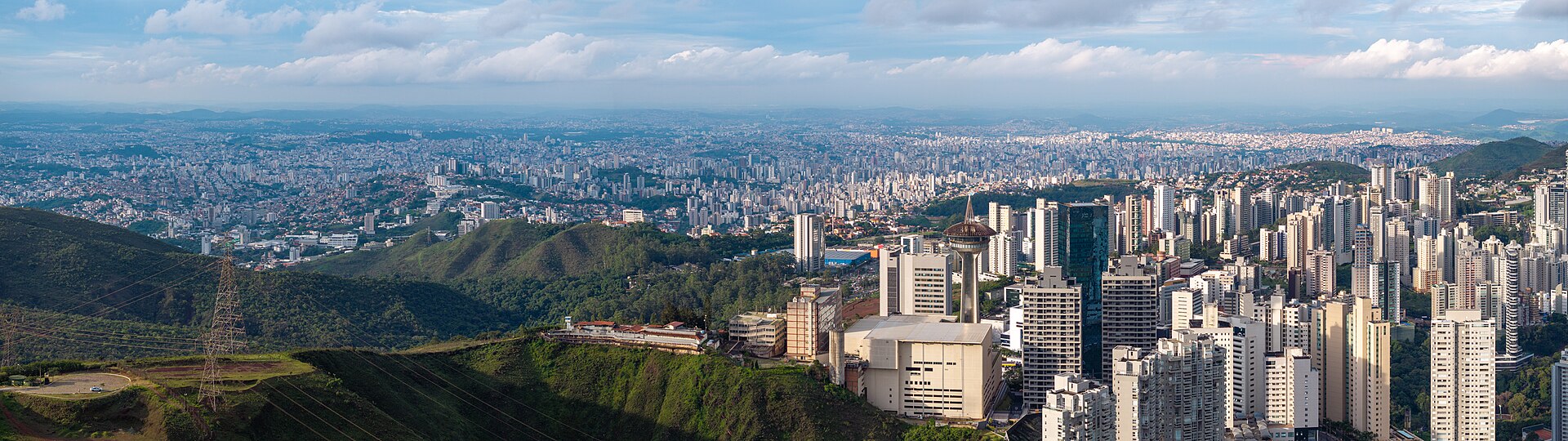
Colossus sits at Poços de Caldas in Minas Gerais, in the same corner of Brazil that has become the centre of the country’s rare earths story. It is an ionic clay deposit, which matters: ionic clays can be leached with relatively mild chemistry rather than crushed and roasted, which makes them cheaper to process and less environmentally aggressive than hard-rock rare earths. The feasibility study published on 20 August puts pre-production capital at US$449 million, first production in the second half of 2028 and a 25-year mine life, with financial close targeted for the fourth quarter of this year.
That is the same geology behind Meteoric Resources’ Caldeira project nearby, which signed a partnership with South Korea’s POSCO in July. Minas Gerais now has two Australian-listed companies advancing clay-hosted rare earths within a short drive of each other, and both are being courted by buyers who want an alternative to Chinese supply.
The placement price tells you how the market feels. A$3.79 was a 10% discount to the A$4.21 close before the announcement — steep enough to get the deal done quickly, not so steep that it signals distress. The shares then rose 3.3% on the day to A$4.35.
The rules are still being written
The timing is not accidental. Brazil is midway through legislating a framework for critical and strategic minerals: bill PL 2.780/2024, which would create a national policy for the sector, has already cleared the Chamber of Deputies and now sits in the Senate awaiting a floor date, with complementary tax legislation moving separately.
Nobody yet knows exactly what conditions that framework will place on foreign ownership. Existing law already restricts foreign ownership of rural land, a constraint the Supreme Court has reaffirmed, and mining companies structure around it routinely. The open question is whether the new rules will add conditions on processing location, offtake or state participation.
Which is one reading of why so much of this raise is Brazilian money. A capital structure with substantial domestic institutional ownership is an easier thing to defend in Brasília than one that is entirely foreign.
Why the Colossus rare earths project matters here
Rare earths are the metals inside electric motors, wind turbines and guided weapons, and China refines the overwhelming majority of them. Every government that has looked at that fact since 2020 has concluded it needs another source, and Brazil has the geology.
For Minas Gerais, the practical question is whether any of this becomes a processing industry or stays an extraction industry. Shipping concentrate to be separated somewhere else creates jobs at the pit and very little else. Viridis has an executed joint venture with Ionic Rare Earths, called Viridion, to separate, refine and recycle rare earths inside Brazil — which is the answer the state wants, provided it gets built.
For anyone invested in Brazilian mining, the signal is that international capital is now willing to fund construction here rather than just exploration. That is a meaningful step, and it has taken five years to arrive.
More: Brazil news, every day from The Rio Times.
Frequently Asked Questions
How much money has the Colossus rare earths project raised?
Up to US$120 million (about A$170 million) in equity commitments, made up of US$75 million from OneIM, US$5 million accelerated from ORE Investments and Régia Capital, and about US$40 million from mostly Brazilian institutions. These are commitments; only the first tranche settles in August.
Where is Colossus?
At Poços de Caldas in Minas Gerais, Brazil. It is an ionic clay rare earths deposit, the same geological type as the nearby Caldeira project.
Is all the money confirmed?
No. OneIM’s second tranche of about A$44.8 million still needs Australian foreign investment approval and a Viridis shareholder vote. The first tranche of A$61.3 million settles on 27 August 2026.
Connected Coverage
Brazil Rare Earths Draw Korea’s POSCO Into the Caldeira Project
Sources: Australian Resources & Investment — Brazil rare earths coverage; ASX — Viridis Mining and Minerals announcements; RT — VMM.AX daily close
This article was drafted with automated assistance and reviewed before publication. How we use AI · Report an error · Editorial responsibility: Matthias Camenzind, Editor-in-Chief