Brazil Sets New Rules for Rare Earths and Critical Minerals
BRAZIL · MINING
Key Facts
- —What happened: Brazil’s Congress approved a new policy setting national rules for rare earths, lithium and nickel.
- —How big: The policy creates a R$2 billion (about US$390 million) fund plus R$5 billion (about US$976 million) in tax credits.
- —What it means: Companies that refine these minerals inside Brazil will now get tax rewards instead of exporting raw ore.
- —The catch: Some mining executives worry a new screening council for foreign deals could slow big projects down.
- —What comes next: China had eased its own rare earth export limits only partly before this Brazilian policy arrived.
Brazil’s new policy on rare earths, lithium and nickel offers tax breaks for processing minerals at home.
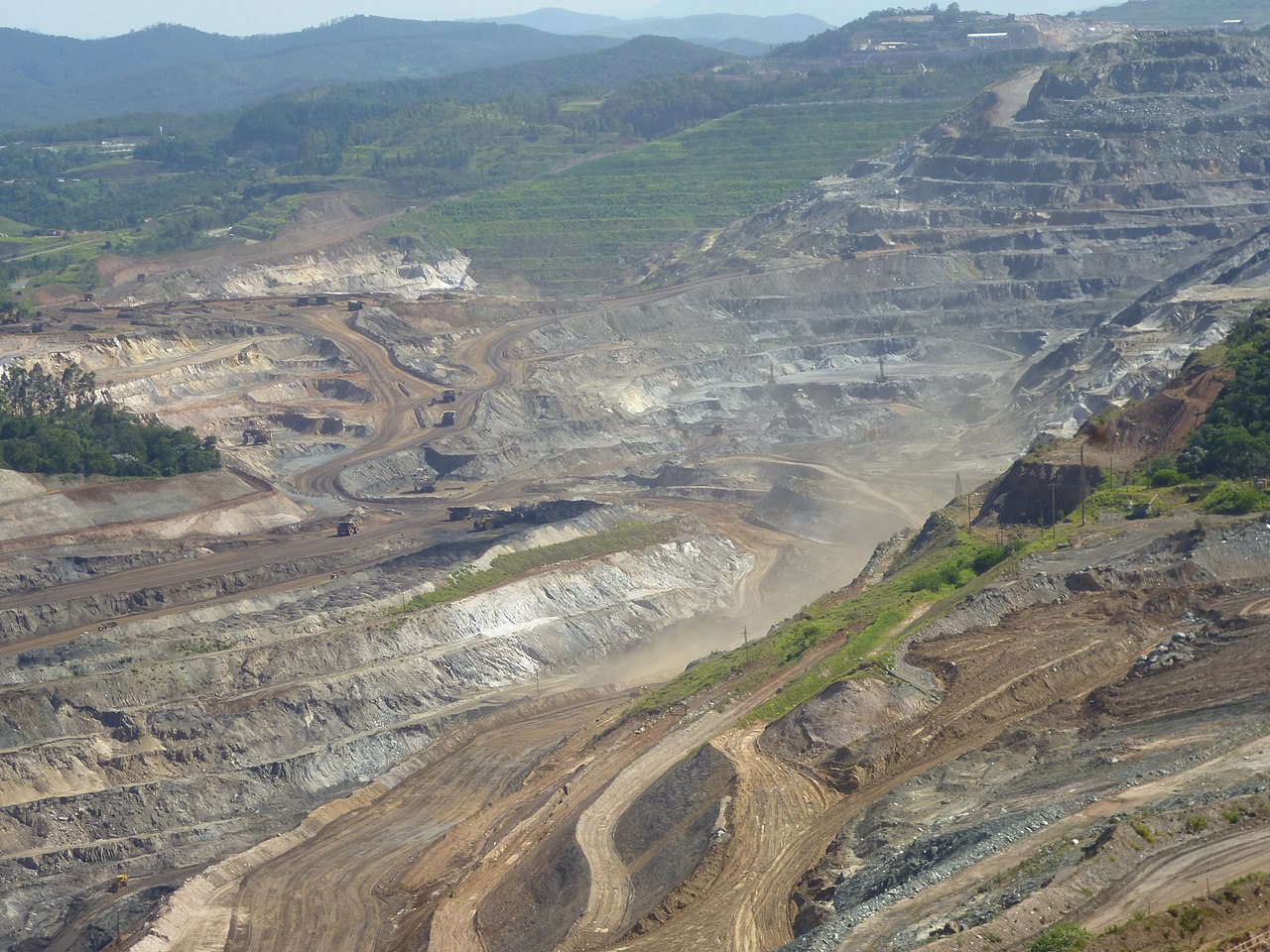
Brazil’s Congress has approved a sweeping new policy on rare earths and other critical minerals. The bill now heads to President Lula, who is expected to sign it into law soon.
The policy covers materials such as rare earths, lithium and nickel. Those minerals go into batteries, wind turbines and electric motors.
Why Brazil Wants to Refine at Home
China currently dominates the world’s supply of these minerals. Brazil holds the world’s second-largest rare earth reserves.
Terbium and dysprosium remain especially scarce outside China. Those two metals go into powerful magnets used in wind turbines and electric motors.
Lawmakers in the lower house passed the bill back in May. The Senate approved it earlier this week, sending it to Lula for his signature.
The new rules offer tax breaks for processing minerals inside Brazil. They also create a national council for critical minerals to screen risky deals from foreign investors.
A R$2 billion (about US$390 million) fund will help finance new mining projects. Separate tax credits total R$5 billion (about US$976 million) over five years.
Those credits are capped at R$1 billion (about US$195 million) a year. They reward companies that process minerals such as lithium and rare earths inside Brazil.
The credits target minerals used in batteries, vehicles and defense equipment.
A Landmark Sale and a Tight Deadline
This week, Brazilian mining company Serra Verde completed a US$2.8 billion sale to USA Rare Earth. The deal signals rising foreign interest in Brazil’s mineral wealth.
Serra Verde operates one of Brazil’s largest rare earth mines in Goiás state.
USA Rare Earth says the merger builds a full rare earth supply chain outside Asia. Brazilian regulators cleared the deal before it closed this week.
China restricted rare earth exports in 2025. It only eased those limits partly with a reprieve ending November 10, 2026.
Brazil’s new policy arrived just weeks before that deadline. Some mining executives worry the new council could slow projects down with extra paperwork, Mining.com reported.
Others say clear rules will finally attract more investment. Environmental groups warn the rules could speed up mining without enough protection for ecosystems and nearby communities, according to Carbon Pulse.
President Lula says Brazil welcomes mining investment from many countries, not only the United States. Lula has said Brazil has “no preference” among investors, according to the South China Morning Post.
He has pointed to China as one welcome partner. Brazil also signed a separate critical minerals cooperation deal with India earlier this year.
That deal aims to help India reduce its reliance on Chinese mineral supplies.
More: Brazil news in English, every day from The Rio Times.
Frequently Asked Questions
What counts as a critical mineral under Brazil’s new policy?
The policy lists materials such as rare earths, lithium and nickel. These minerals are used in batteries, wind turbines and electric motors.
How much money does the new policy commit to mining?
It creates a R$2 billion (about US$390 million) fund for new projects. It also offers R$5 billion (about US$976 million) in tax credits over five years.
Why does the timing of this policy matter?
China only partly eased its rare earth export limits with that reprieve ending November 10, 2026. Brazil’s policy arrived weeks before that deadline, as it seeks new mineral supply partners.
Sources: Bloomberg, Mining.com, Mongabay, CNBC, South China Morning Post, Carbon Pulse, The Rio Times Online.
This article was produced by The Rio Times’ automated newsroom system. How we use AI · Report an error
Read More from The Rio Times