Energy: Brazil
Brazil’s federal government now owns a much bigger slice of the oil pumped from its deep-sea fields. The state company that sells that oil, Pré-Sal Petróleo S.A. (PPSA), said on Wednesday 18 November 2026 that the federal share reached 291,000 barrels a day in September.
That is 67% more than the 174,000 barrels a day PPSA reported for September 2025. PPSA holds its next spot auction of government oil on Wednesday 25 November 2026.
Key Facts
- Volume. The federal share averaged 291,000 barrels a day in September, up 67.2% in a year.
- Money. PPSA has collected R$76 billion (about US$13.1 billion) for the government since 2013, through September.
- Mero. Mero, a pre-salt oil field, supplies 69% of the government’s share from production-sharing contracts.
- Next. PPSA’s chief executive expects the share to reach 400,000 barrels a day in coming months.
- Prediction markets. Polymarket (real-money bets) gives 56.5% odds US crude falls to US$80 in November (18 November, 10:17 ET).
The government’s cut of Brazil’s deep-sea oil has grown fast, and a state seller is about to auction more of it.
What Pre-Salt and Production Sharing Mean
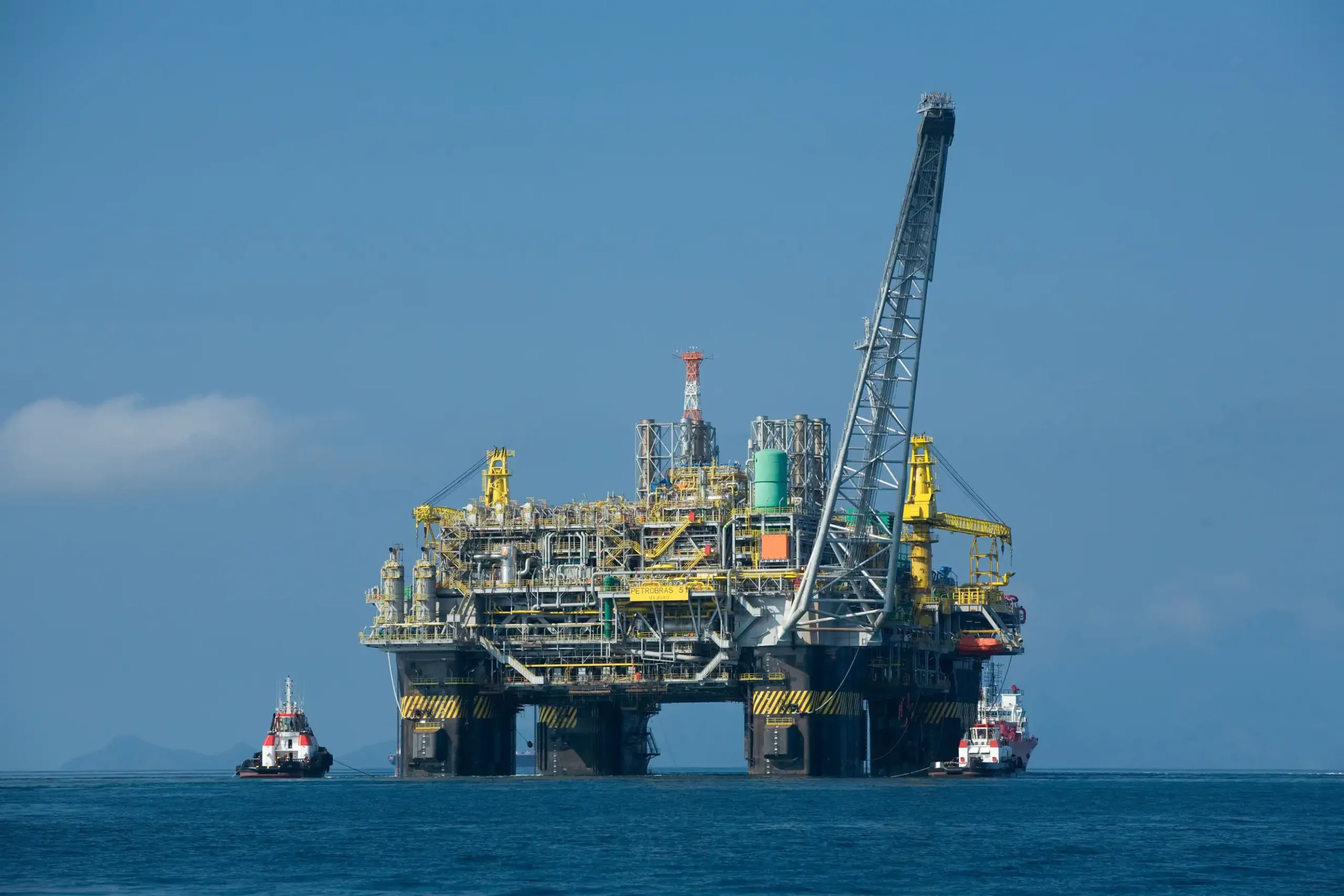
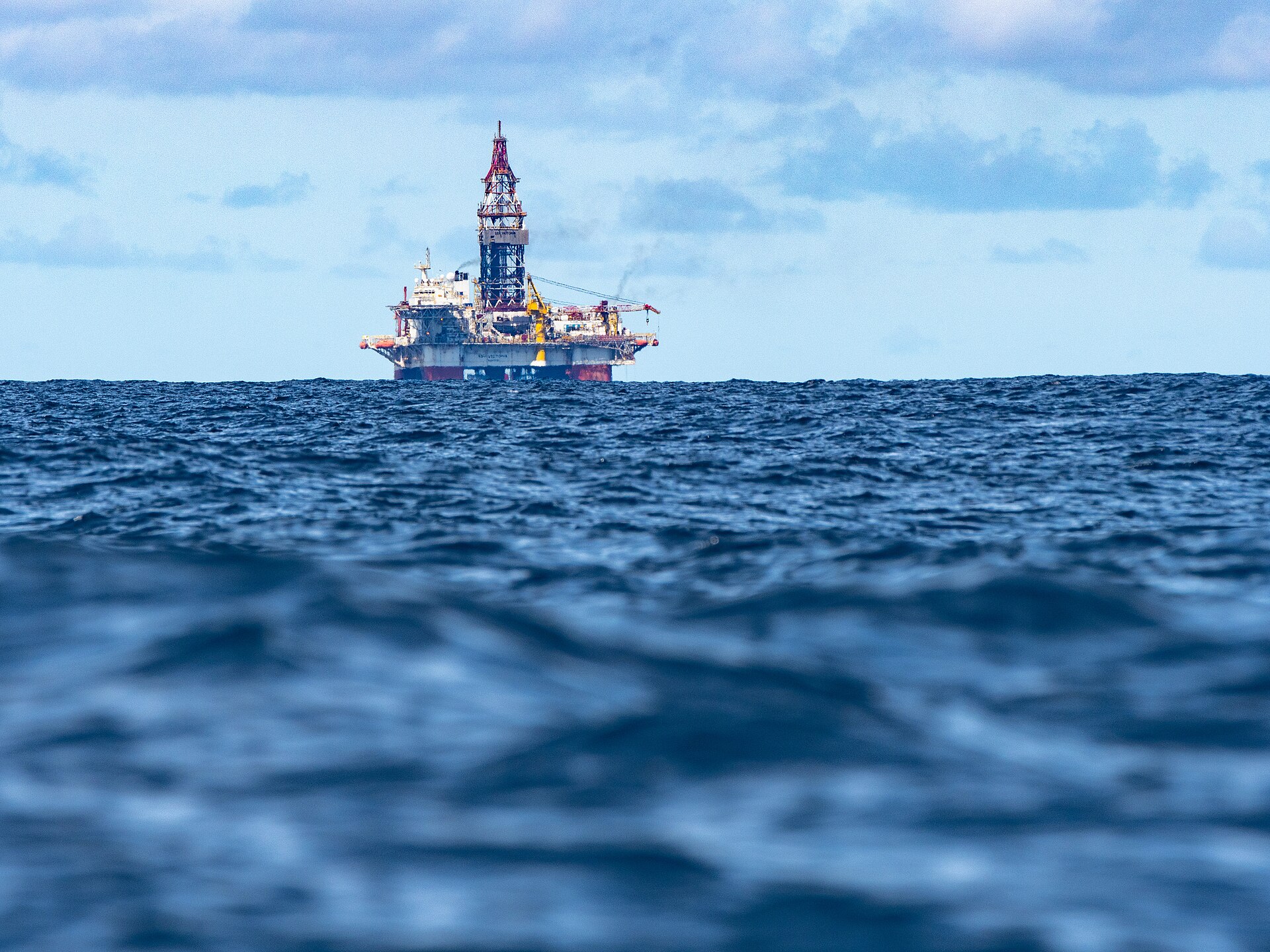
Pre-salt oil lies in reservoirs under the Atlantic, beneath a thick salt layer, off Brazil’s south-east coast. Most newer pre-salt fields run under production sharing, explained next.
Under production sharing, the oil companies pay for the whole project and are repaid with “cost oil”. The remaining “profit oil” is split between the companies and the federal government, which receives the share it offered at auction.
PPSA manages the government’s side of these contracts and sells its oil. The state-owned company, linked to the Ministry of Mines and Energy, was created by decree in August 2013.
Big Picture: 29 Contracts Becoming 36
PPSA now manages 29 production-sharing contracts, according to its own 12 November 2026 release. Seven blocks from the fourth Permanent Offer, a round of auctions for oil areas, lift that to 36 from 2027.
The federal share was 55.5 million barrels in all of 2025, almost double the 27.9 million of 2024, PPSA said on 20 February 2026. Since 2013 PPSA has collected R$76 billion (about US$13.1 billion) for the government, its 12 November release says.
PPSA credits two floating production vessels, one at Mero and one at Búzios, two oil fields, for the 2025 jump. Our report on Petrobras lifting pre-salt output past 4 million barrels a day covers the field side.
Why the Government’s Share Jumped
Total oil from production-sharing contracts averaged 1.95 million barrels a day in September 2026, up from 1.43 million a year earlier. That is a 36% rise, so the federal share grew almost twice as fast as total output.
The government’s share under those contracts alone rose from 157,210 barrels a day to 261,000, or 66%. A further 30,000 barrels a day came from four agreements for fields that straddle state and private blocks, up from 16,830.
Mero alone delivered 180,720 barrels a day, or 69% of the government’s 261,000 from production-sharing contracts, PPSA said on 18 November. The other contracts supplied the remaining 31%.
Why It Matters
PPSA sells the government’s barrels at auction. It collected R$32.8 billion (about US$5.7 billion at 5.7913 reais per dollar, the 18 November rate from RT, a market-data provider) from those auctions between January and October 2026.
Its 12 November release puts the full-year estimate at about R$45 billion (US$7.8 billion), a record. On Thursday 12 November 2026, Prio, a Brazilian independent oil producer, and ExxonMobil, the US major, won cargoes from the Búzios field.
The US Oil Fund, a US-listed fund that tracks American crude, fell 10.6% between 2 and 17 November, from US$156.87 to US$140.24, RT data show. Petrobras, Brazil’s state-controlled oil major, closed at R$43.98 (US$7.59) on 17 November.
What Prediction Markets Say
Polymarket, an online market where traders bet real money, lists a US crude contract for November with US$2.87 million traded as of 18 November 2026, 10:17 ET. Traders give 56.5% odds that US crude falls to US$80 this month, and 4.4% for US$70.
The same market gives 32.5% odds that crude rises to US$90 in November and 6% for US$100. A fall to US$75 stands at 17.5%.
Why we show this: prediction markets turn real-money bets into a live probability that moves within minutes of the news, which is why investors, campaigns and newsrooms in the United States now follow them closely. We show them next to polls and official results, never instead of them.
What Is Not Known
The federal share was 313,000 barrels a day in August, so September was 7% lower. We have not found PPSA’s explanation for the fall.
The timing of the 400,000 barrels a day target is only “in the coming months”, in the words of PPSA’s chief executive, Luis Fernando Paroli. Revenue depends on oil prices as much as on volume, and no one can fix those in advance.
What to Watch
PPSA holds its 11th spot auction on Wednesday 25 November 2026 at 10:30, offering, in a one-off sale of cargoes, about 2.5 million barrels from Búzios in three lots and 1 million barrels from Bacalhau, two oil fields off Brazil. All cargoes load in January 2027.
From 2027, seven blocks from the fourth Permanent Offer join PPSA’s portfolio. That lifts its contract count from 29 to 36, according to PPSA.
Frequently Asked Questions
What is pre-salt oil?
It is oil trapped under a thick salt layer beneath the Atlantic seabed off south-east Brazil. PPSA credits floating production vessels at the Mero and Búzios fields for the recent jump in output.
What is production sharing?
Oil companies pay all costs and are repaid in oil. The remaining profit oil is split between them and the government, which receives the share it offered at auction.
How much oil does the Brazilian government get?
In September 2026 the federal share was 291,000 barrels a day, according to PPSA’s monthly bulletin published on 18 November. That is up 67.2% on the 174,000 barrels a day of September 2025.
Why does this matter for US readers?
Brazil sells its government oil at spot auctions, and ExxonMobil, the US major, won Búzios cargoes on 12 November. Oil prices set the revenue, which PPSA estimates at about R$45 billion (US$7.8 billion) for 2026.
Sources
PPSA, September 2026 production, 18 Nov 2026 · PPSA, September 2025 production, 21 Nov 2025 · PPSA, 13 years, 12 Nov 2026 · PPSA, 11th spot auction, 17 Nov 2026 · PPSA, 2025 annual output, 20 Feb 2026 · PPSA, fiscal regimes, read 18 Nov 2026 · Polymarket, 18 Nov 2026 · Market data: RT, 18 Nov 2026 (USD/BRL 5.7913)
This article was produced by The Rio Times’ automated AI newsroom. Editorial responsibility: Matthias Camenzind, Publisher and Editor-in-Chief. The Rio Times also runs Ask Rio Times, which answers from 100,000+ of our own articles, the daily Latin America Power Map, and prediction-market odds on elections and markets.. How we use AI · Report an error
Brazil runoff, Sunday, October 25: Brazil runoff date. Latest: Brazil runoff polls, Flávio 51%, Lula 49%.