
BRAZIL · ECONOMY
Key Facts
- The country Brazil is a major crude oil exporter and the largest economy in South America.
- What happened Camex, Brazil’s foreign trade chamber, extended its 12% export tax on crude oil until 31 December 2026.
- The reason The finance ministry asked for it to keep domestic supply of diesel and other fuels normal.
- US link The same committee set up a working group on possible trade reciprocity with the United States.
- Prediction markets Polymarket, a prediction platform, gives 19% to Brazil’s top courts striking the tax by end-2027 (6 Nov).
- Power Index Brazil ranks 1st of 14 in The Rio Times Latin America Power Index, with 74.2 points (November 2026 edition).
Brazil will keep taxing its crude oil exports at 12% until the end of 2026, the government said on Friday 6 November 2026. The decision, taken on Thursday 5 November, is the latest renewal of a levy created in March after the war in the Middle East pushed fuel prices up.
For US readers, the tax touches oil flows to the United States and other buyers, and the same meeting also opened a path to reciprocity talks with Washington. Our Latin America oil markets report tracks prices across the region.
What the Committee Decided
The Executive Management Committee of Camex, Brazil’s Chamber of Foreign Trade, approved Resolution 977 at its 242nd regular meeting on Thursday 5 November 2026. The government announced the decision on Friday 6 November.
The previous 60-day extension started on 8 September and was due to run out this week. The new rule keeps the same 12% rate on crude oil until 31 December.
Why Brazil Keeps the Tax
The Ministry of Finance asked for the extension, saying the conflict in the Middle East continues and Brazil must keep its supply of fuels, mainly diesel, at normal levels. The oil institute IBP calls the tax ineffective, while the government points to supply.
The levy applies to crude oil that leaves Brazil, not to diesel or gasoline sold at the pump. The ministry’s summary does not describe a direct effect on pump prices.
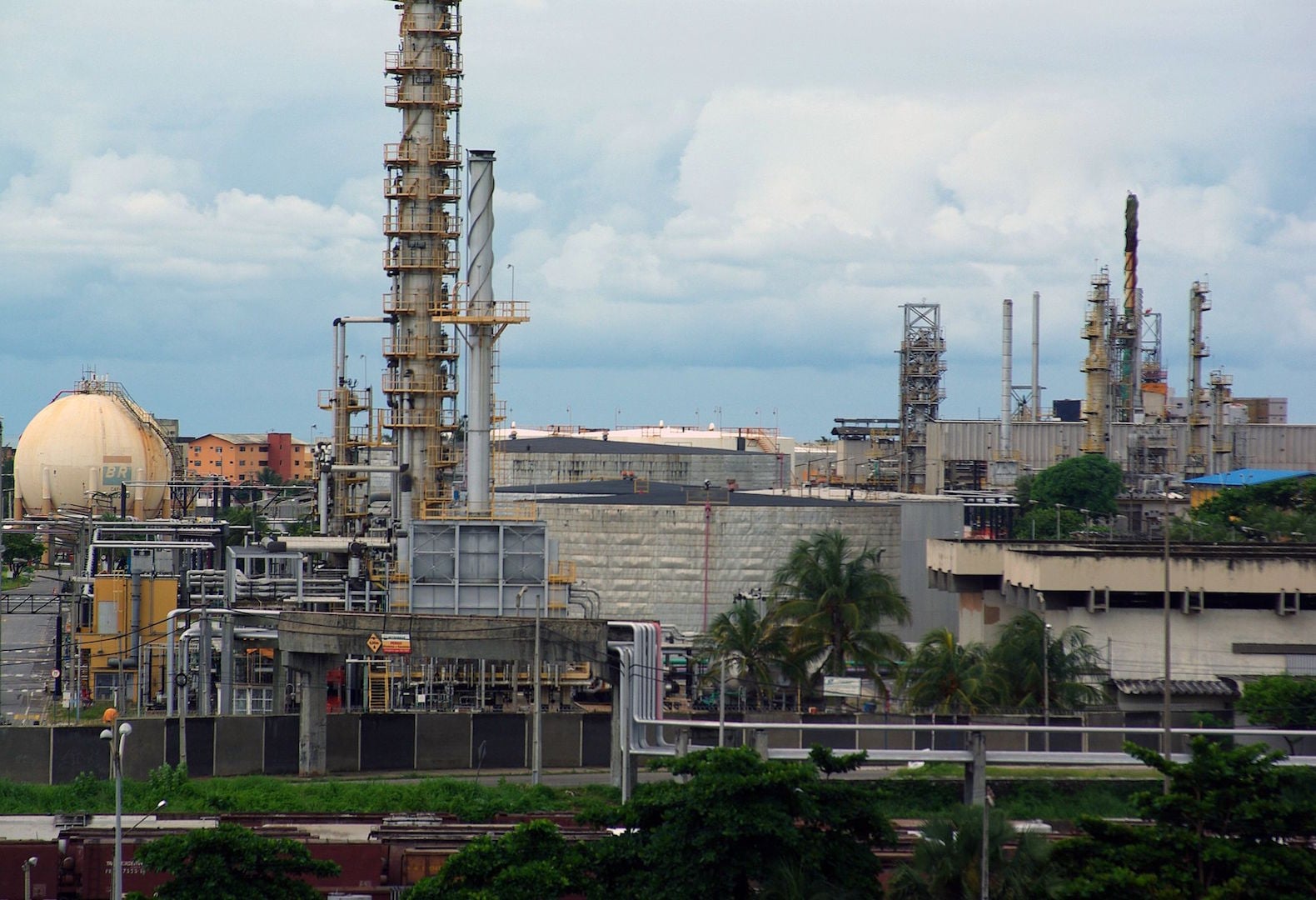
How the Tax Got Here
The government created the 12% tax on Thursday 12 March 2026 by provisional measure, a decree with the force of law that Congress must approve within a set time. The measure lapsed on 9 July without a vote, and since then the government has renewed the rate by trade committee resolution.
Courts have suspended collection twice, in April and August, and the charge came back after further rulings. Oil producers’ groups, including the Brazilian Institute of Oil, Gas and Biofuels, object to the tax.
The US Angle
At the same meeting the committee created a working group to study reciprocity with the United States. The US government announced tariffs of 25% on some Brazilian products in July, and Brazil opened a process in August that could lead to reciprocal measures.
What Prediction Markets Say
On Polymarket, a prediction platform where users bet real money, traders give 29% to Brazil’s top courts striking down the oil export tax by 30 June 2028 and 19% by 31 December 2027. They give 11% by 30 June 2027, as of 1:33 p.m. ET on 6 November, and about US$30,000 has been traded.
Why we show this: prediction markets turn real-money bets into a live probability that moves within minutes of the news, which is why investors, campaigns and newsrooms in the United States now follow them closely. We show them next to polls and official results, never instead of them.
What It Means for You
If you hold shares of Brazilian oil producers, or their ADRs (US-listed receipts), the export tax takes a slice of their foreign sales. A court defeat or a lower rate would raise their income, while a longer tax would not.
Travelers and drivers in Brazil should see no direct change at the pump from this decision. US exporters should watch the reciprocity group, because any step against US goods would need a public consultation first.
What Is Not Known
It is not known what the reciprocity group will propose or when it will report. Any measure it suggests must go through public consultation, and the final decision belongs to the strategic council of Camex.
It is also unclear whether the government will keep the tax after December. Court cases against the tax continue, and their outcome is open.
More: Brazil news in English, every day from The Rio Times.
Frequently Asked Questions
What Is Brazil’s Oil Export Tax?
It is a 12% tax on crude oil exported from Brazil, created on 12 March 2026. The government says it helps keep fuel supply at home.
How Long Does the Extension Last?
The committee extended the tax until 31 December 2026. The earlier extension was due to run out this week.
Does the Tax Change Fuel Prices at the Pump?
The tax applies to crude oil leaving Brazil, not to diesel or gasoline sold at stations. No direct pump effect has been described.
What Is the US Reciprocity Group?
It is a working group created by the foreign trade committee to study answers to US trade measures. Any proposal must go to public consultation.
Sources: Ministry of Development, Industry, Trade and Services (MDIC), Resolution 977 of the Executive Management Committee of Camex, 5 November 2026; Polymarket, Brazil oil export tax market, 6 November 2026.
This article was drafted with automated assistance and reviewed before publication. How we use AI · Report an error · Editorial responsibility: Matthias Camenzind, Editor-in-Chief
Brazil runoff, Sunday, October 25: Brazil runoff start time and results schedule. Latest: Brazil runoff polls, Flávio 51%, Lula 49%.