Brazil and Angola Cement Economic Ties with $1.5B Trade Surge and Strategic Deals
Brazilian President Luiz Inácio Lula da Silva and Angolan President João Lourenço solidified economic collaboration during a May 23 summit in Brasília, leveraging historical ties to unlock new trade pathways.
Bilateral trade reached $1.56 billion in 2024, with Angola supplying 94% of Brazil’s crude oil imports ($1.07 billion) and Brazil exporting machinery, sugar, and frozen meats ($492 million). From January to April 2025, trade hit $282.3 million, driven by a 28.6% spike in Brazilian exports.
The leaders prioritized infrastructure and energy partnerships, with Angola seeking private Brazilian investment for ports, roads, and power grids.
Brazil’s BNDES bank reinstated export credit lines, citing Angola’s track record of repaying debts five years early.
Embraer finalized a deal to supply three KC-390 military cargo planes to Angola, supported by BNDES financing, marking the African nation’s first acquisition of this model.
Petrobras and Angola’s Sonangol signed a memorandum to expand joint oil exploration in ultra-deepwater basins, targeting reserves like the 420-million-barrel Cameia-Golfinho field.
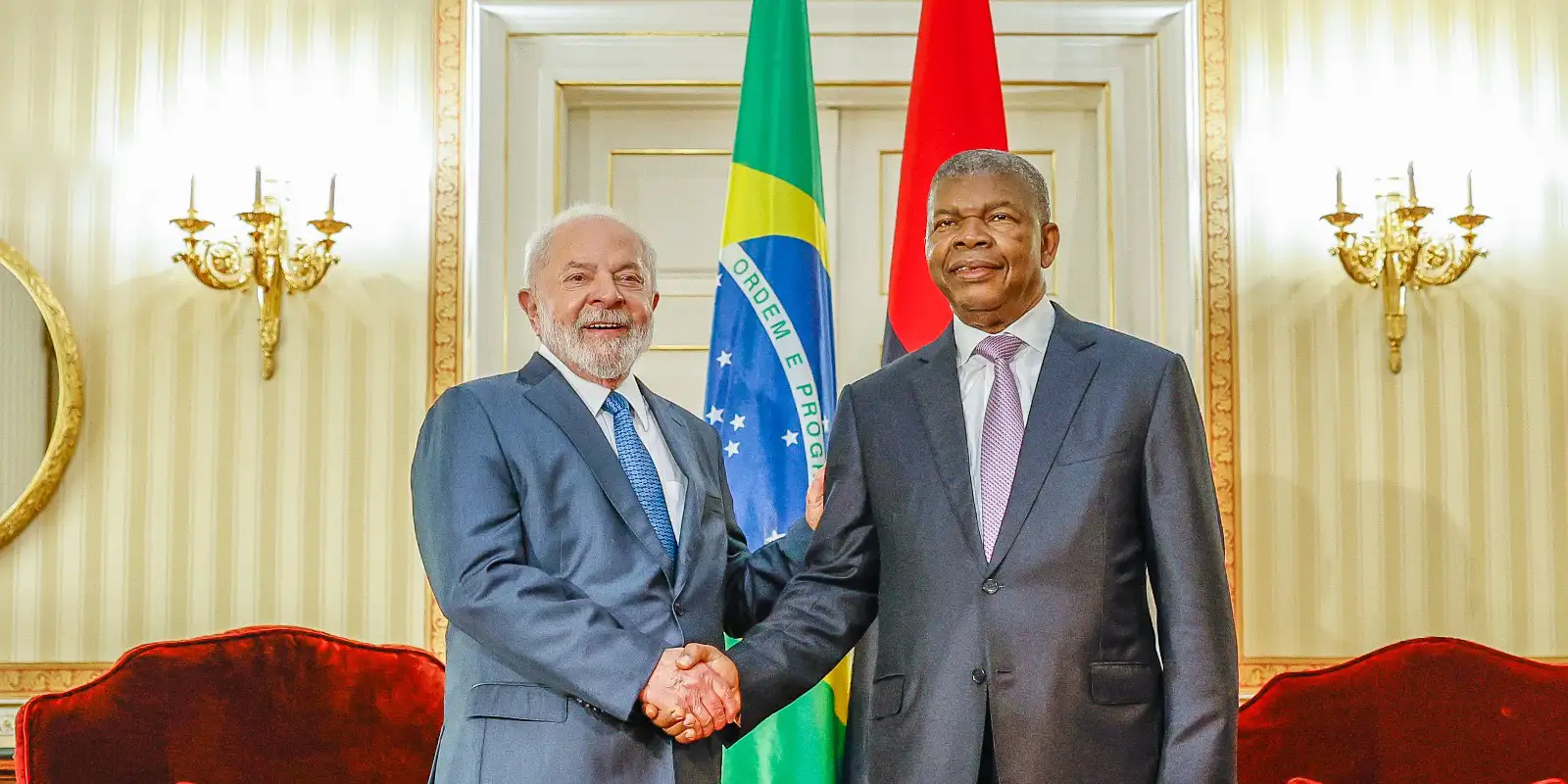
Brazil and Angola Cement Economic Ties with $1.5B Trade Surge and Strategic Deals
Agriculture emerged as a growth pillar, with Brazil’s Embrapa training 75 Angolan technicians in food storage and cost analysis.
A proposed bilateral treaty could allocate 500,000 hectares for Brazilian-led farming projects, boosting Angola’s food security.
“This partnership isn’t charity—it’s strategic investment,” stated Brazil’s Agriculture Minister Carlos Fávaro, noting Angola’s population is projected to double by 2050.
Security agreements between the countries’ police forces aim to combat cybercrime and drug trafficking, while a human rights pact focuses on disability inclusion and child welfare.
Historically linked by Portuguese colonialism and the transatlantic slave trade, Brazil hosts Africa’s largest expatriate community (25,000 Brazilians in Angola).
The nations co-founded the Community of Portuguese Language Countries, reinforcing diplomatic and cultural bonds.
Lula emphasized reversing Brazil’s reduced engagement with Africa under his predecessor, declaring, “Brazil is back.”
Lourenço echoed the sentiment, highlighting Angola’s need for “transformative projects, not temporary fixes.”
With plans to surpass their 2008 trade peak of $4 billion, both leaders framed the partnership as a blueprint for South-South cooperation.
More: Angola news in English, every day from The Rio Times.
This article was produced by The Rio Times’ automated newsroom system. How we use AI · Report an error · Editorial responsibility: Matthias Camenzind, Editor-in-Chief
Part of our ongoing coverage
Africa: The New Scramble — the great-power contest over the continent.
Brazil runoff, Sunday, October 25: When is the Brazil runoff election. Latest: Brazil runoff polls, Flávio 51%, Lula 49%.